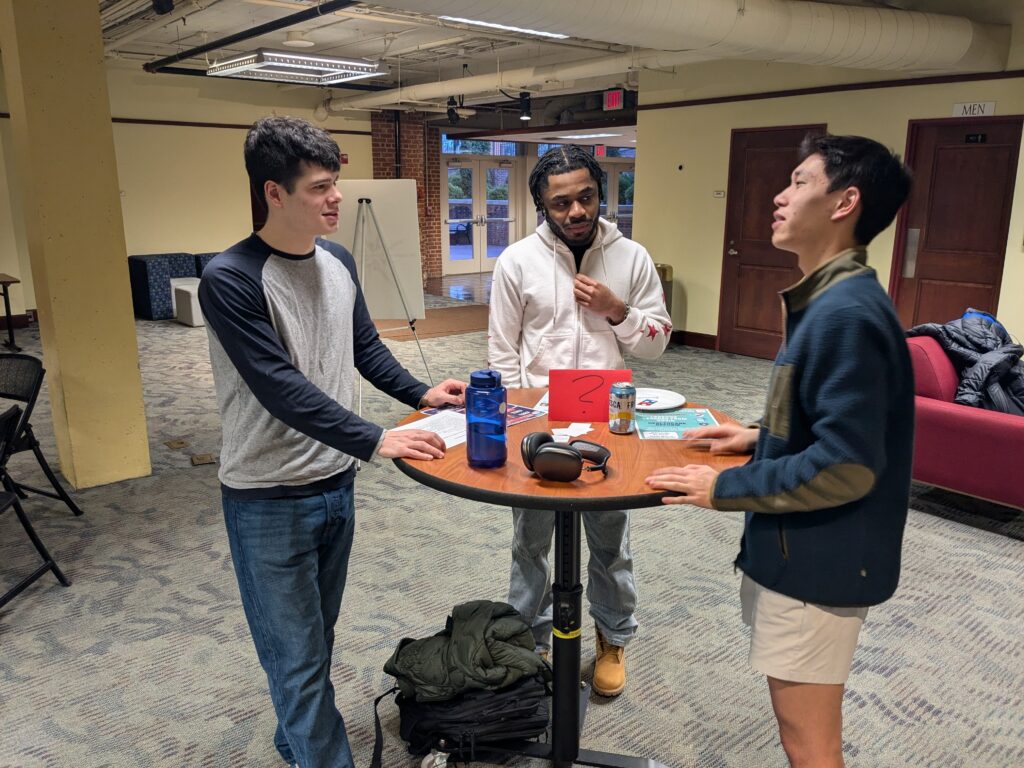
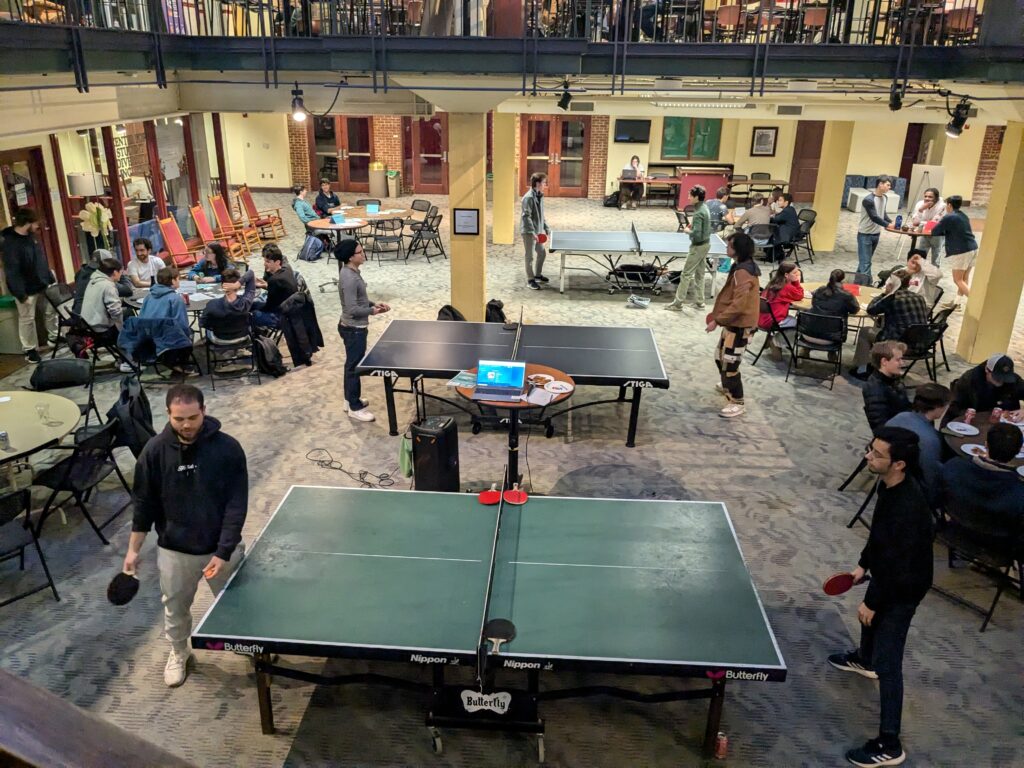
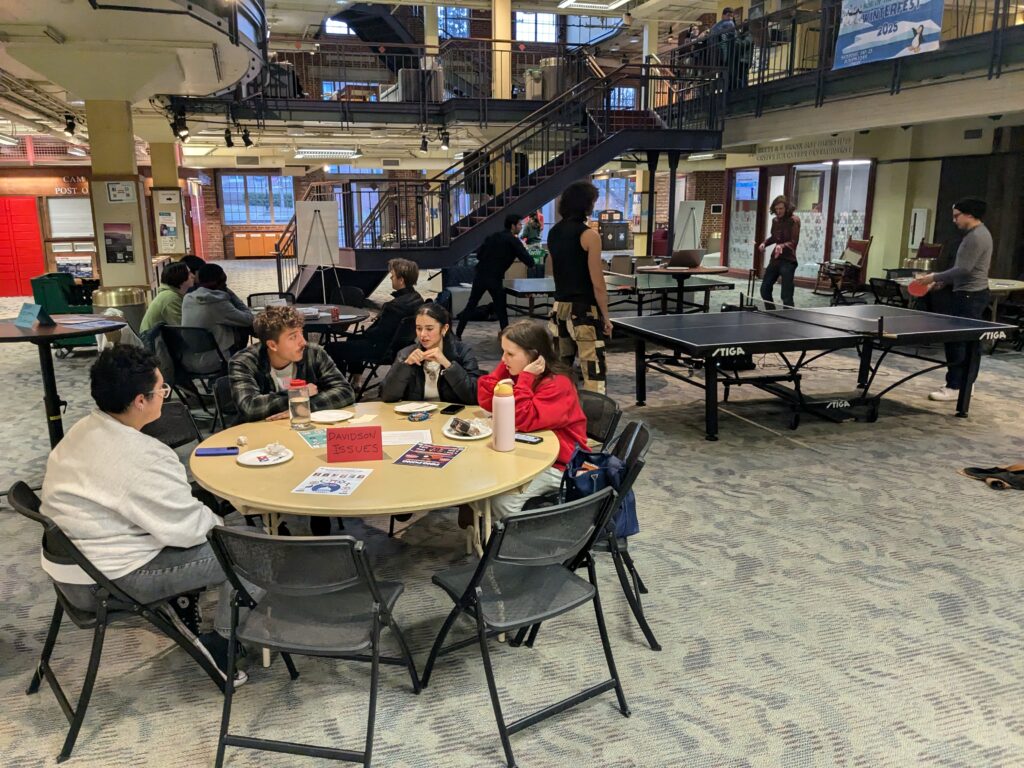
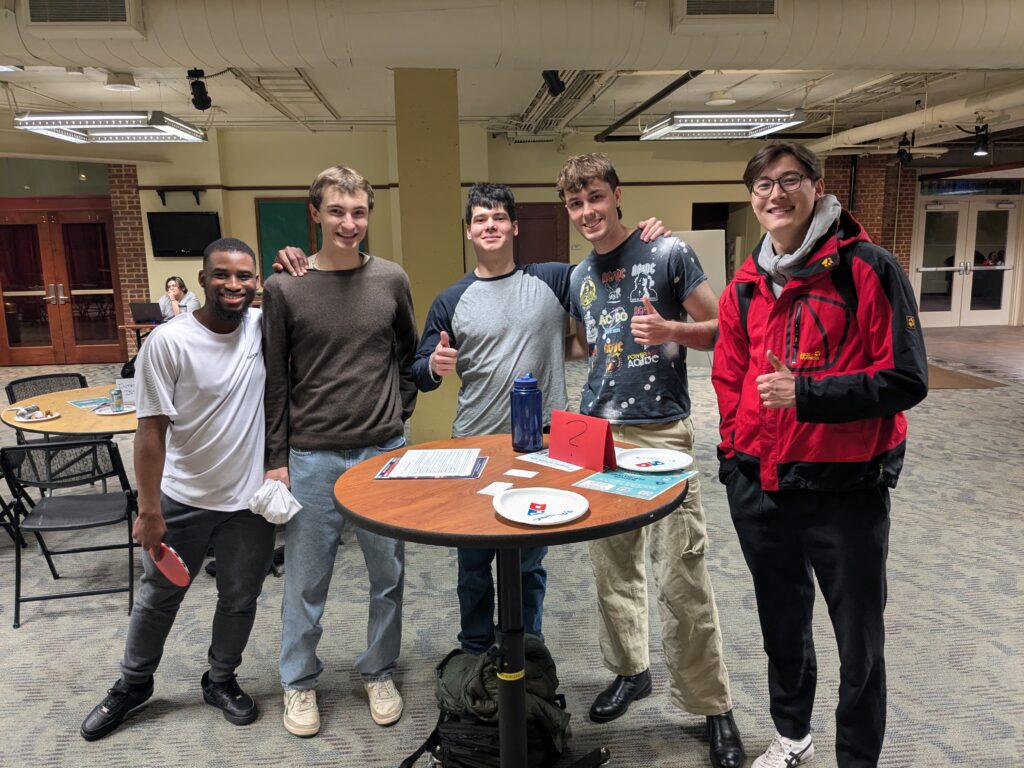
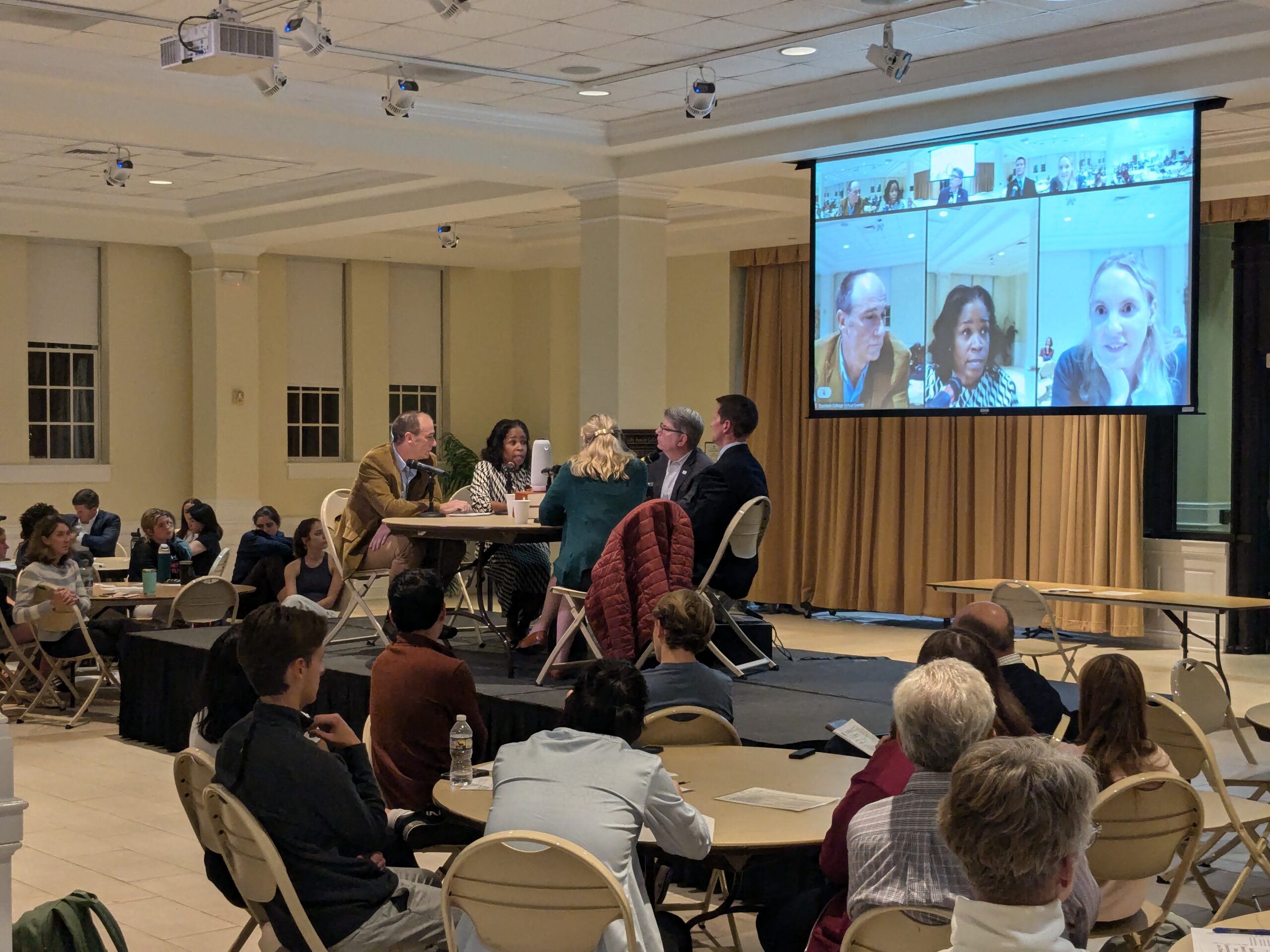
Our Winter Deliberative Forum on Thursday, February 13 from 7 to 9 p.m. (both online and in the Lilly Gallery) will focus on Religion in Public Life: What role should religion play in the public square and government policies? Click here to register today!
Religion has been a powerful force shaping societies, values, and identities throughout history. In modern democracies, the intersection of religion and public life raises important questions: How do we balance freedom of religion with the principles of secular governance? To what extent should religious beliefs influence public policy? And how can diverse faiths and perspectives coexist harmoniously in a shared public square?
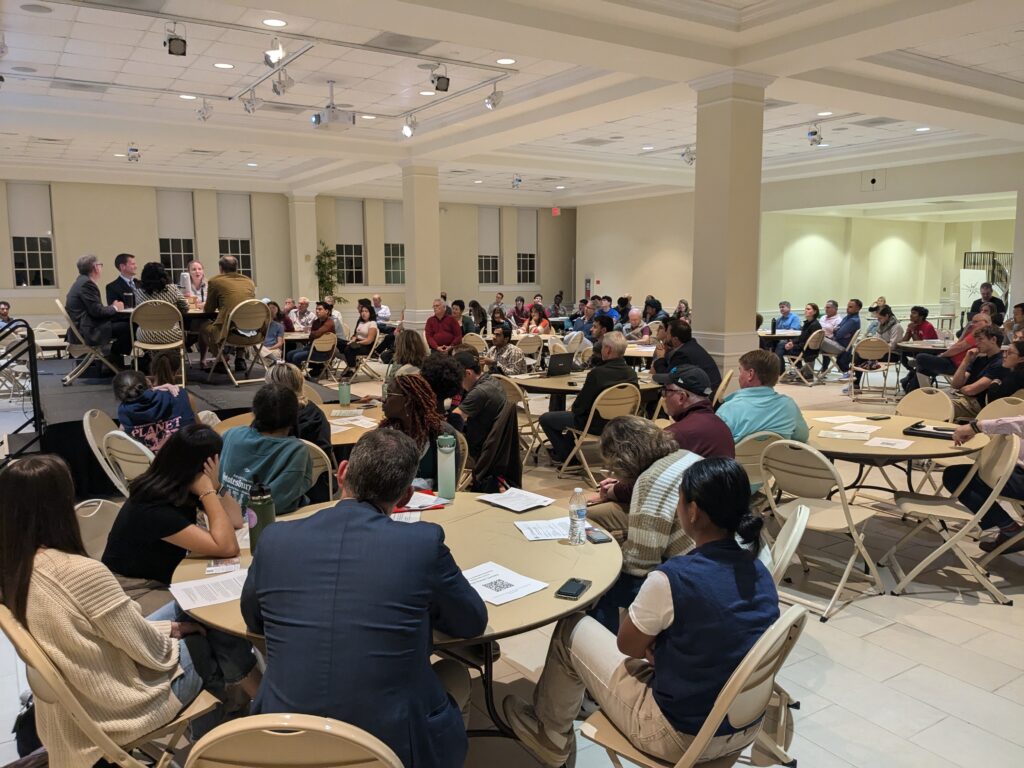
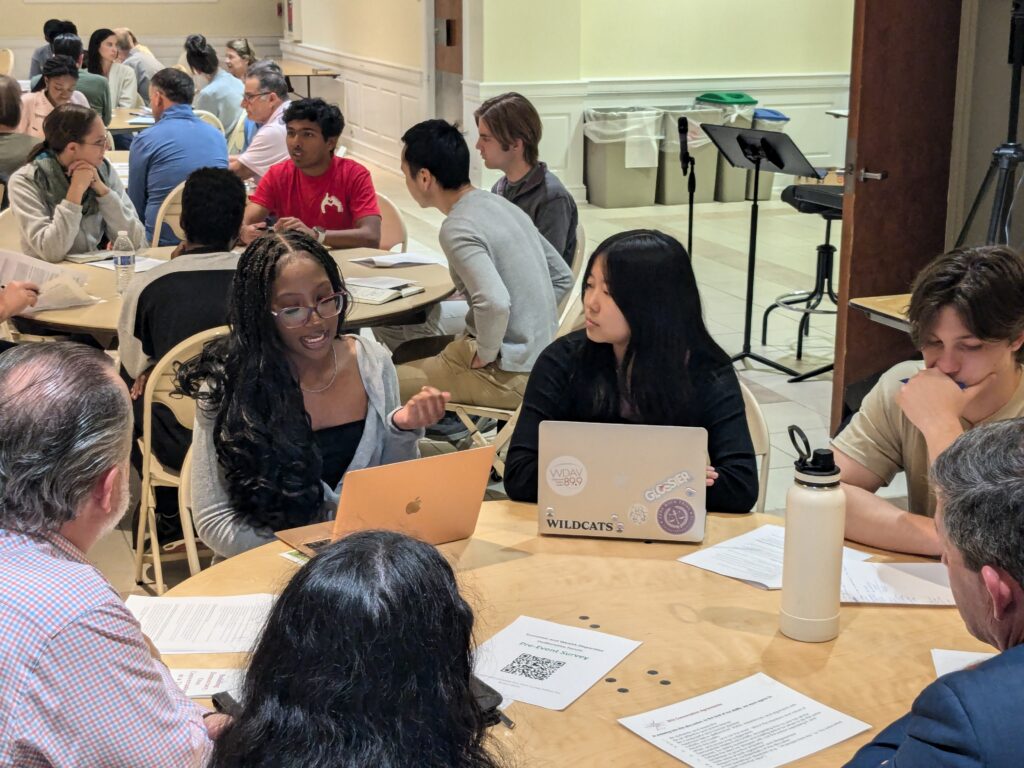
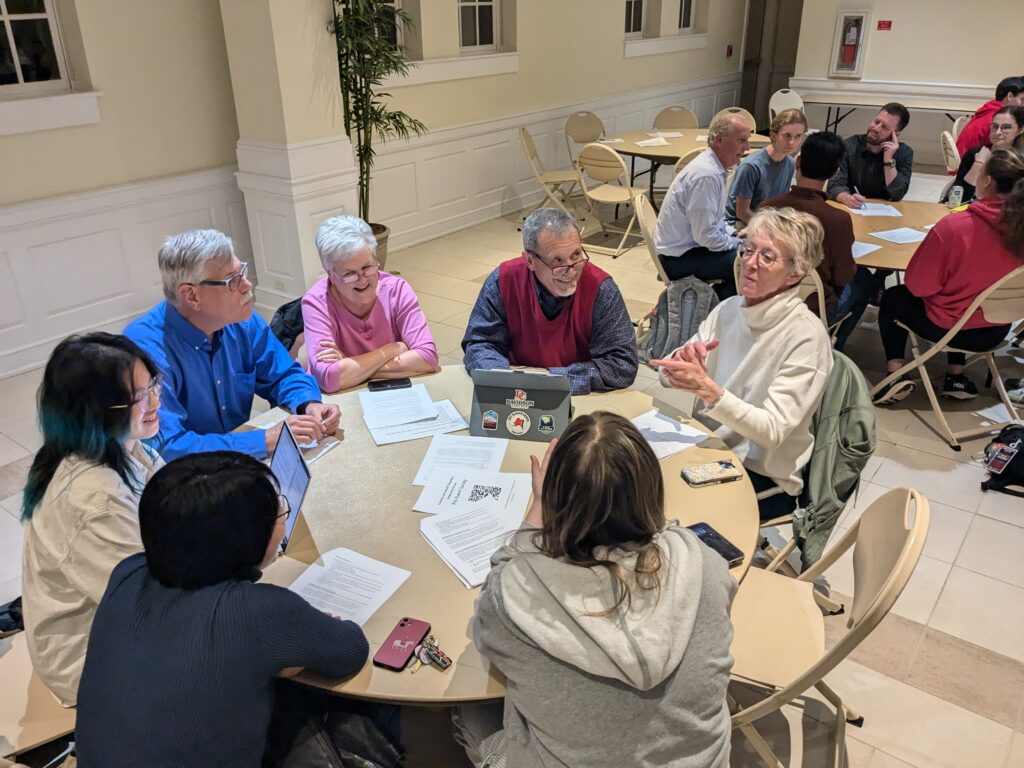
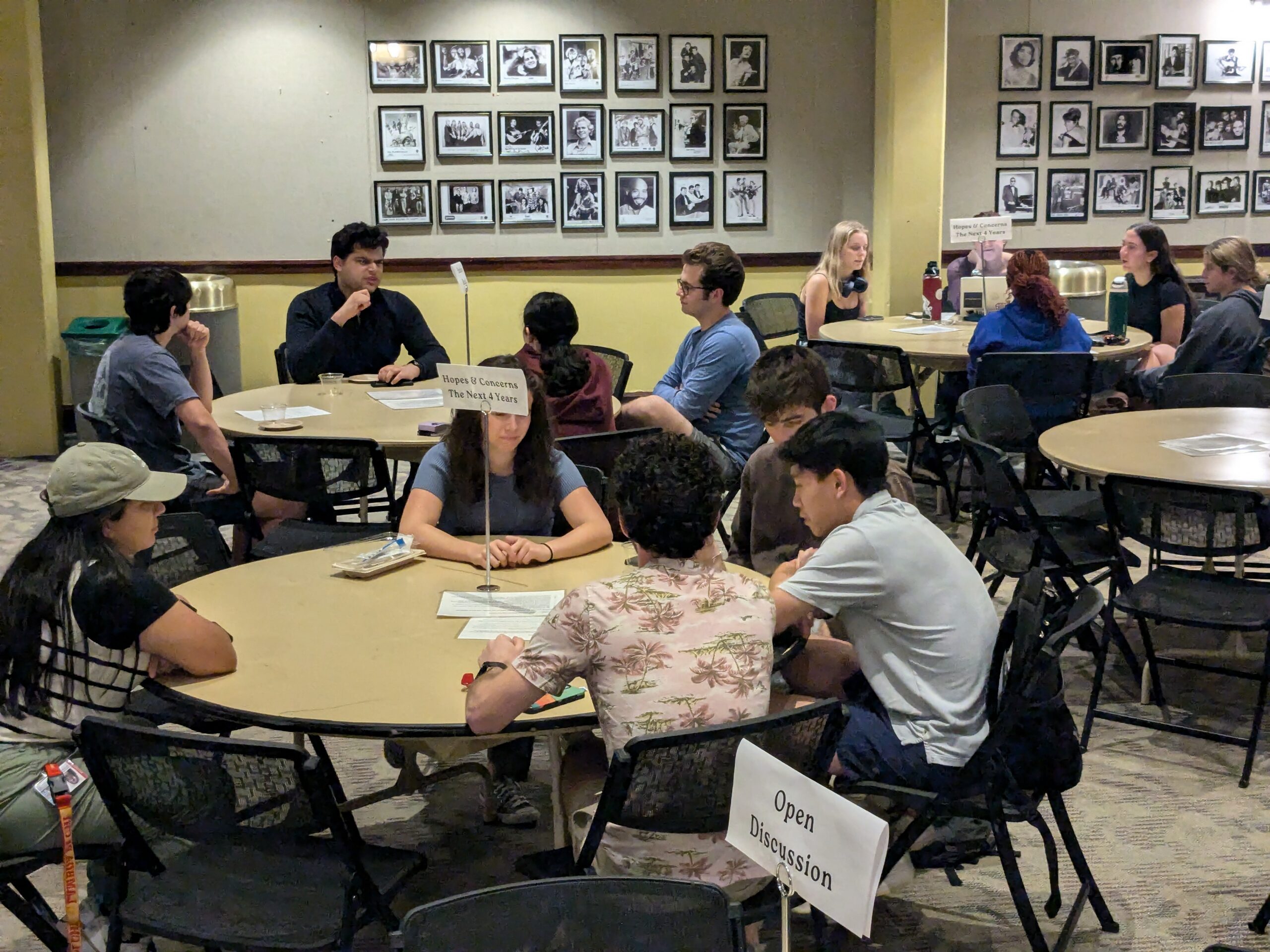
Davidson College’s Deliberative Citizenship Initiative, Chaplain’s Office, and Political Science Department invite you to explore these questions at this upcoming Winter Deliberative Forum, which will enable participants to actively engage with this important issue, first by hearing from a panel of experts and advocates with diverse perspectives on the topic. Then participants will actively deliberating with one another in facilitated small group discussions (either in person or virtually) about these questions. This is a fantastic opportunity to learn from experts, listen to the viewpoints of others, and share your own ideas about this challenging and complex topic.
Our panel features the following experts who hold a range of perspectives on the topic of the forum. They include:

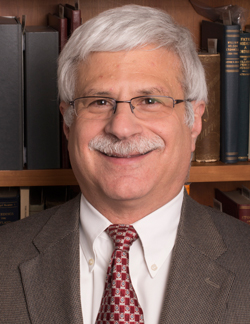
Robert Destro is Professor of Law at The Catholic University of America’s Columbus School of Law in Washington, D.C. He has served as the school’s Interim Dean and as Director of the University’s Institute for Policy Research and Catholic Studies. He is the co-author of Religious Liberty in a Pluralistic Society (Carolina Academic Press, 2002) and co-editor of Religion in Public Life (Vol. II): Religion and Political Structures: From Fundamentalism to Public Service (Council for Research in Values & Philosophy, 2005), and author of numerous other scholarly publications. Destro also served as the Assistant Secretary of State for Democracy, Human Rights, and Labor in the Trump Administration as well as a Commissioner on the United States Commission on Civil Rights in the Reagan Administration. His work included efforts to ensure that supply chains do not include goods or services produced by slave or forced labor. He also served as General Counsel to the Catholic League for Religious and Civil Rights, and he has been an advisor to religious organizations from a variety of religious traditions. Destro received his BA from Miami University in Oxford, Ohio, and his JD from the University of California, Berkeley.

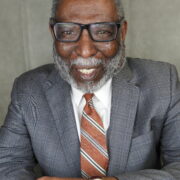
William McKenith is a pastor, educator, and author. He has served as the pastor of Reeves Temple African Methodist Episcopal Zion Church (A.M.E. Zion Church) in Davidson, NC, since June 2023. McKenith has pastored A.M.E. Zion churches for 28 years in both New Jersey and North Carolina, and the 48th Session of the General Conference of The A. M. E. Zion Church elected McKenith as a Justice of the Judicial Council. He has also served as the A.M.E. Zion Church’s Archivist, Editor of its Quarterly Review, and Secretary of its Historical Society. McKenith has also served as Associate Dean of Students and Associate Professor of Ministerial Studies at Hood Theological Seminary, and recently co-authored the book, The Contemporary History of The African Methodist Episcopal Zion Church: The Freedom Church, 1972-2016 (A.M.E. Zion Publishing House, 2024), along with numerous other scholarly publications. McKenith has a BS degree in Business Administration from Norfolk State University; a Master of Divinity degree from New York Theological Seminary; and a Master of Philosophy degree and PhD from Casperson School of Graduate Studies at Drew University.

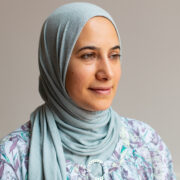
Hadia Mubarak is an Associate Professor of Religion at Queens University of Charlotte, and has previously served at Guilford College, New York University-Abu Dhabi, UNC-Charlotte, Davidson College, and Georgetown University. She is the author of Rebellious Wives, Neglectful Husbands: Controversies in Modern Qurʾanic Commentaries (Oxford University Press, 2022),“Crossroads,” I Speak for Myself: American Women on Being Muslim (White Cloud Press, 2011), and numerous articles on women and the Qur’an. She currently serves as a scholar-in-residence with the Muslim Community Center of Charlotte, a Board of Advisors member with the Carleton Center for the Study of Islam, and a scholar with the Institute for Social Policy and Understanding. Mubarak was the first female to be elected president of the national Muslim Students Association. As a field researcher, Mubarak has conducted on-site interviews and surveys with a range of Muslim scholars, government officials, activists, students, and journalists in Qatar, Jordan, Syria, Turkey, Pakistan and India. Mubarak received her master’s degree in Contemporary Arab Studies from Georgetown University, her BA in International Affairs and English from Florida State University, and her Ph.D. in Islamic Studies from Georgetown University.

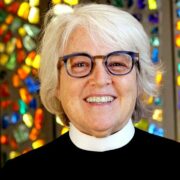
Nancy Petty has served as the senior pastor at Pullen Memorial Baptist Church in Raleigh, NC since 2002. Previously she served as Pullen’s Minister of Christian Education and Associate Pastor. In her role as Pullen’s senior pastor, Petty is a community faith leader who speaks out on issues of social justice, interreligious dialogue, and inclusion of the LGBTQIA+ community. She is chair of the Board for Repairers of the Breach, an organization started by the Reverend William Barber, and she has contributed to several books written on the North Carolina Moral Monday movement that she helped lead with Reverend Barber. She has received numerous awards for her work, including the 2014 North Carolina NAACP Minister of the Year Award; 2015 Human Relations Commission City of Raleigh Award; 2016 Champions for Children Award, and the 2018 Neighbor to Neighbor Award. In 2019, The Center for American Progress listed her as one of nine ministers to watch in our nation in 2019. Petty received her BA in religion/religious studies from Gardner-Webb University, her Masters of Divinity from Southeastern Baptist Theological Seminary, and her Doctorate of Ministry from McCormick Theological Seminary.

Brian Silva is Vice President of Outreach at Americans United for Separation of Church and State. Founded in 1947, Americans United is a not-for-profit organization dedicated to ensuring that religion does not dictate public policy and that discrimination is not justified under the guise of religion. It is focused on protecting the American principle of freedom of religion — including the right to believe or not believe — for all. Silva spearheads efforts to organize AU members at the grassroots level to support church-state separation, including the Summit for Religious Freedom. Silva has almost three decades of organizing experience rooted in creating change through education and advocacy. After working as a high school history teacher and mentor, Brian has served as the Executive Director of Marriage Equality USA and as the Executive Director of the National Equality Action Team (NEAT), which he also founded. He also has a background in emergency management and disaster response, having worked at organizations such as the American Red Cross and Kenyon Worldwide Disaster Management. Silva earned his MPA from Metropolitan College of New York and his BA in Government from the University of Redlands.

The panel will be moderated by Jason Blum, Associate Professor of the Practice of Writing at Davidson College. Jason completed his doctoral studies in Religious Studies at the University of Pennsylvania and has taught courses and is working on a book on religion in the public sphere. His research focuses on the intersections of religion, science, and ethics, and his work has appeared in The Journal of the American Academy of Religion, Method and Theory in the Study of Religion, and other scholarly publications.
The event is free but registration is required. Click here to register. We request that all registrants plan to attend both the panel and the small group discussions, which are designed to complement each other. Participants may join both in-person and online. Spaces are limited due to the number of trained DCI facilitators we have available to moderate the small group discussions. The Zoom link will be sent to online participants after they register.
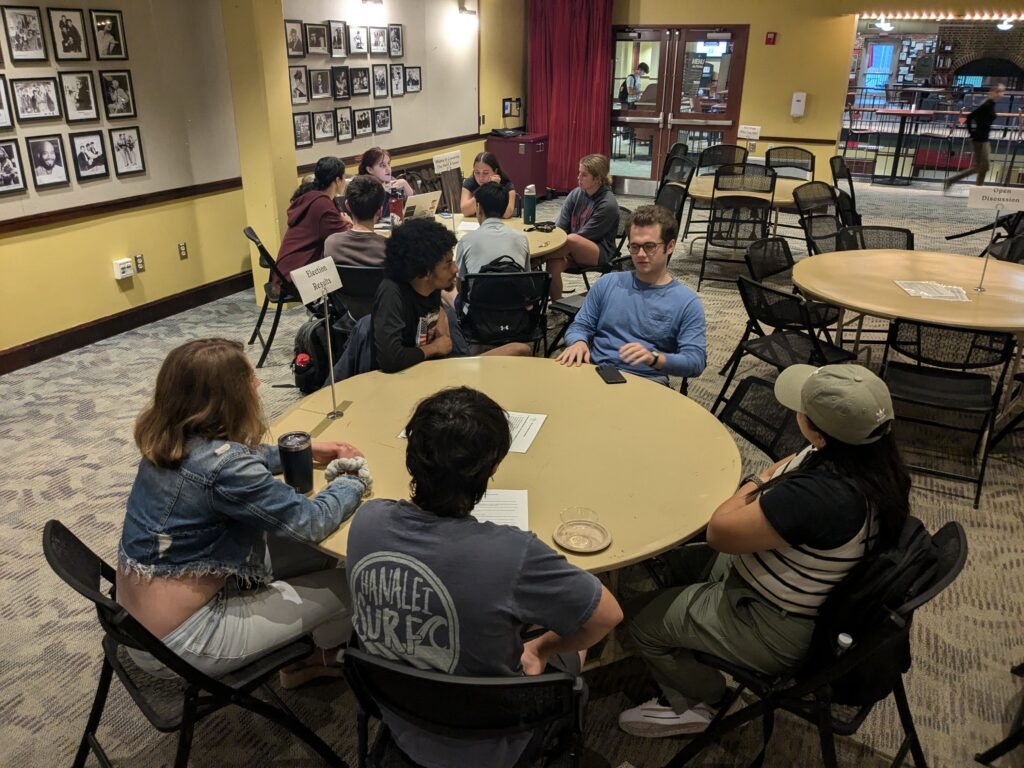
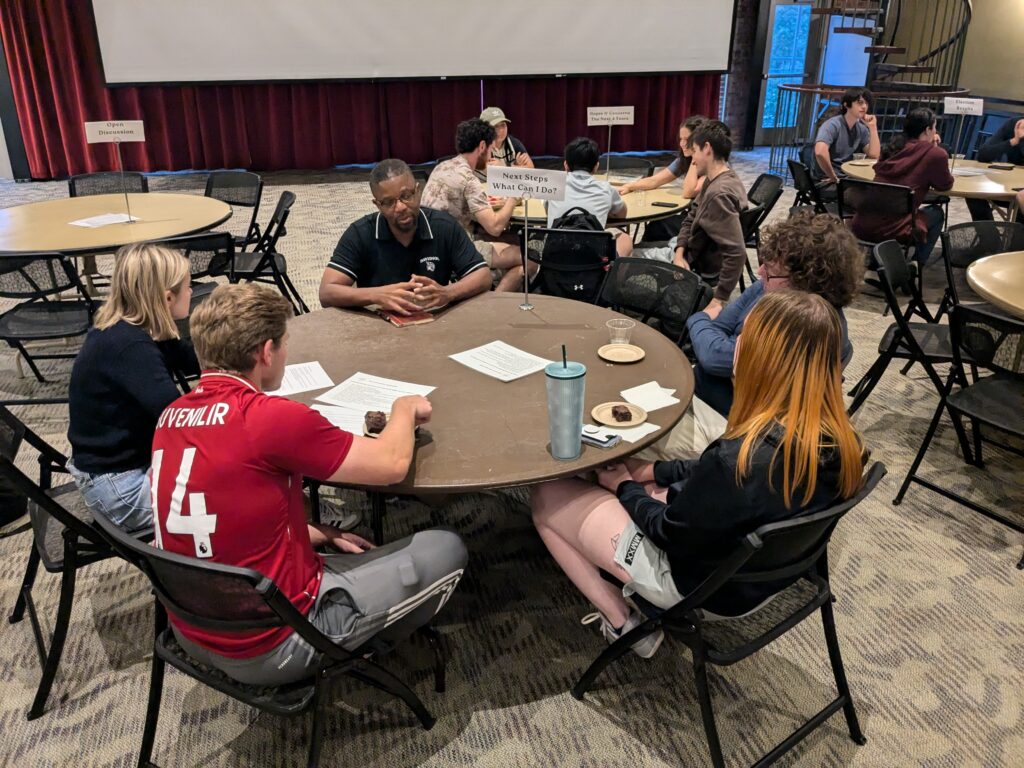
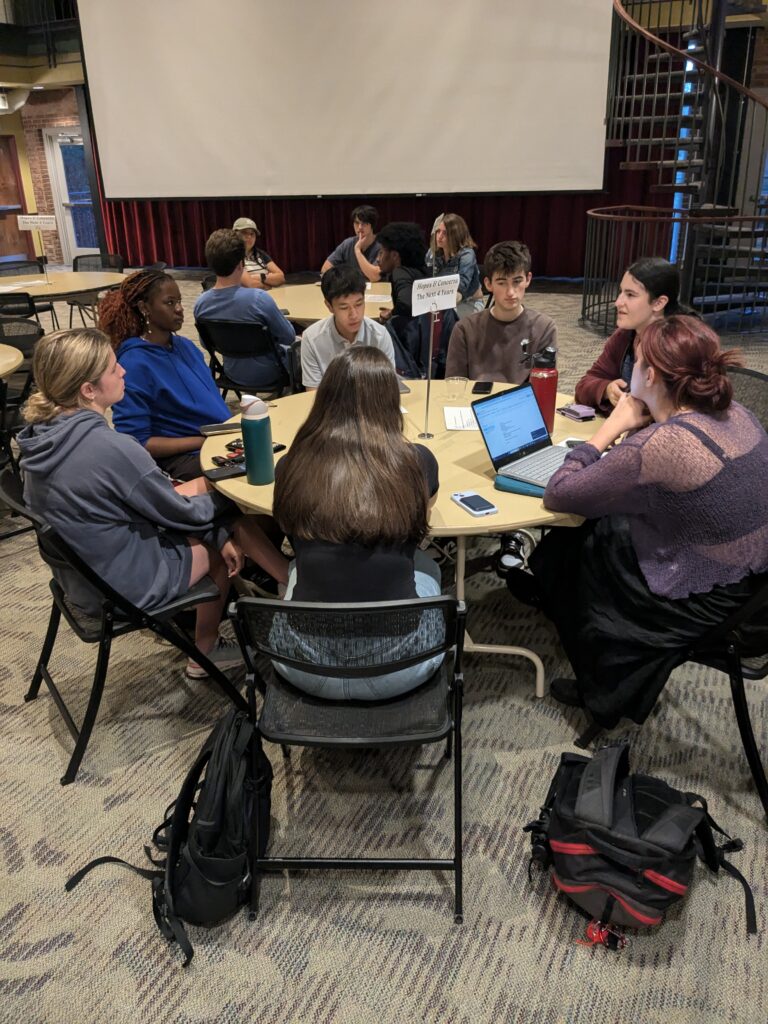
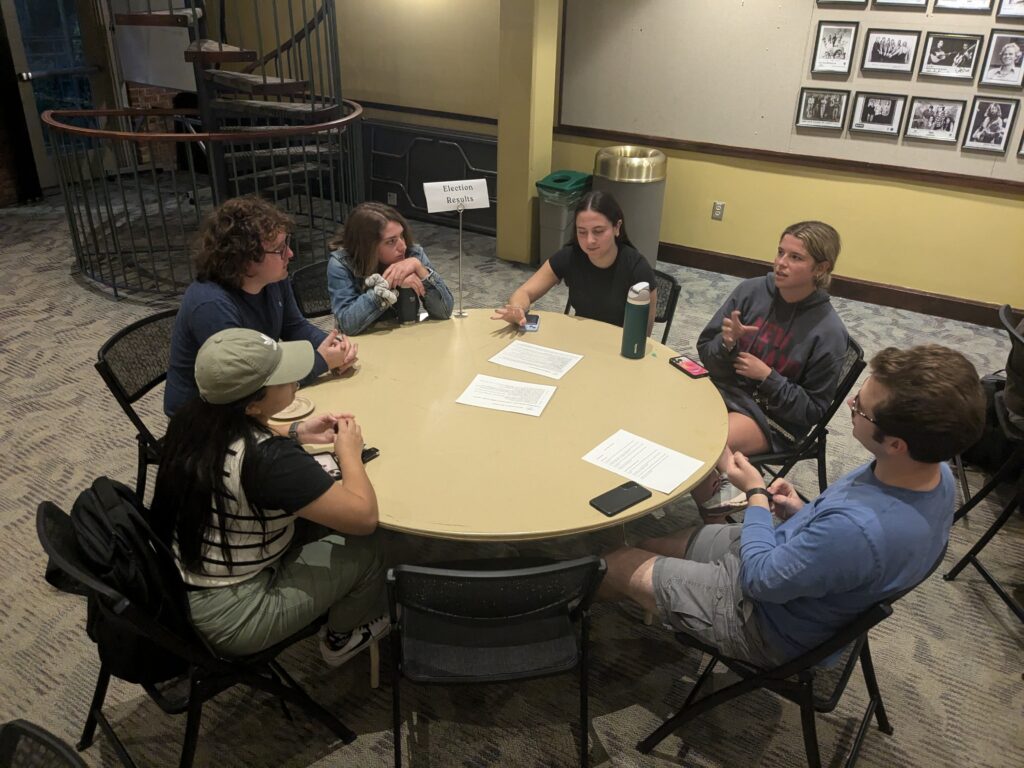
Following the panel discussion, both online and in-person forum attendees will have the opportunity to deliberate about the topic among themselves, guided by the DCI’s trained facilitators.
Find out more about the event, learn about our panelists’ backgrounds and sign up to attend the forum by February 11 at this link. Virtual and in-person registration options are available. We hope you can join us!