• Skip to main content
  • Skip to footer

Deliberative Citizenship Initiative

Building Democracy One Conversation at a Time

  • The Initiative
    • Programs
      • Deliberation Across the Curriculum
      • Deliberation on Campus
      • Deliberation in the Community
      • Research on Deliberation
    • Motivations
      • Why Deliberative Citizenship?
      • Why Davidson? Why Now?
    • Who’s Involved?
      • DCI Fellows Cohorts
        • 2025-2026 Fellows
        • 2024-2025 Fellows
        • 2023-2024 Fellows
        • 2022-2023 Fellows
        • 2021-2022 Fellows
        • 2020-2021 Fellows
      • DeeP Collaborative Cohorts
        • 2024-2025 DeeP Collaborative Faculty
        • 2023-2024 DeeP Collaborative Faculty
      • Advisory Council
    • History
      • What Sparked the Initiative?
    • Key Deliberative Dispositions
    • Frequently Asked Questions (FAQ)
    • Annual Report
  • Get Involved!
    • Participate in a Forum
    • Join a D Team
    • Become a Fellow
    • Take Courses
    • Get Training
    • Come to Guest Lectures
  • Events
    • Upcoming Events
      • 250th Anniversary Deliberative Forum Series on American Values
    • Past Events
  • Connections
    • The Deliberative Citizen: The DCI’s Monthly Newsletter
    • Efforts on Campus
    • Efforts in the Community
    • Efforts Elsewhere
    • Readings and Resources
      • DCI-Published Guides
      • DCI Guide to One-on-One Conversations
      • How to Disagree
      • Demonstration of Facilitation Styles
      • Deliberative Pedagogy Mini-Course
    • How We Can Help: DCI’s LET’S DELIBERATE! Partnership Opportunities
    • DCI in the News
  • DCI Blog Posts
    • Recent Blog Posts
    • All Blog Posts

Events

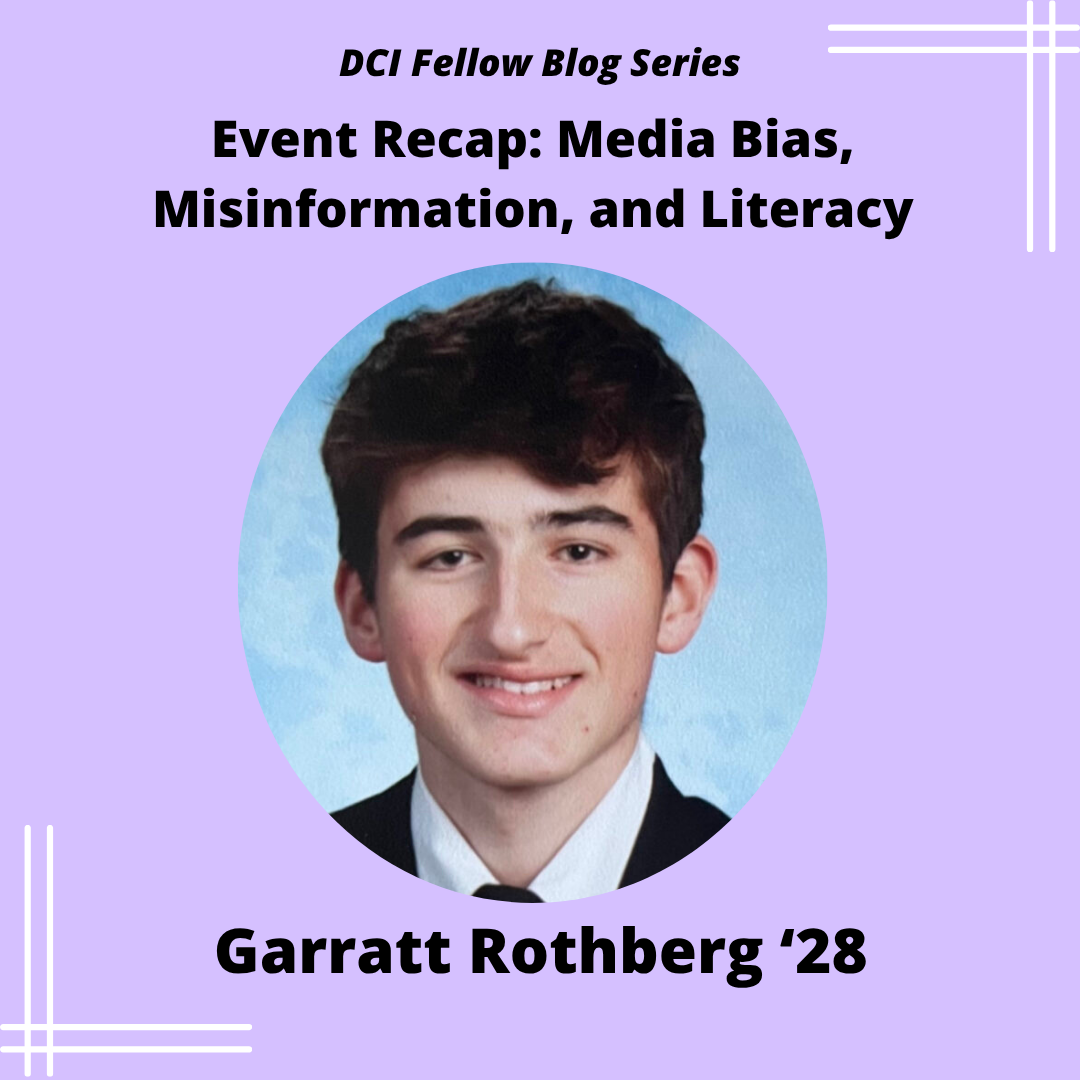
Event Recap: Media Bias, Misinformation, and Literacy

July 9, 2026 by Garratt Rothberg

By Garratt Rothberg ’27

Garratt Rothberg ‘27, along with the Center for Political Engagement, hosted a speaker event and deliberation on media bias, misinformation, and media literacy. The event began with a presentation by Isaac Saul, the founder of Tangle News, who spoke about his experience founding a news organization dedicated to unbiased and balanced reporting in a media landscape rife with highly politicized news outlets. 

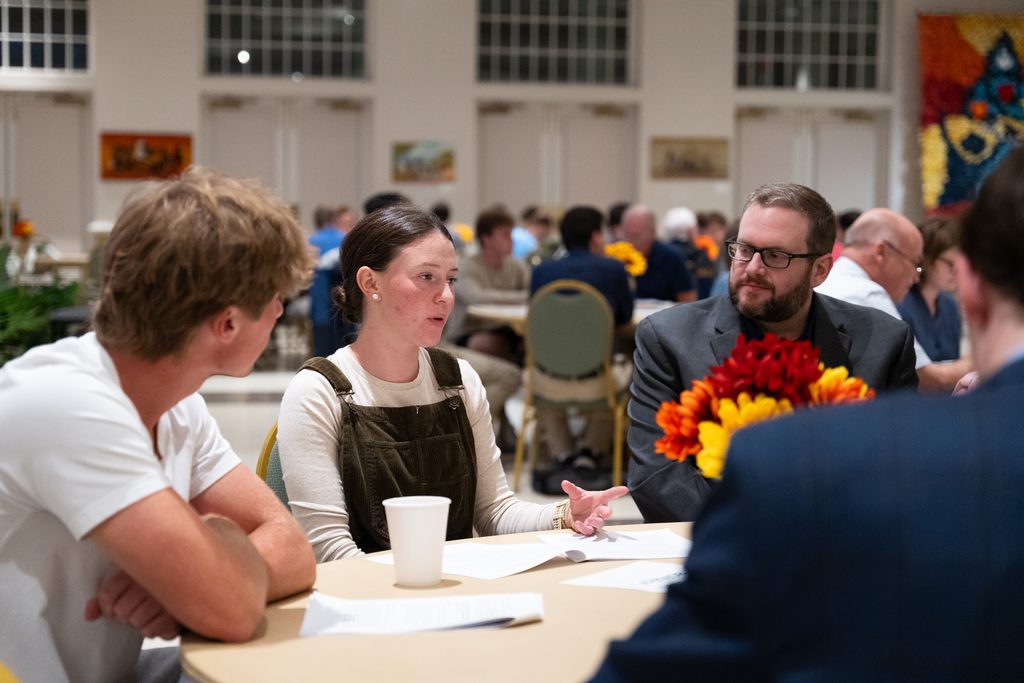
Following Isaac’s talk, the audience of students and community members took part in an interactive Menti poll on topics such as their personal media consumption habits and their confidence in navigating media bias. Through Menti, participants saw each other’s selections to each question in real time, allowing them to get a sense of how news consumption attitudes differed throughout the crowd. Many of the results from the Menti poll sparked surprise among the audience, leading them into a deliberation on the generational divides in views towards media polarization. 

While the group discussed their own news habits and encounters with misinformation, Isaac answered questions and provided additional background knowledge from his career as a news editor. After the event, Garratt compiled the results of the Menti poll to create an infographic displaying key findings from the poll, which will be posted on social media pages and distributed around campus.

The discussion emphasized the importance of nonpartisan news sources, as well as the challenges towards democracy that a highly politicized media presents. Deliberation allowed audience members of different generations to better understand each other’s views and habits, demonstrating that deliberation is a critical tool in building a sense of mutual understanding among diverse groups.

Filed Under: Events, Fellow Posts

Event Re-cap: Watch Party of the Fourth Expert Roundtable in the American Values Deliberative Forum Series 

May 25, 2026 by Ruby Aaver

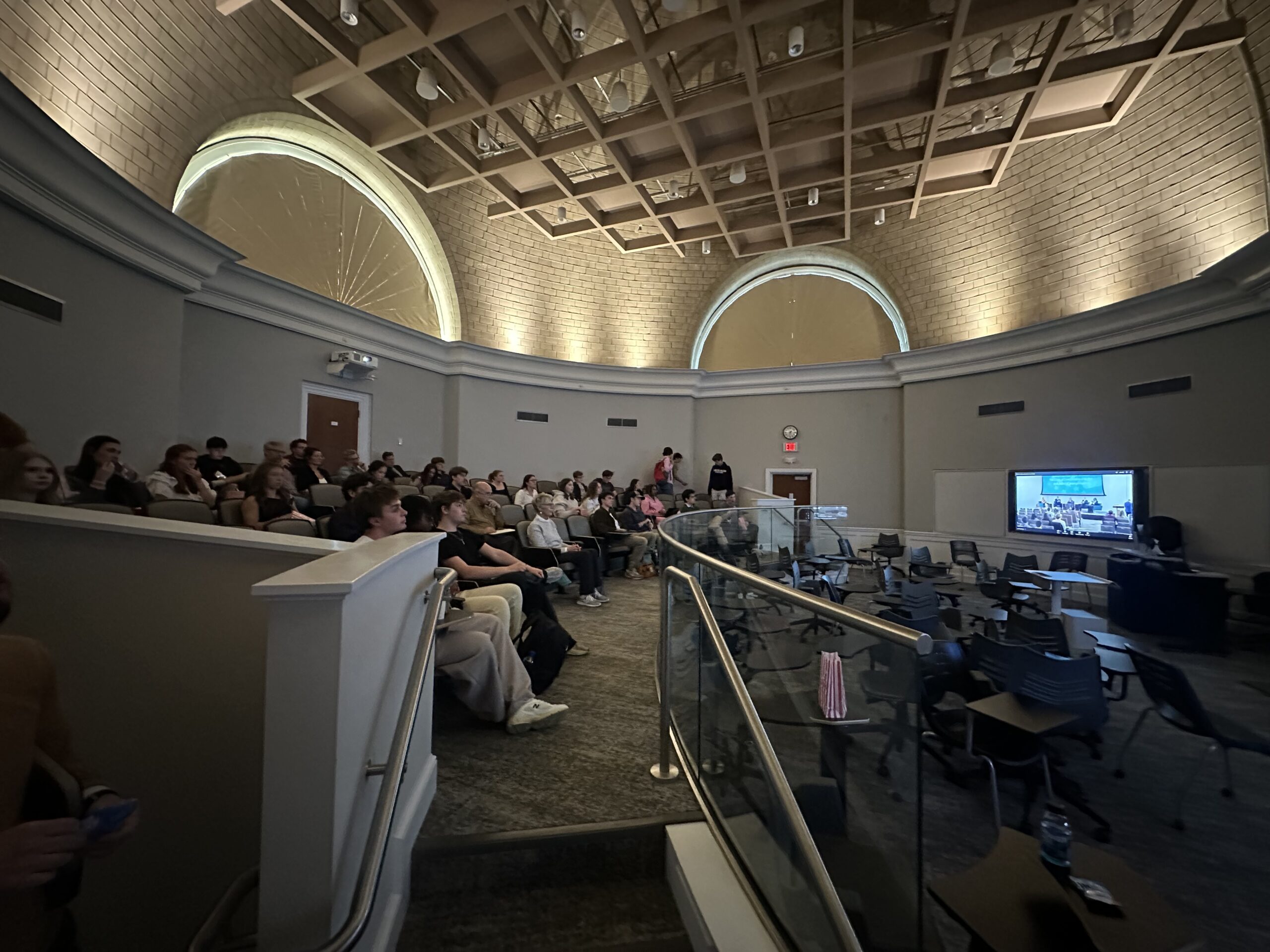
Photo of auditorium with audience and tv showing expert roundtable.

On March 24th, The Deliberative Citizenship Initiative wrapped up its American Values Deliberative Forum series with its final installment, Justice and the Rule of Law: The Case of Constitutional Rights and Judicial Interpretation.

Our watch party brought together more than 50 students, faculty, staff, and community members to watch a livestream of the panel that was being held live at Duke University. Attendees gathered in Hance Auditorium and enjoyed refreshments and a popcorn bar during the event.

The roundtable explored questions surrounding constitutional rights, judicial interpretation, and the role of the courts in shaping how justice is understood and applied. As the final event in the series, it offered participants one last opportunity to hear directly from experts grappling with complex and timely issues in commemoration of the 250th anniversary of the Declaration of Independence.

While the watch party itself centered on viewing the discussion, it also served as an important entry point into deeper engagement. Participants will continue these conversations in upcoming D Team sessions, where they will have the opportunity to reflect, deliberate, and share their own perspectives in a more interactive setting.

With strong attendance throughout the series, DCI’s live forums and watch parties have created space for the community to come together, engage with expert insights, and prepare for meaningful dialogue beyond the event itself.

Missed the event or want to watch it again? Click Here to view the recording! You can also check out our flyer and deliberation guide for the event below.

Justice-and-the-Rule-of-Law-Expert-Roundtable

DCI-Justice-and-Rule-of-Law-Deliberation-Guide

Filed Under: Events

Davidson Represented at Leadership Symposium on Civil Discourse

March 2, 2026 by Graham Bullock

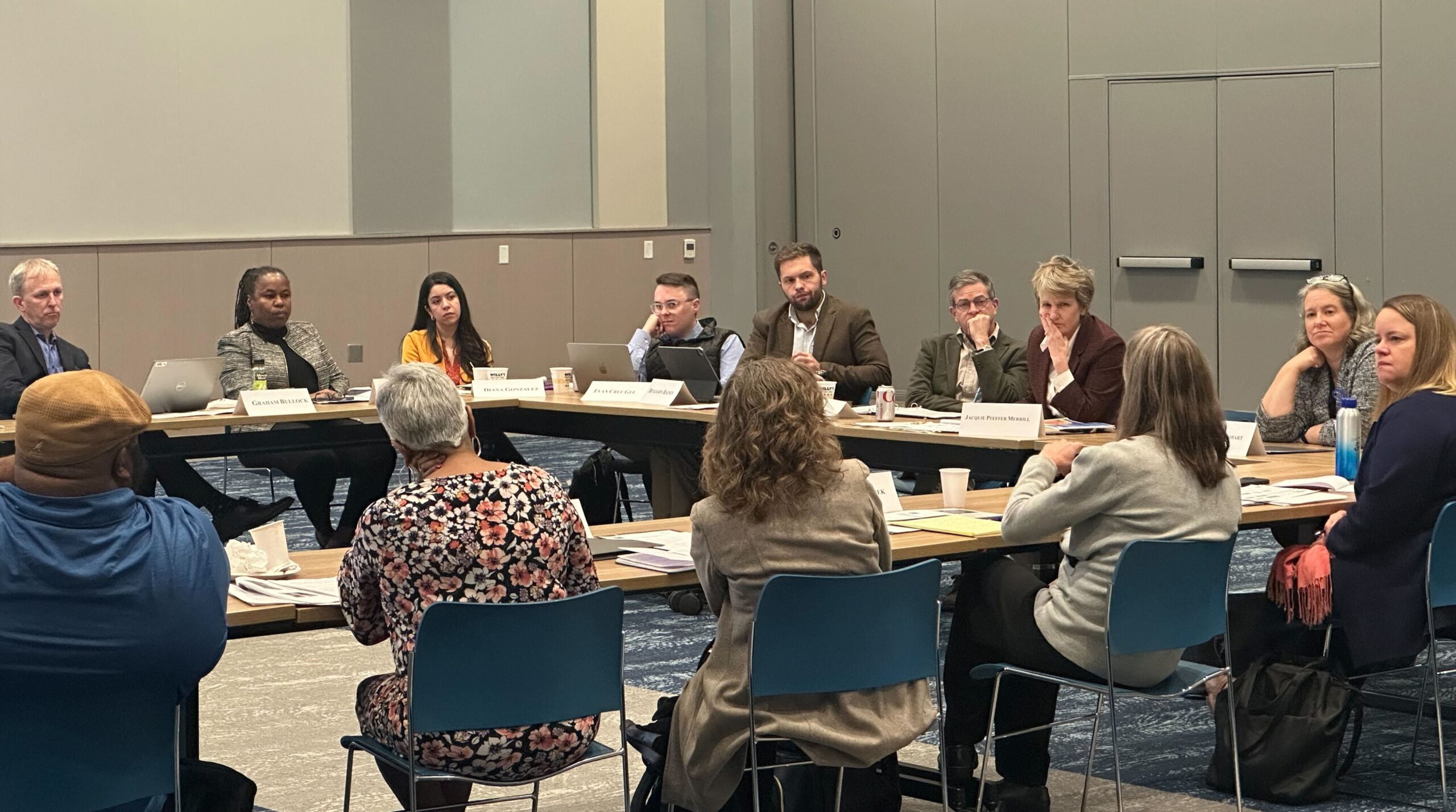
people sitting around a large conference table

By Graham Bullock (DCI Faculty Director)

On November 13–14, 2025, I had the opportunity to participate in a Leadership Symposium on Civil Discourse: Conversations in the Classroom, Quad, and Community, hosted by Jacqueline Pfeffer Merrill and the Council of Independent Colleges (CIC) in partnership with Emory University.

Dr. Merrill, CIC’s Senior Director for Civic Learning and Free Expression Projects, used the  symposium to bring together faculty members and higher education leaders from across the country to share ideas and strategies for strengthening civil discourse on our campuses. The gathering, held in Emory’s Student Center, focused on how institutions can foster thoughtful dialogue in classrooms, co-curricular programming, and the broader campus community.

I was honored to have the opportunity to co-lead Session III, “Civil Discourse Co-Curriculars,” with Daryl Lowe, Associate Vice President for Student Affairs at Spelman College. Our session explored how colleges can build meaningful opportunities outside the classroom that equip students to engage across difference with curiosity, respect, and intellectual rigor.

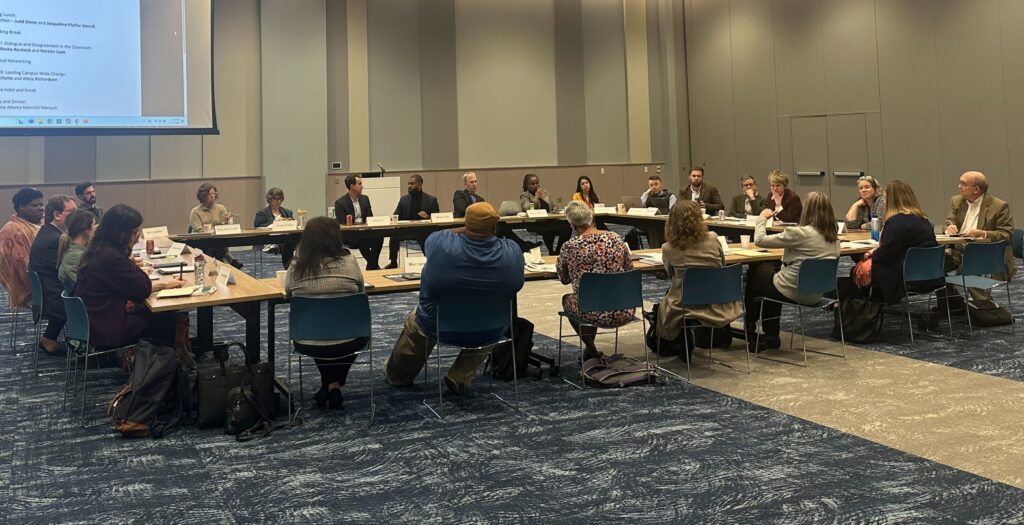
Wide angle view of conference attendees at main table

The symposium featured an impressive range of institutions and perspectives. Participants and session leaders represented colleges and universities including Emory University, Spelman College, Trinity University, Dickinson College, Hartwick College, Agnes Scott College, Oglethorpe University, Dalton State College, The University of the South, Carnegie Mellon University, Presbyterian College, The College of Wooster, Goshen College, and the University of Wisconsin, Eau Claire.

Throughout the two days, discussions emphasized practical approaches to navigating disagreement, supporting faculty and student development, and embedding civil discourse into the fabric of campus life. I was grateful for the chance to share insights from Davidson’s Deliberative Citizenship Initiative and to learn from colleagues who are leading innovative programs in dialogue, free expression, and student engagement at their institutions. At a moment when many in higher education feel under siege from multiple fronts, the symposium offered a powerful reminder that colleges and universities remain vital spaces for rigorous inquiry, principled disagreement, and meaningful community-building. I look forward to continuing the conversations that we started in Atlanta and following up on the great ideas we discussed together. The more we can share, the more we can make our own work better.

Filed Under: DCI Posts, Events

Event Recap: “Davidson in Reverse”

February 24, 2026 by Graham Bullock

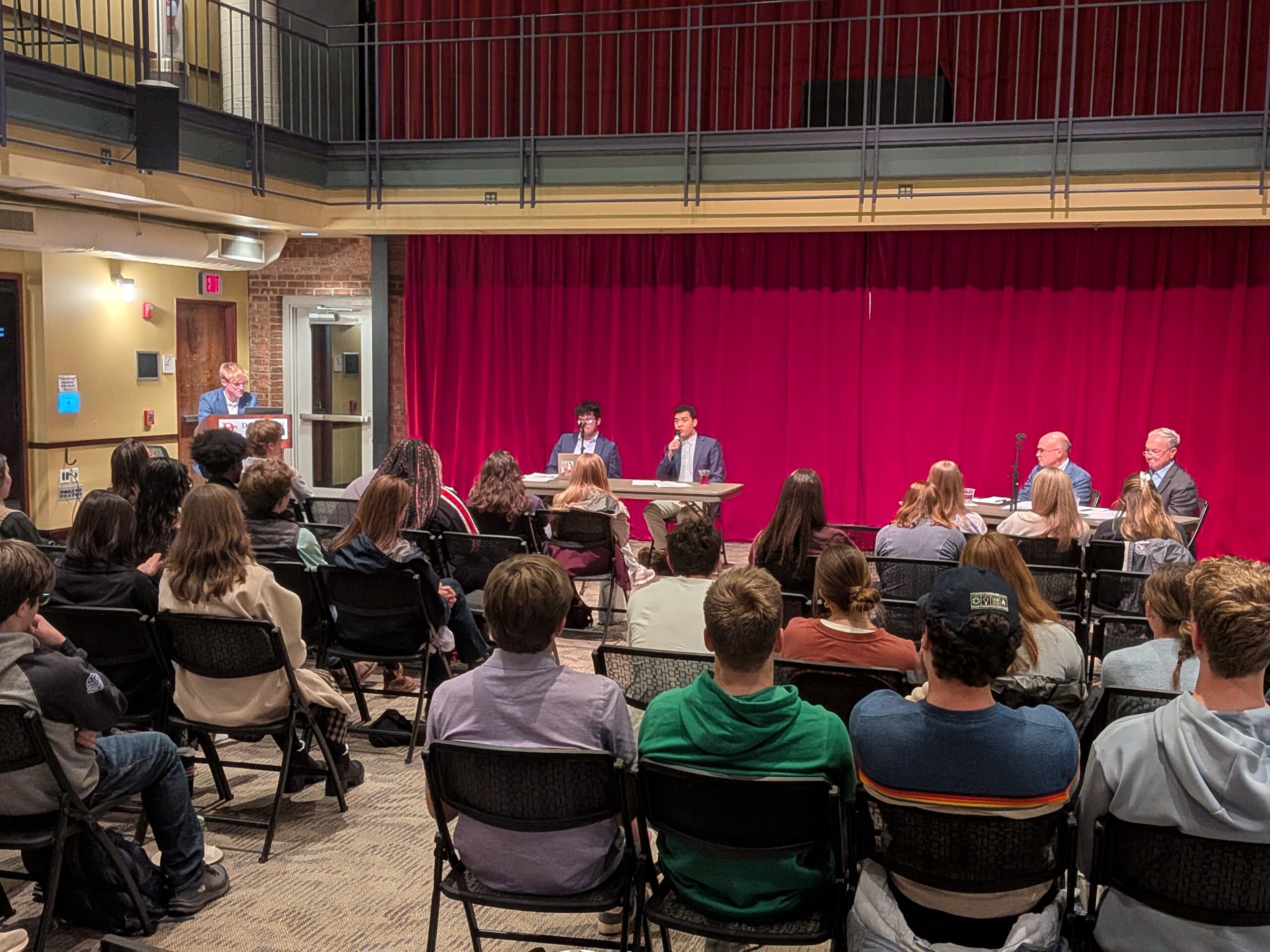
Photo of debaters sitting at tables

Davidson in Reverse was initially conceived of as a group project in Professor Bailey’s “Debate & Deliberation” course. It was designed to get students to examine difficult issues from a variety of perspectives. By encouraging students to take on an issue from the opposite side of their preferred view or perspective, the project helped them to resist the temptation of conducting a superficial review of the thinking of those with whom they have passionate disagreements.

Students quickly got on board with the assignment during class sessions and worked with two Davidson residents, Paul Wetenhall and Andrew Shepard, to explore their chosen topic of “anti-Whiteness” and “wokeness” and whether they are hurting or helping America. They co-organized a public “Davidson in Reverse” debate that was held at 7 p.m. on Oct. 28 in the 900 Room of the Davidson Student Union. The debate included the two conservative/libertarian-leaning community members and two liberal/progressive leaning students from the class.

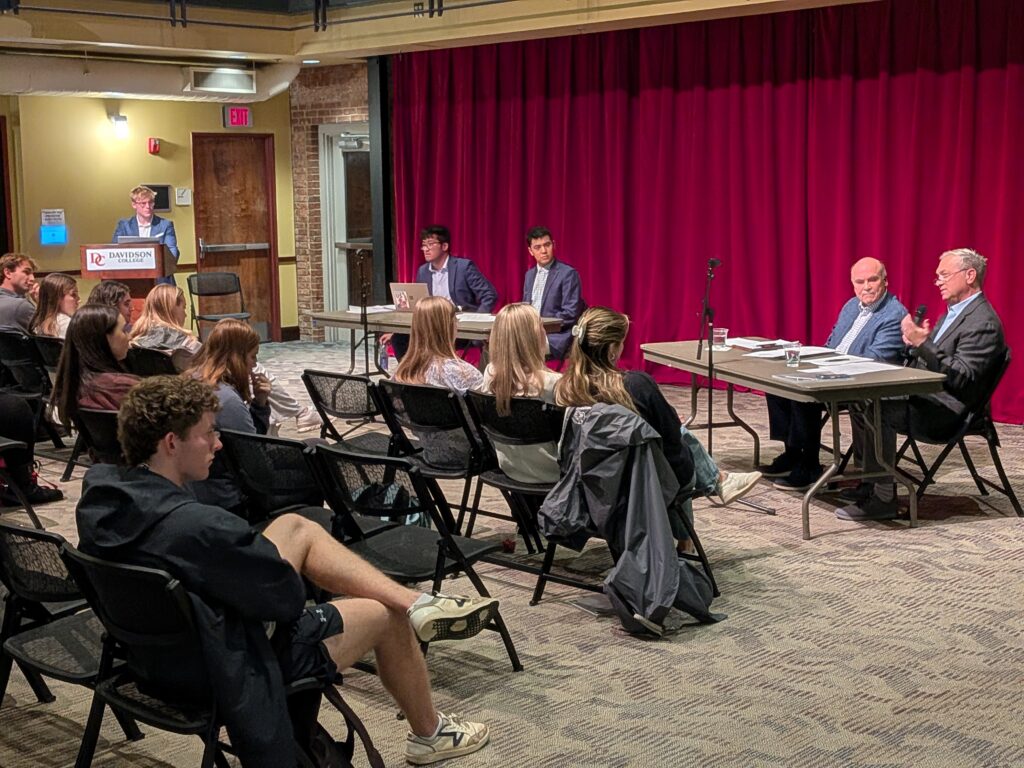
photo of debaters speaking to the audience.

The “reverse” dynamic involved the debate participants arguing for the side that they disagree with; the two students argued against “woke” diversity policies while the two residents argued for the policies. Professor Dan Aldridge offered an expert analysis of the debate after it concluded, and the panelists took questions from the audience as well.

Photo of Dan Aldridge speaking to the audience

The event included food and was co-sponsored by the Deliberative Citizenship Initiative. It was less about trying to change minds than showcasing the ability to argue in good faith by making an opponent’s best case, as well as the importance of examining important-contentious issues through a 360-degree lens before coming to a definitive judgment.

Filed Under: Events

Liberty, General Welfare, and Social Safety Nets: A Night of Deliberation at Davidson

February 17, 2026 by Graham Bullock

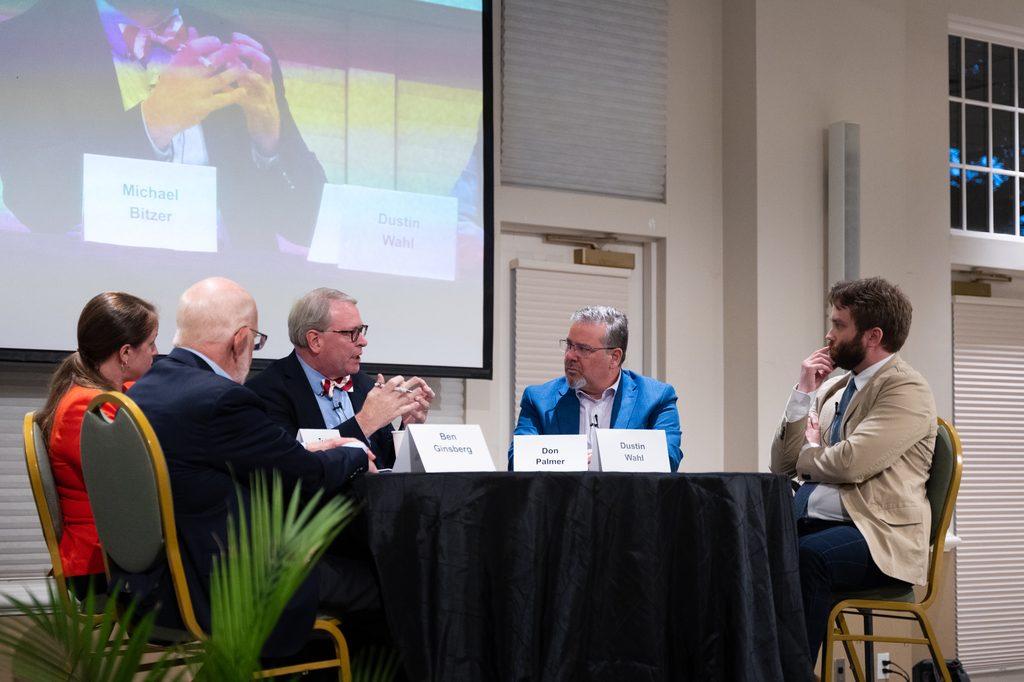
Expert roundtable talking to each other

On February 11, the Deliberative Citizenship Initiative (DCI) at Davidson College hosted its 21st Deliberative Forum featuring a roundtable of experts with a wide range of backgrounds and perspectives. As part of the American Values Deliberative Forum Series co-hosted with Duke University and UNC Chapel Hill, the Expert Roundtable invited participants to wrestle with a foundational American tension: Are the ideals of liberty and the general welfare compatible, and what role should social safety nets play in balancing them?

Held in the 900 Room with an audience of over 100 people and streamed to more than 150 online participants (including a watch party of over 50 people at Duke University), the event brought together Davidson students, staff, faculty, alumni, and members of the broader public (including a group of local high school students) to listen to a wide-ranging discussion grounded in the Declaration of Independence and the Constitution’s Preamble. Together, those founding documents affirm both the protection of liberty and the promotion of the general welfare, commitments that have often complemented one another, but just as often clashed in practice.

The panel reflected that complexity.

Romina Boccia (Cato Institute), Christopher Freiman (West Virginia University), Lisa Gennetian (Duke University), and Joshua Preiss (UNC Chapel Hill) offered sharply contrasting perspectives on the sustainability and moral foundations of America’s social safety net. Associate Professor of Philosophy Dan Layman moderated the discussion, encouraging exploration of both areas of disagreement and agreement.

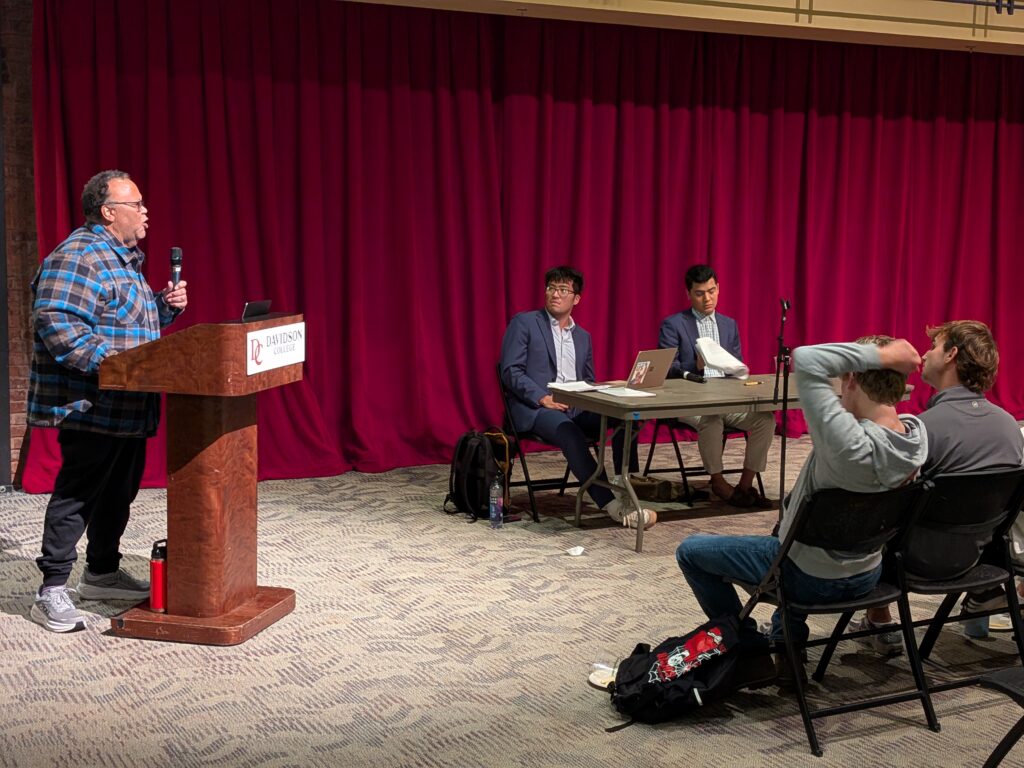
Photo of audience and roundtable with Graham Bullock speaking at podium

The evening opened with reflections on liberty itself. Preiss drew on republican political philosophy, arguing that freedom is not merely the absence of interference but protection from domination, whether by a monarch, an employer, or economic insecurity. From this perspective, some degree of social provision may reinforce liberty by reducing dependence and vulnerability.

Freiman, by contrast, emphasized a strong moral presumption against violating individual rights, including property rights. While he allowed that rights can sometimes be overridden for sufficiently large public benefits, he argued that the burden of justification must remain high.

Gennetian approached the issue as an economist focused on trade-offs rather than absolutes. She framed liberty and general welfare as goals that require careful balancing through policy design, asking how programs affect incentives, economic participation, and long-term outcomes, particularly for families and children.

Boccia focused squarely on fiscal sustainability, arguing that major entitlement programs such as Social Security and Medicare are on an unsustainable trajectory that threatens long-term prosperity and democratic stability. In her view, broad interpretations of the “general welfare” clause have expanded federal power beyond its intended limits and weakened local, community-based forms of support.

If the panel agreed on anything, it was that the questions are difficult – and urgent.

Panelists talking to each other

Much of the conversation turned to demographic change and the structure of federal spending. Panelists noted that aging populations and slower workforce growth are reshaping the fiscal landscape. A striking statistic highlighted during the discussion: within the next decade, interest on the debt alongside Social Security, Medicare, and Medicaid could consume the entirety of federal tax revenues, raising difficult questions about the nation’s priorities today and in the future.

But the conversation did not remain at the level of budget projections. It returned repeatedly to deeper philosophical disagreements about what security requires.

Does economic security underpin freedom? Or do expansive safety nets undermine the very growth and autonomy that sustain liberty? Should reform focus on redistribution (through programs like Social Security, Medicare, or a Universal Basic Income) or on restructuring markets to generate inclusive growth and meaningful work?

On this last point, Preiss argued for a “full employment” orientation to economic policy, emphasizing the importance of social and economic inclusion. Gennetian underscored the importance of health and early childhood investments as foundational to long-term security. Freiman questioned whether broad redistribution is the most effective path and raised concerns about growth and incentives. Boccia advocated structural reform to impose budget constraints and restore fiscal balance, particularly in healthcare spending.

Photo of panelists talking to each other

The discussion also expanded to contemporary challenges. Audience questions explored artificial intelligence and automation, the possibility of universal healthcare, and whether wealth redistribution contributes to a healthy democracy. Panelists disagreed on many points but shared a willingness to engage each other’s assumptions and ideas.

That spirit of engagement was a theme throughout the evening.

Chris Marsicano, Director of the Institute for Public Good, announced at the outset of the program that the DCI recently received a nearly $4 million federal grant to expand its model of deliberative programming to 100 college campuses nationwide over the next four years. The award reflects what Davidson has been building since 2020: a culture of civil discourse that predates the recent national surge of interest in free expression initiatives.

As Marsicano put it, “There is no true college or university education without free expression, without the ability to debate, to talk through tough issues, to come to some level of agreement or disagreement, and to do so with respect.”

The forum modeled that commitment. The panelists did not avoid disagreement; they leaned into it. They debated the meaning of property rights, the design of social insurance, the trade-offs between growth and redistribution, and the role of government versus community institutions. Yet the tone remained intellectually serious and collegial.

In her closing remarks, Boccia encouraged participants, when they hear something they disagree with, “don’t get furious, get curious.” That sentiment captured the evening’s purpose. The goal was not to resolve centuries-old tensions between liberty and general welfare in ninety minutes. It was to create space where those tensions could be examined honestly and rigorously.

As DCI Faculty Director Graham Bullock stated in introducing the event, “Our goal for these forums is to model respectful discourse across differences on contentious and challenging topics – and to create spaces for listening, sharing, and coming up with new ideas together.”

The DCI will continue to create such spaces – for example, through its upcoming D Team meetings and a campus-wide Community Conversation on Feb. 25 (7 pm in the 900 Room) – that give students, faculty, staff, and community members the opportunity to deliberate together. They will be able to test arguments, challenge assumptions, and consider how enduring values like liberty and general welfare should shape public policy generally and social safety nets specifically. Likewise, other institutions like Duke University and UNC Chapel Hill will be hosting their own conversations following the Roundtable — watch out for news about opportunities to deliberate near you!

As the nation approaches the 250th anniversary of the Declaration of Independence, events like this Roundtable remind us that democracy is not sustained by slogans alone. It requires citizens willing to listen, to disagree, and to think carefully about the principles that govern us.

On February 11, everyone who joined the event at Davidson, Duke, UNC, and elsewhere did exactly that.

Check out the video recording of the Expert Roundtable below:

You can find below the Issue Guide developed by the DCI and shared with audience members in advance of the event.

DCI-Liberty-and-General-Welfare-Issue-Guide

And below is the poster for the event…

Expert-Roundtable-on-Liberty-General-Welfare-and-Social-Safety-Nets

Bonus Photo: And even after a night of good but intensive argument on stage, the panelists were able to hang out together at a local bar, King Canary, after the event, showing it is indeed possible to strongly disagree with one another while still being able to have a drink afterwards.

Panelists sitting together at a bar smiling at the camera

Filed Under: Events

  • Page 1
  • Page 2
  • Page 3
  • Interim pages omitted …
  • Page 19
  • Go to Next Page »

Footer

Blog Post Categories

  • Announcements
  • Blog Posts
  • DCI Posts
  • Events
  • Faculty Posts
  • Fellow Posts
Image of a compass superimposed by the text "Deliberative Citizenship Initiative" and "Davidson College." Clicking on this image leads to the Initiative page.

Recent DCI Blog Posts

  • We Tried to Fix Jubilee’s “Middle Ground” – Here’s How It Went
  • A Case for Deliberation in the Natural Sciences
  • Welcoming New Staff to the DCI and DCN
  • Facebook
  • Twitter
  • Instagram
  • LinkedIn


Copyright © 2026 · Infinity Pro on Genesis Framework · WordPress · Log in