• Skip to main content
  • Skip to footer

Deliberative Citizenship Initiative

Building Democracy One Conversation at a Time

  • The Initiative
    • Programs
      • Deliberation Across the Curriculum
      • Deliberation on Campus
      • Deliberation in the Community
      • Research on Deliberation
    • Motivations
      • Why Deliberative Citizenship?
      • Why Davidson? Why Now?
    • Who’s Involved?
      • DCI Fellows Cohorts
        • 2025-2026 Fellows
        • 2024-2025 Fellows
        • 2023-2024 Fellows
        • 2022-2023 Fellows
        • 2021-2022 Fellows
        • 2020-2021 Fellows
      • DeeP Collaborative Cohorts
        • 2024-2025 DeeP Collaborative Faculty
        • 2023-2024 DeeP Collaborative Faculty
      • Advisory Council
    • History
      • What Sparked the Initiative?
    • Key Deliberative Dispositions
    • Frequently Asked Questions (FAQ)
    • Annual Report
  • Get Involved!
    • Participate in a Forum
    • Join a D Team
    • Become a Fellow
    • Take Courses
    • Get Training
    • Come to Guest Lectures
  • Events
    • Upcoming Events
      • 250th Anniversary Deliberative Forum Series on American Values
    • Past Events
  • Connections
    • The Deliberative Citizen: The DCI’s Monthly Newsletter
    • Efforts on Campus
    • Efforts in the Community
    • Efforts Elsewhere
    • Readings and Resources
      • DCI-Published Guides
      • DCI Guide to One-on-One Conversations
      • How to Disagree
      • Demonstration of Facilitation Styles
      • Deliberative Pedagogy Mini-Course
    • How We Can Help: DCI’s LET’S DELIBERATE! Partnership Opportunities
    • DCI in the News
  • DCI Blog Posts
    • Recent Blog Posts
    • All Blog Posts

Willow Paul

Real Conversations, Real Impact: Reflections from the SNF Ithaca National Student Dialogue

November 26, 2024 by Willow Paul

It’s rare that we get to witness such a powerful convergence of energy, ideas, and purpose as we did at this year’s SNF Ithaca National Student Dialogue. Over the course of two days starting on October 18th, 120 students from across the country came together to engage in conversations that matter, tackling some of today’s most pressing issues. Throughout the dialogue I was in awe of how well our student representatives, Charlotte Juge ’27 and Casey Scheiner ’28, rose to the occasion, engaging in critical discussions with poise and insight. Casey and Charlotte are current DCI Fellows and truly exemplified the caliber of leadership we hope to foster through our Fellows program.

The SNF Ithaca National Student Dialogue is designed to bring students together to discuss and address the challenges they encounter on their campuses, from campus protests to DEI initiatives to university policies. By sharing experiences and perspectives with peers from other colleges, students identify common struggles or obstacles and then collaborate to develop practical solutions. The ultimate goal is for participants to return to their respective campuses with a clear action plan to tackle the issues they’ve pinpointed—whether it’s creating more inclusive spaces, improving campus policies, or finding ways to foster productive dialogue around contentious topics. This collaborative approach not only strengthens connections between students across institutions but also empowers them to drive meaningful change on their own campuses.
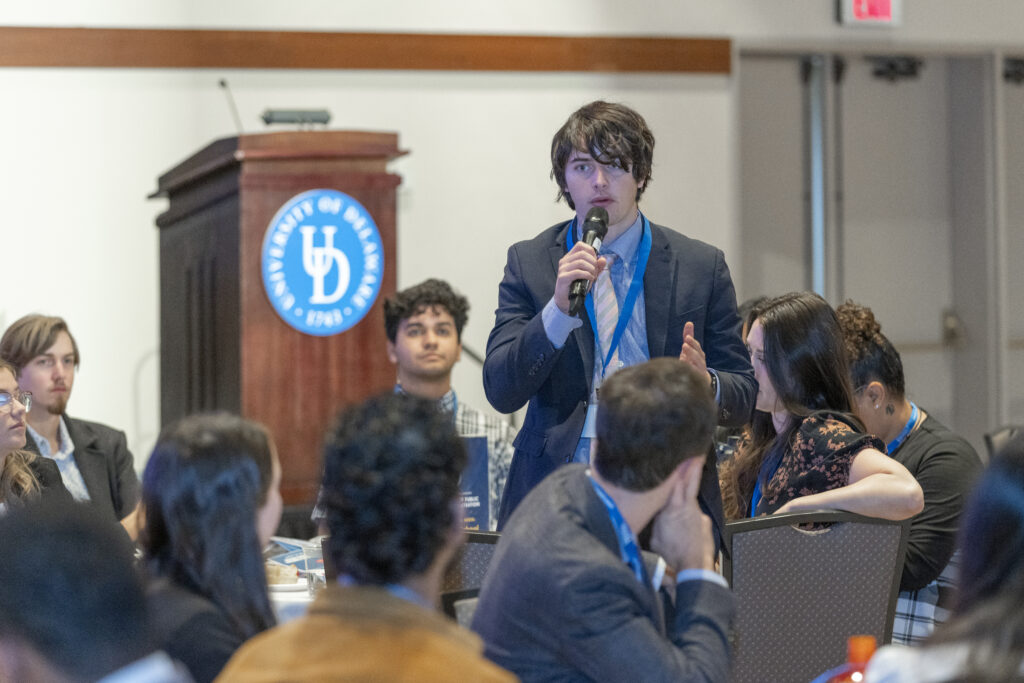
Photo of student speaking at conference.
Casey Scheiner ’28 speaking at a plenary session during the conference

We are proud to share Charlotte Juge ’27 represented Davidson College on a panel during the first day of the event titled, “My Story to Our Story: The Impact on Students’ Lives.” In this session, students shared their personal political backgrounds and discussed the experiences that have shaped their political identities. Charlotte’s thoughtful contribution highlighted the importance of understanding how individual stories influence broader campus dynamics, especially in today’s politically charged environment. Her perspective not only enriched the panel discussion but also showcased the kind of student leadership that the DCI strives to cultivate. By reflecting on how political beliefs are formed and shaped by personal and collective experiences, Charlotte and her peers sparked a deeper conversation about how universities and colleges can create spaces where students feel heard, respected, and empowered to express their views in constructive ways.
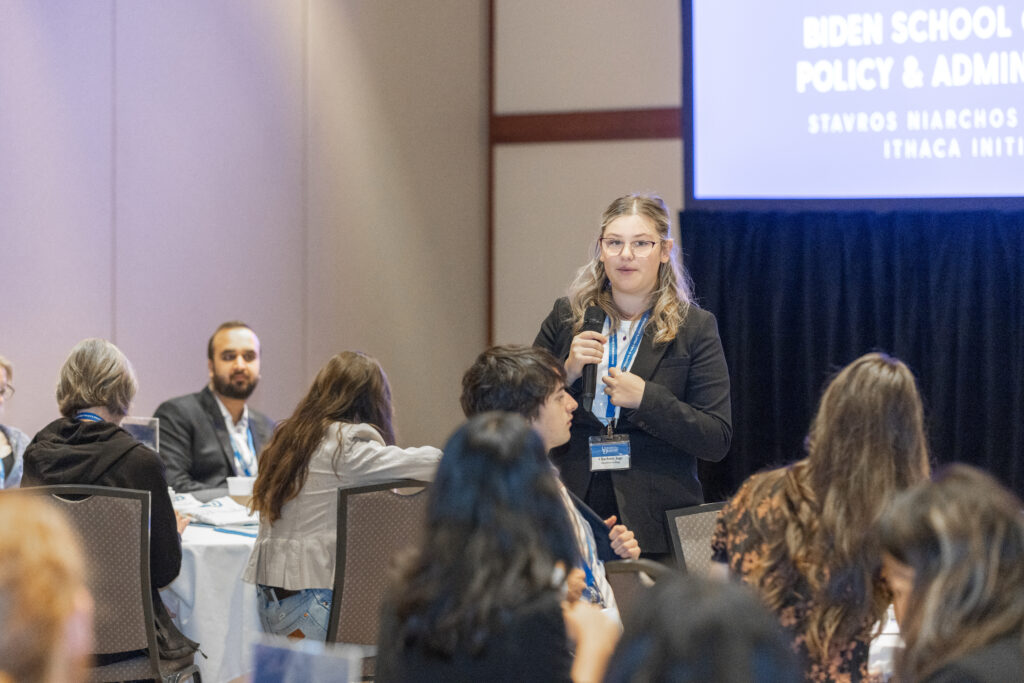
Charlotte Juge ’27 sharing her perspective at the conference

On the second day of the event, students took a hands-on approach to addressing the challenges they had identified on their campuses by workshopping solutions and engaging in stakeholder analysis. In small groups, they brainstormed actionable plans to tackle challenging campus issues. They also identified key stakeholders—such as administrators, faculty members, student organizations, and local community leaders—who could support their efforts. By mapping out these critical contacts, students were able to develop clear strategies for reaching out once they returned to campus, ensuring that they had the necessary resources and support to make meaningful progress in implementing their solutions. This collaborative, strategic approach not only helped students refine their ideas but also gave them the tools to turn their discussions into real-world action.

As staff, it was truly rewarding to be there in support of the DCI Fellows and students from across the country as they worked together to workshop solutions and engage in stakeholder analysis. Watching these students collaborate with peers from diverse institutions was a powerful reminder of the strength that comes from student dialogue. This event provided a unique opportunity for students to exchange ideas, perspectives, and strategies with others facing similar challenges on their campuses, while also learning from different approaches to addressing complex issues. Being part of this process allowed us to witness the students’ growth as leaders, as they not only developed concrete plans for change but also built connections that will support their efforts back on campus. It was inspiring to see them take ownership of the solutions they were creating and to see firsthand how they engaged with the stakeholder process to ensure their efforts could be effective and sustainable.
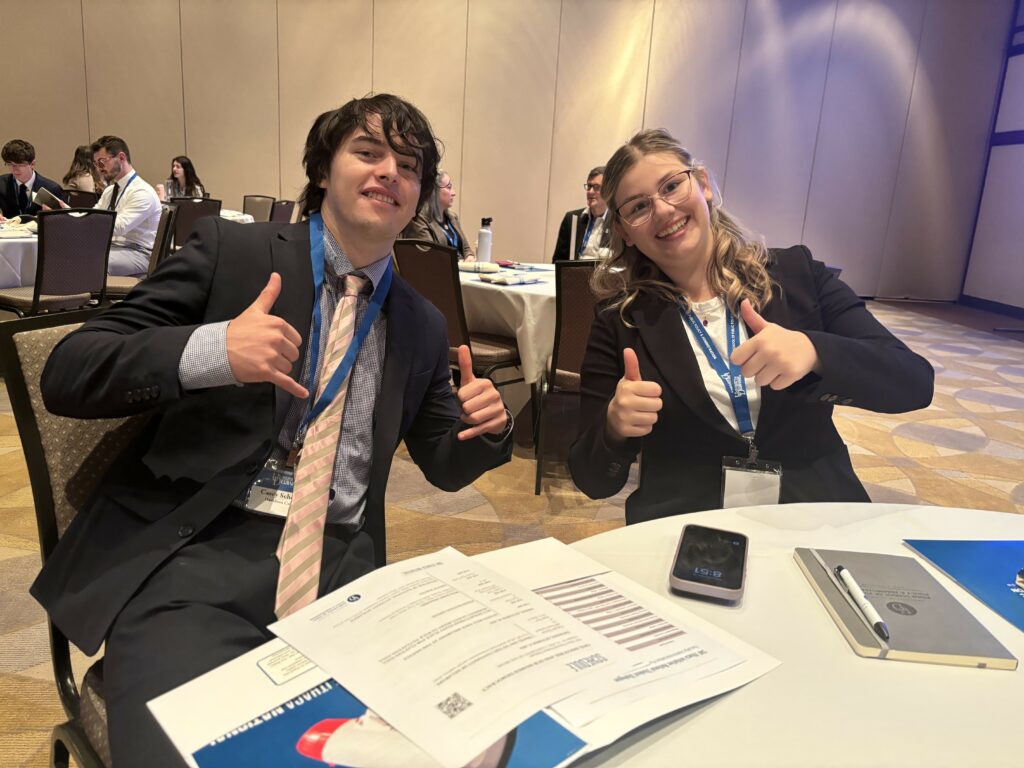
The SNF Ithaca National Student Dialogue was a truly inspiring event, bringing together passionate students from across the country to engage in critical discussions and develop real solutions to challenges on their campuses. It was incredible to see our Charlotte and Casey step up, engaging in difficult conversations with insight and maturity. Their contributions, along with those of their peers, are a powerful reminder of the potential for young leaders to drive change. As these students return to their campuses, we’re excited to see how they turn their collaborative ideas into action. To learn more about the event, check out this article from the University of Delaware that recaps the highlights and impact of the Dialogue.
Filed Under: DCI Posts

How Davidson College Came Together to Discuss the Election Results

November 15, 2024 by Willow Paul

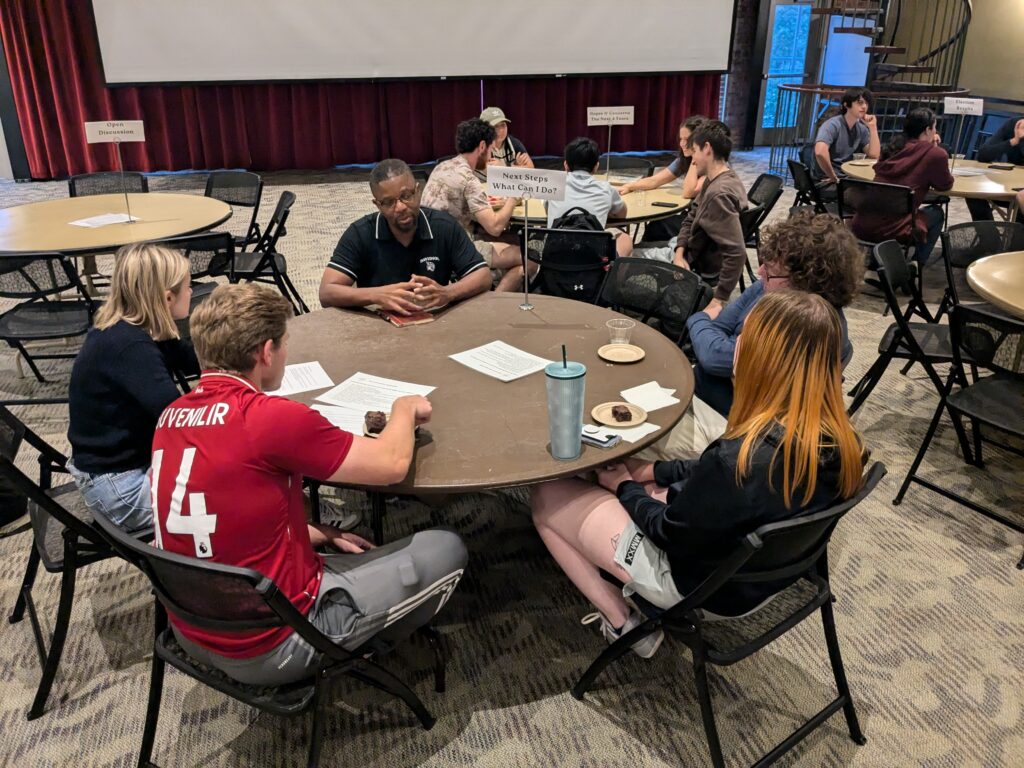
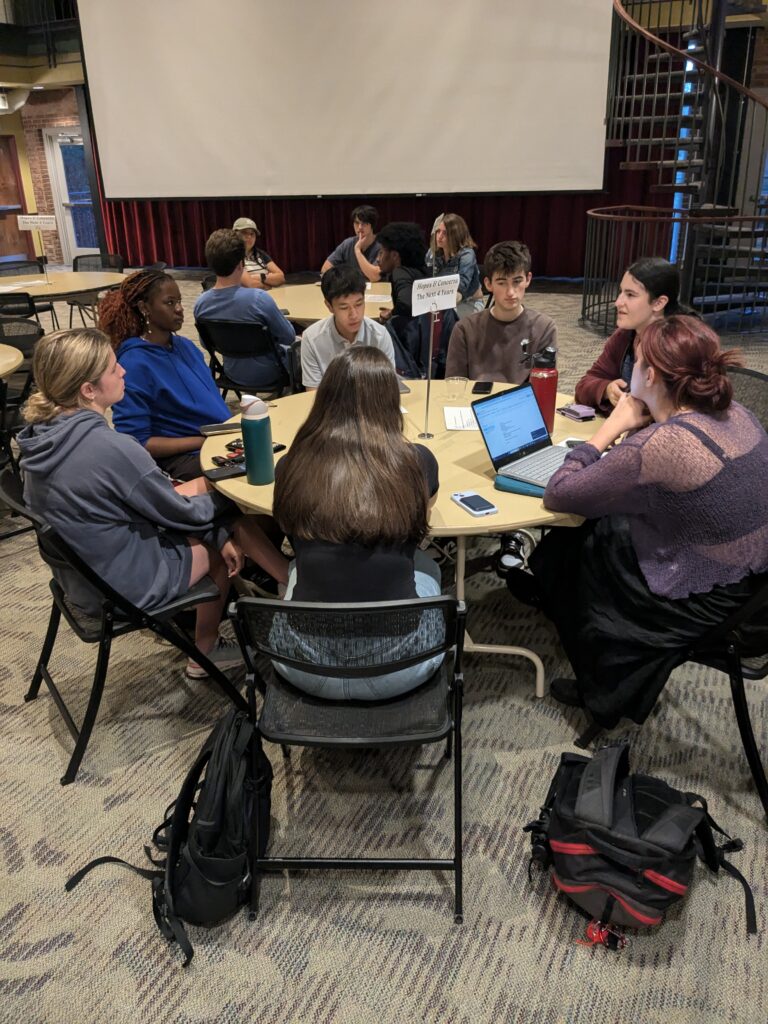
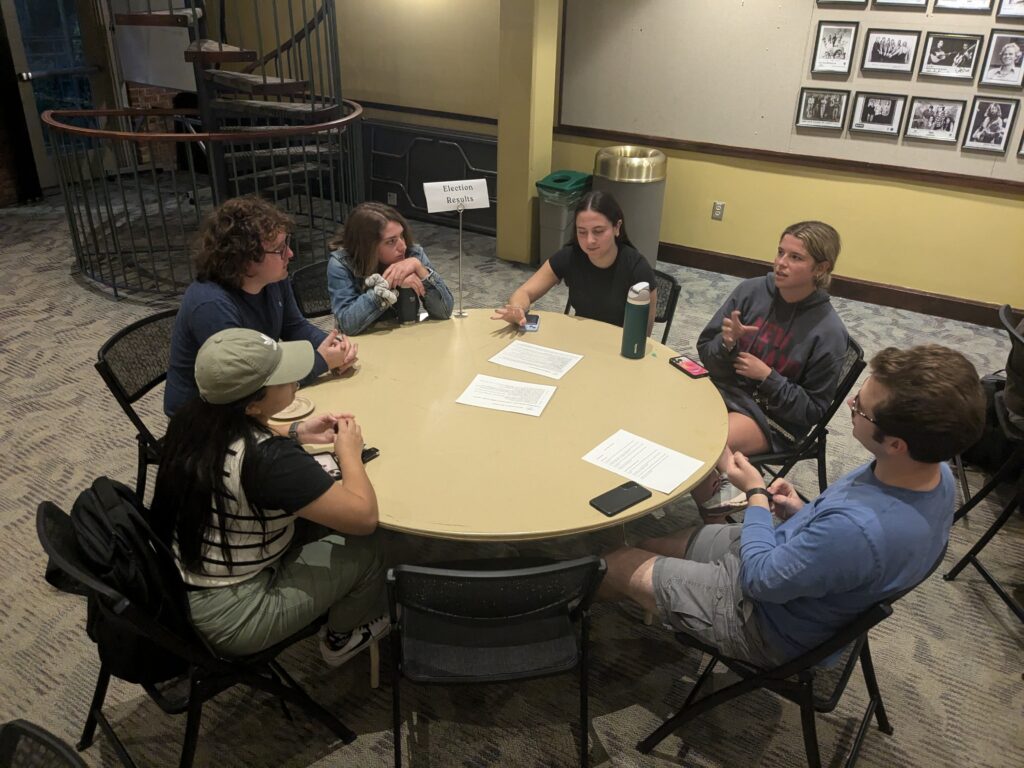
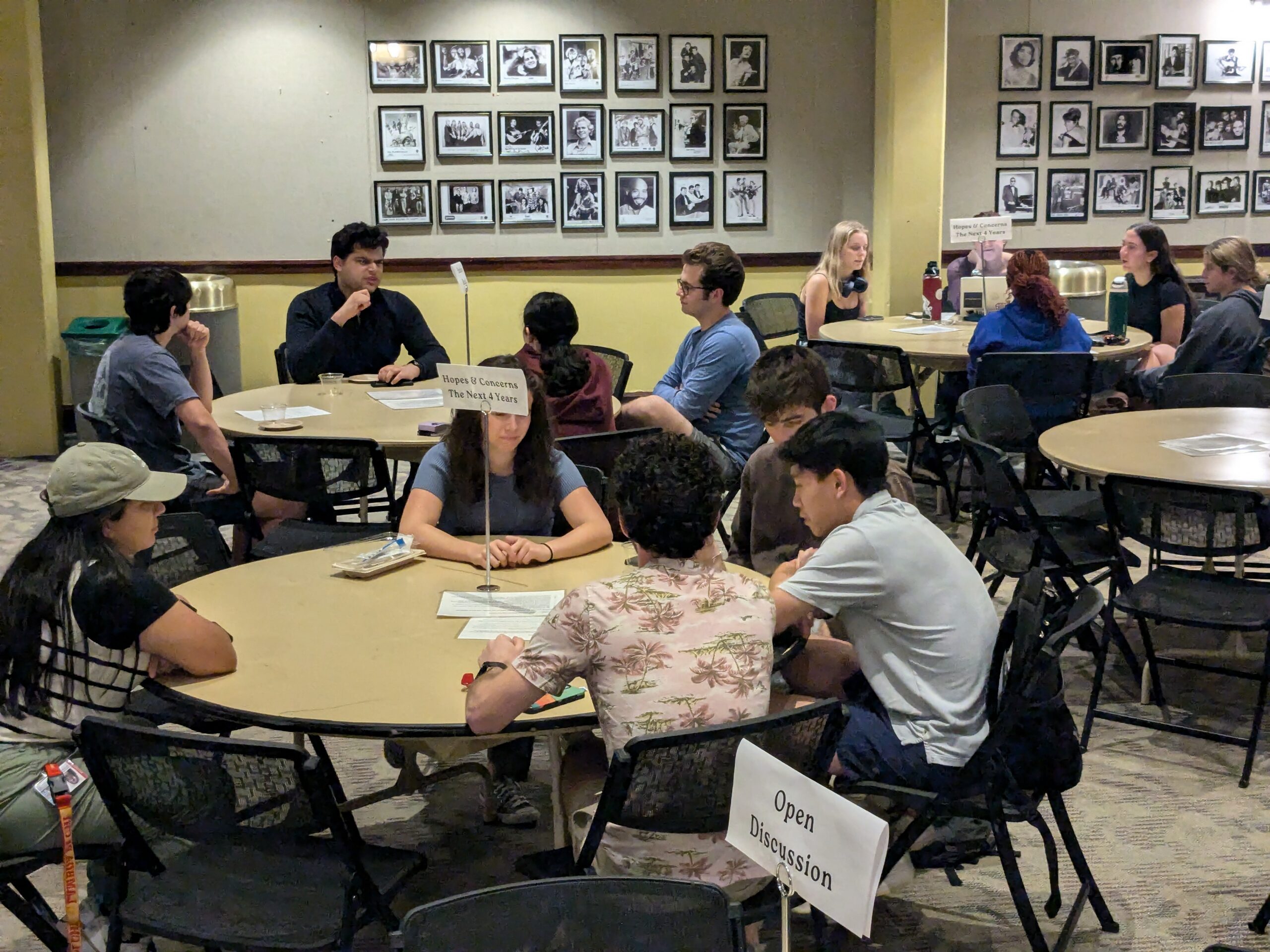
Students discussing around tables

The day after the 2024 Presidential election, the Deliberative Citizenship Initiative (DCI), in collaboration with the Dean of Students Office, the Communication Studies Department, the Political Science Department, and the Center for Political Engagement, hosted an event aimed at helping students process the election results in a constructive and thoughtful way. The goal was simple: to create a welcoming, open space for students to voice their reactions, questions, and hopes and concerns for the future, no matter the outcome of the election.

The event took place in the Union, where around 25 students from across the political spectrum gathered in Room 900 to engage in a conversation about the election results and what the next four years might hold. At one table, the Presidents of the College Republicans and College Democrats — who had worked together to organize the Eu-Phi Debate — engaged in a respectful discussion of the results with each other and other students. At other tables, both American and international students also shared their different perspectives on the election together. As the results were still fresh, emotions were running high, and there was an understandable need to come together to reflect, discuss, and strategize for the future. What made this event wasn’t just the opportunity to talk about politics—it was the semi-structured, deliberative approach to the conversation that allowed students to engage in meaningful dialogue, no matter where they stood politically.

The Process: Creating a Productive Space for Dialogue

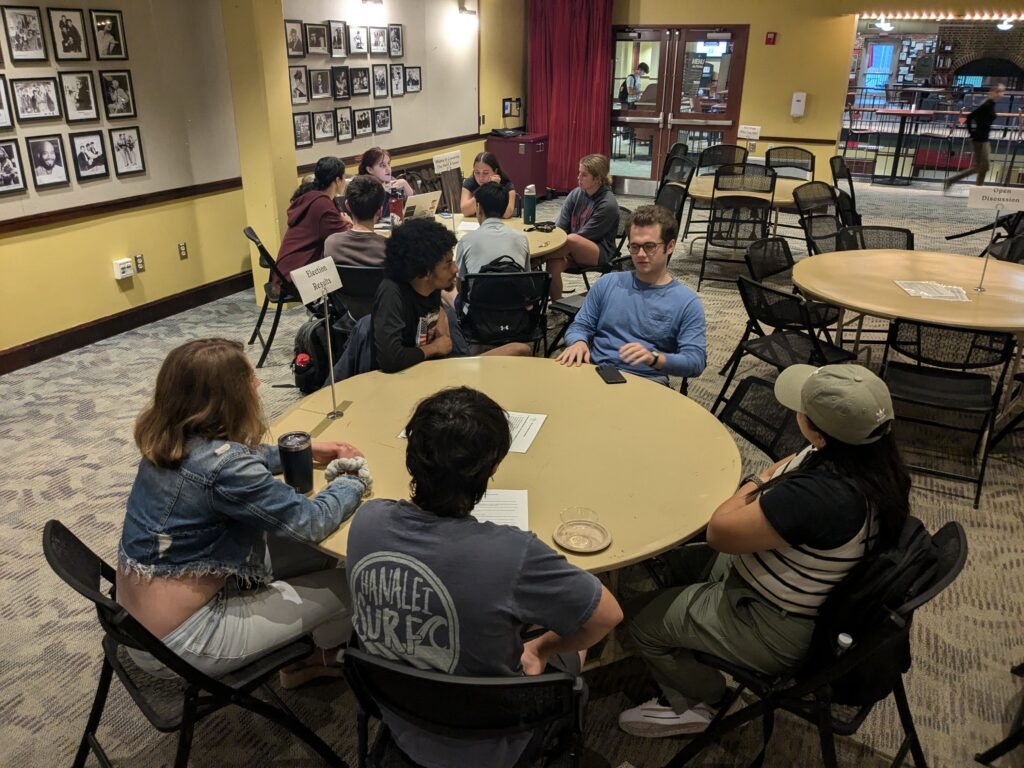
To ensure that the event was both inviting and productive, the organizers used a structured approach to facilitate conversation. Each table in the room was dedicated to a specific theme or topic, such as election results, hopes and concerns for the next four years, next steps – what can I do?, and an open discussion table. Facilitators, trained by the DCI, were present at each table with guiding questions and ground rules to keep conversations on track and ensure that everyone’s voice was heard. 

The event was designed to allow participants the freedom to either stay in their current group and continue discussing the topic at their table, or to move to another table and explore a new theme with fresh faces. Some chose to stay, diving deeper into their original conversations, while others embraced the opportunity to engage with different perspectives, expanding their understanding of the broader issues at play.

The idea for the event came out of conversations between Graham Bullock, Associate Professor of Political Science and Faculty Director of the DCI, and Ike Bailey, Professor of the Practice in Communication Studies. Professor Bullock and Professor Bailey both agreed that it would be helpful to provide a space the day after the election for members of the Davidson community to reflect on the results and status of the election, whatever they might be.

At the event, Professor Bailey participated in conversations with the students while Professor Bullock provided guidance and time checks for the participants, ensuring that they were able to engage in ways that were most meaningful to them. More specifically, participants had the option to stay at their current table for each round or explore other topics with new people. This flexibility in format—where participants could both continue conversations or seek new ones—allowed for diverse and dynamic exchanges, reflecting the range of emotions and thoughts people experienced following the election.

Students and Professor Bailey discussing around tables

Creating Space for Reflection and Action

In the days following any election, particularly a contentious one, it’s common for individuals or groups to feel anxious, fearful, or even hopeless about the state of American democracy. These emotions can be amplified by the divisiveness of modern political discourse, leaving many feeling uncertain about the future. Our event aimed to provide a space for students to both express those feelings as well as explore how they might act on them. The goal wasn’t just to reflect on the election results, but to help participants channel their emotions into constructive conversations about next steps, once they felt ready to do so.

Research on deliberation has shown that such deliberative discussions can strengthen political efficacy, meaning that people feel more empowered to act within the political system (Fishkin, 2009). With this in mind, the event provided participants not only with the opportunity to express their hopes and concerns, but also a space to consider concrete ways to get involved and make a difference in their communities in the aftermath of the election. Whether it was through volunteering, participating in local governance, or engaging in grassroots activism, the conversation enabled participants to turn toward practical steps for fostering the change they want to see in the world. This allowed participants to focus on ways they could contribute to shaping a future they could feel proud of, regardless of their political beliefs.

In many ways, the event echoed the core values of deliberative democracy: a belief in the power of informed, respectful dialogue to create a more engaged, empowered citizenry. Our hope was to help participants leave with a renewed sense of agency—no matter their political leanings or the outcome of the election. 

Building a Stronger Democracy, One Conversation at a Time

The day after the 2024 election, the DCI event succeeded in its goal to create a space for students to engage in thoughtful, reflective, and productive conversation. By offering both a space for thoughtful discussion and clear paths forward for those eager to take action, the event highlighted the importance of staying engaged in civic life—beyond just voting—especially during times of political uncertainty. It reminded us that democracy thrives when we actively participate, discuss, and contribute to shaping the future.

In the days following an election, it is easy to feel disheartened or disconnected from the democratic process. While it is important to give everyone space and time to either celebrate or grieve the results of hard-fought elections, events like this one can also remind us that democracy is not just about casting a vote—it requires us to stay engaged, have difficult conversations, and take steps, however small, to contribute to the well-being of our communities and society. Whether students left the event feeling heard, understood, motivated, or more informed, the most important takeaway was that they had a chance to participate in a meaningful dialogue that reaffirmed their role in shaping the future.

Thank you to all who attended, and we look forward to continuing important conversations about the challenges and opportunities we all face in the months ahead.

Resources

Fishkin, J. (2009). When people speak: Deliberative democracy and public consultation.Oxford University Press. 

Filed Under: DCI Posts, Events

Bridging Theory and Practice: Reflections from the Fall DeeP Collaborative Panel

October 25, 2024 by Willow Paul

On Friday, September 27, an engaged group of 20 faculty members, professional staff, and community members from various universities and colleges gathered for the Fall 2024 DeeP Collaborative Panel to explore the integration of deliberation into higher education classrooms. Professors Jason Blum (Davidson), Yingling Liu (North Central College), and Mindy Adnot (UNC Charlotte) shared their insights and experiences as part of the Deliberative Pedagogy (DeeP) Collaborative. 

These educators are not only experts in their fields—Writing, Sociology, and Honors Program Leadership—but they also bring a wealth of experience in fostering discussions around complex topics in their classrooms. Each panelist discussed their unique approaches in courses such as Religion in the Public Square, Introduction to Sociology, and Labor, Leisure, Learning, and a Good Life.

To start off the event, Graham Bullock, Faculty Director of the Deliberative Citizenship Initiative, provided a brief overview of what constitutes a “deliberative classroom.” Attendees also engaged in discussions on how to implement these strategies in their own teaching practices.

Here is what our panelists had to say about their involvement in the DeeP Collaborative: 

“[The] DeeP Collaborative is really great for bringing new stuff into the classroom.  No matter where you are, in disciplinary terms, I think it can be super useful.” – Jason Blum

“The training, the reading, the materials were great, the cohort, and the exposure to other people’s pedagogical ideas and innovations. It was all wonderful.”  – Mindy Adnot

“I will say my experience was very rewarding and given that I wasn’t sure  how it was going to play out with my school situation. I think it all worked out well. I would definitely recommend to others.”  – Yingling Liu

Are you a faculty or professional staff member eager to enhance deliberative practices within your courses? We invite you to explore our DeeP Collaborative program, designed to empower educators like you to cultivate meaningful discussions and engagement among students. This is a fantastic opportunity to deepen your skills and transform your teaching methods. Be sure to keep an eye out for next year’s application process; we would love to have you join us in this initiative. Your involvement can play a crucial role in fostering a more interactive and thoughtful learning environment that benefits both you and your students.

Due to inclement weather associated with Hurricane Helene, the panel was held online over Zoom. You are welcome to check out the recording of the event below.

Filed Under: DCI Posts, Events

Democracy in Action: Mark Your Calendars for the Phi-Eu Debate!

October 8, 2024 by Willow Paul

The highly anticipated debate between the College Democrats and Republicans is just around the corner, and it’s an event you won’t want to miss! Happening only once every four years, this debate promises to be an exhilarating clash of ideas, perspectives, and enthusiasm that will leave a lasting impression. 

Join us for an engaging evening as representatives from both the College Democrats and Republicans dive into a spirited exchange on some of the most pressing issues in American politics today. Covering a wide range of topics—from economic policies to social justice concerns —the debate will enable each side to present their viewpoints and engage in discussion. In keeping with the tradition of past Phi-Eu debates, this year’s event will take place from the balconies of Phi and Eu Halls, building on the legacy of the college’s first debate societies that date back to the 1800s.

What makes this year’s debate particularly special is the inclusion of audience participation. After each round of the debate, attendees will have the chance to engage in respectful discussions with one another guided by the DCI’s trained facilitators. In an atmosphere of respectful dialogue, insightful debate, and constructive deliberation, you’ll be able to ask questions about the topics being debated, share your own perspective on them, and listen to the ideas of others also attending.

Whether you’re a political advocate or just interested in hearing different viewpoints, this debate offers a unique opportunity to witness democracy in action and gain valuable insights from across the political spectrum.

2024-Phi-Eu-Hall-Debate

Mark your calendars for Friday, October 18th, when we’ll gather in front of Eumenean and Philanthropic Halls from 5:00 PM to 7:00 PM EST. Bring your friends and get ready for an evening filled with thought-provoking discussions and engagement. This is more than just a debate; it’s a chance to be part of an important moment in American history, where your voice can be heard alongside those of your peers and fellow citizens.

Don’t let this opportunity pass you by! Be there to witness the exchange of ideas, share your thoughts, and become an active participant in the vibrant political discourse on campus. Click here to RSVP. We look forward to seeing you there!

Filed Under: Announcements, Events

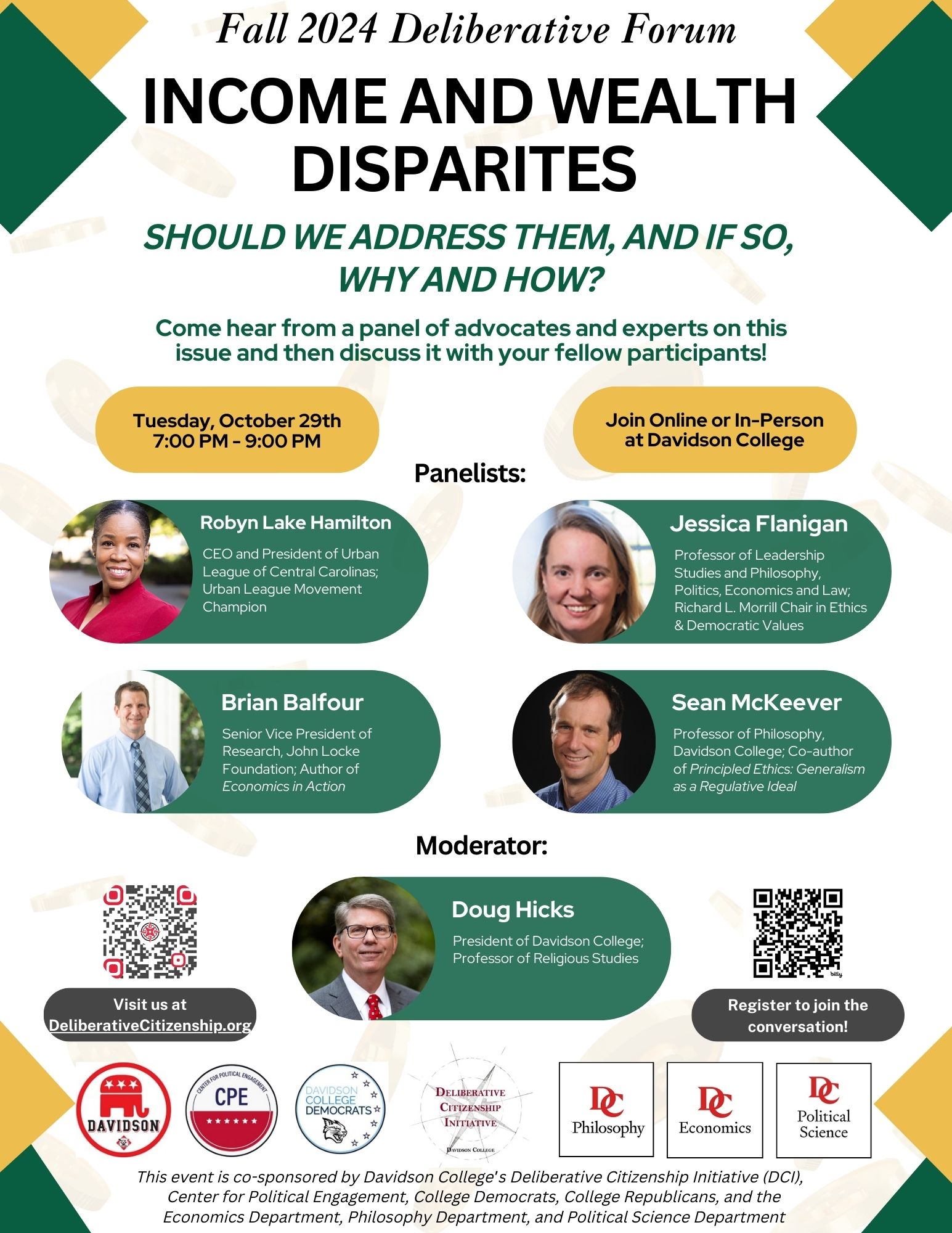
A Deliberative Forum on Income and Wealth Disparities

September 27, 2024 by Willow Paul

Poster for Income and Wealth Disparities Forum.

Income and wealth disparities are a prominent topic in American politics that raise important philosophical and policy questions. Should we address these inequalities? If so, why and how? Should a just society allow or encourage the accumulation of individual wealth? What are the potential benefits and risks associated with policies such as increased taxation on the wealthy, universal basic income, or a higher minimum wage that are designed to reduce income and wealth disparities? 

To explore these questions, Davidson College’s Deliberative Citizenship Initiative, Center for Political Engagement, College Democrats, College Republicans, Philosophy Department, Political Science Department, and Economics Departments, invite you to join us for a Deliberative Forum on Income and Wealth Disparities on Tuesday, October 29, from 7 PM to 9 PM ET at the Lilly Gallery or online. 

This Deliberative Forum will enable participants to actively engage with this important issue, first by hearing from a panel of experts and advocates with diverse perspectives on the topic. Then participants will actively deliberating with one another in facilitated small group discussions (either in person or virtually) about these questions. This is a fantastic opportunity to learn from experts, listen to the viewpoints of others, and share your own ideas about this challenging and complex topic.

The event is free but registration is required. Click here to register. We request that all registrants plan to attend both the panel and the small group discussions, which are designed to complement each other. Participants may join both in-person and online. Spaces are limited due to the number of trained DCI facilitators we have available to moderate the small group discussions. The Zoom link will be sent to online participants after they register.

Our panel features the following experts who hold a range of perspectives on the topic of the forum. They include: 

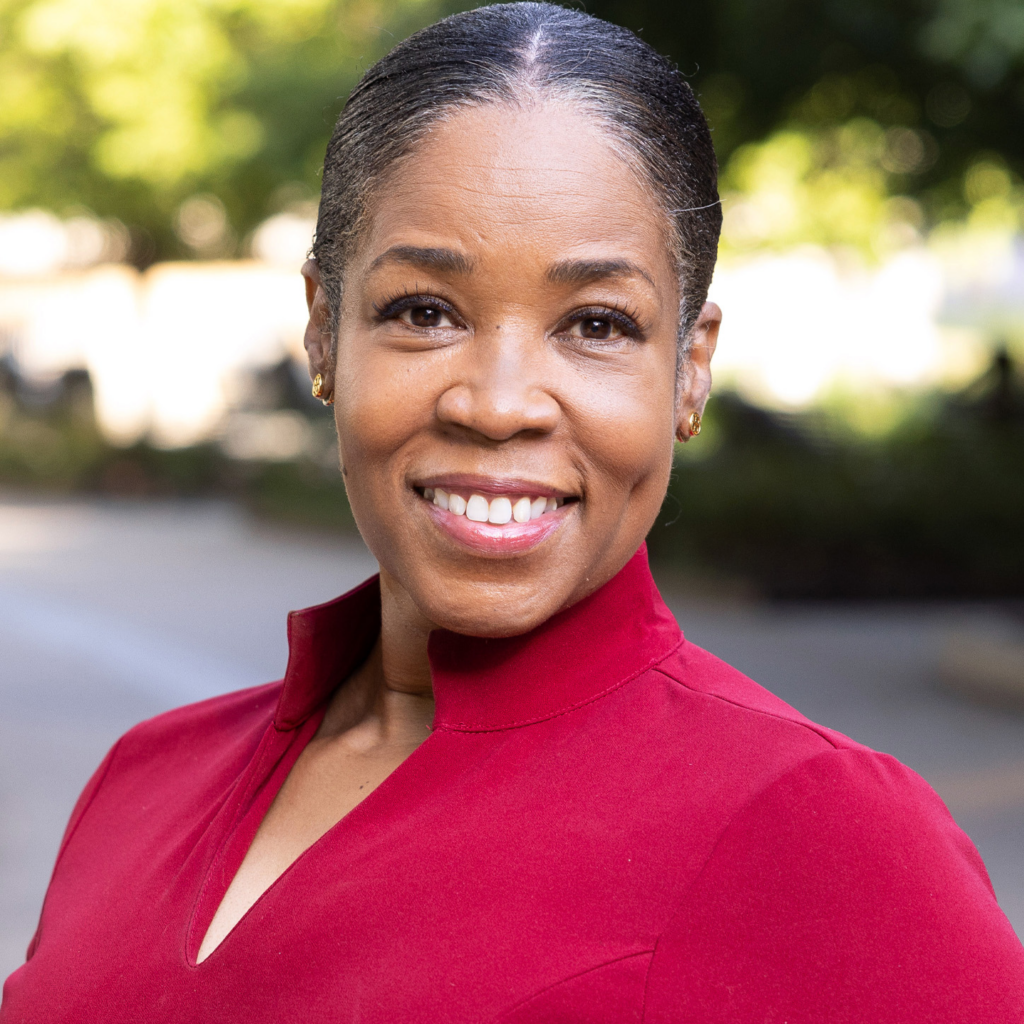
Robyn Lake Hamilton is the CEO and President of the Urban League of Central Carolinas, which is on advocating for and equipping African Americans and all underserved communities with the tools to achieve social and economic equality. Hamilton was recognized in 2024 with the Urban League Movement Champion Award for her leadership in housing and community development. 

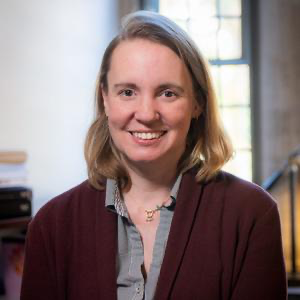
Jessica Flanigan is Professor of Leadership Studies and Philosophy, Politics, Economics and Law, Richard L. Morrill Chair in Ethics & Democratic Values at the University of Richmond’s Jepson School of Leadership Studies. Co-author of “Wealth without Limits: In Defense of Billionaires,”  Flanigan has published in a wide range of academic journals and is a proponent of effective altruism. 

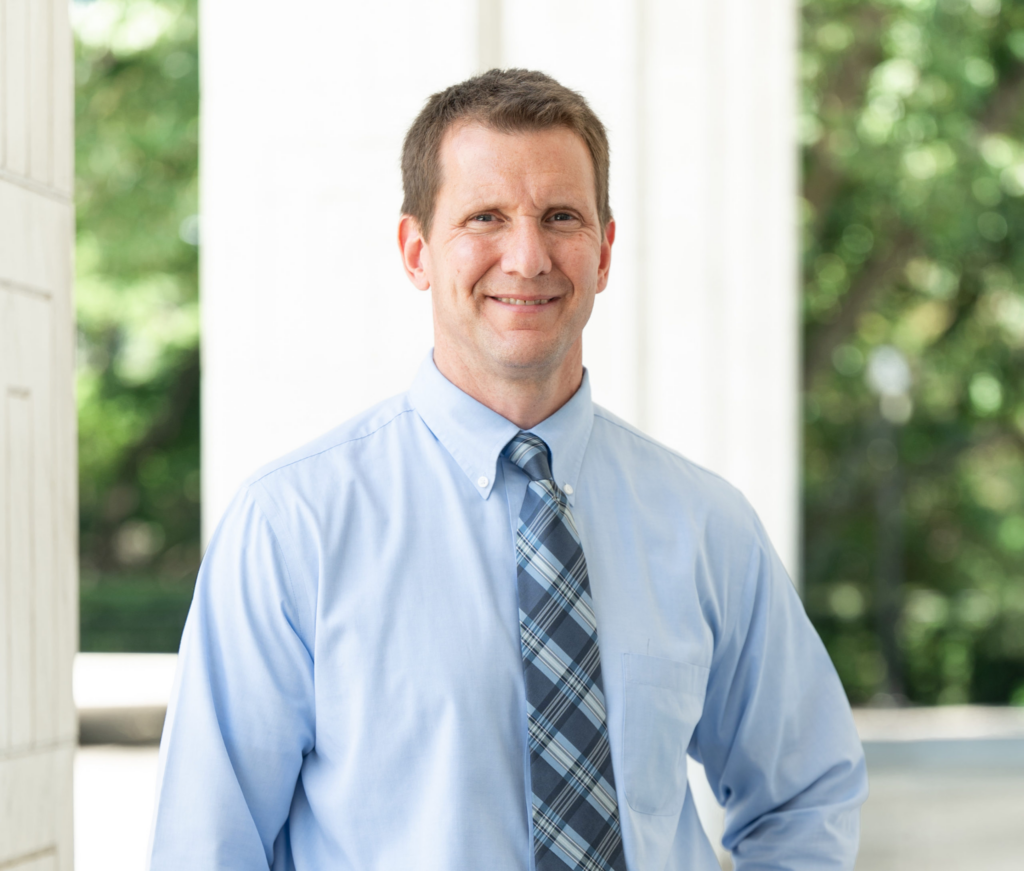
Brian Balfour is Senior Vice President of Research at the John Locke Foundation. Balfour previously worked for the Civitas Institute for 13 years and specializes in fiscal policy issues. He is the author of the book “Economics in Action” and articles including “Higher Taxes Doesn’t Guarantee Better Services” and “Markets, Not Politics, Are the Real Problem Solver.”

Sean McKeever is Professor of Philosophy at Davidson College, where he has been a faculty member since 2005. He holds a PhD in philosophy from the University of North Carolina at Chapel Hill. Co-author of the book, Principled Ethics: Generalism as a Regulative Ideal, McKeever’s academic focus is primarily in ethics, including topics such as metaethics and normative ethics.

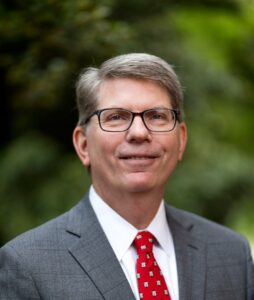
Doug Hicks Photo

The panel will be moderated by Doug Hicks, President of Davidson College and Professor of Religious Studies. President Hicks has a longstanding interest in income inequality, one of his nine books, published by Cambridge University Press, is Inequality and Christian Ethics. Hicks received an AB degree magna cum laude with honors in economics from Davidson, a Master of Divinity summa cum laude from Duke University, and MA and PhD degrees in religion from Harvard University.

This event is a chance to dive deep into pressing questions about economic inequality, hear from diverse panelists, and engage in lively discussions with fellow participants. Don’t miss this opportunity to contribute your voice and insights on such an important topic. Click here to register, and we look forward to an engaging evening together!

Filed Under: Announcements, Events

  • Page 1
  • Page 2
  • Page 3
  • Go to Next Page »

Footer

Blog Post Categories

  • Announcements
  • Blog Posts
  • DCI Posts
  • Events
  • Faculty Posts
  • Fellow Posts
Image of a compass superimposed by the text "Deliberative Citizenship Initiative" and "Davidson College." Clicking on this image leads to the Initiative page.

Recent DCI Blog Posts

  • We Tried to Fix Jubilee’s “Middle Ground” – Here’s How It Went
  • A Case for Deliberation in the Natural Sciences
  • Welcoming New Staff to the DCI and DCN
  • Facebook
  • Twitter
  • Instagram
  • LinkedIn


Copyright © 2026 · Infinity Pro on Genesis Framework · WordPress · Log in