• Skip to main content
  • Skip to footer

Deliberative Citizenship Initiative

Building Democracy One Conversation at a Time

  • The Initiative
    • Programs
      • Deliberation Across the Curriculum
      • Deliberation on Campus
      • Deliberation in the Community
      • Research on Deliberation
    • Motivations
      • Why Deliberative Citizenship?
      • Why Davidson? Why Now?
    • Who’s Involved?
      • DCI Fellows Cohorts
        • 2025-2026 Fellows
        • 2024-2025 Fellows
        • 2023-2024 Fellows
        • 2022-2023 Fellows
        • 2021-2022 Fellows
        • 2020-2021 Fellows
      • DeeP Collaborative Cohorts
        • 2024-2025 DeeP Collaborative Faculty
        • 2023-2024 DeeP Collaborative Faculty
      • Advisory Council
    • History
      • What Sparked the Initiative?
    • Key Deliberative Dispositions
    • Frequently Asked Questions (FAQ)
    • Annual Report
  • Get Involved!
    • Participate in a Forum
    • Join a D Team
    • Become a Fellow
    • Take Courses
    • Get Training
    • Come to Guest Lectures
  • Events
    • Upcoming Events
      • 250th Anniversary Deliberative Forum Series on American Values
    • Past Events
  • Connections
    • The Deliberative Citizen: The DCI’s Monthly Newsletter
    • Efforts on Campus
    • Efforts in the Community
    • Efforts Elsewhere
    • Readings and Resources
      • DCI-Published Guides
      • DCI Guide to One-on-One Conversations
      • How to Disagree
      • Demonstration of Facilitation Styles
      • Deliberative Pedagogy Mini-Course
    • How We Can Help: DCI’s LET’S DELIBERATE! Partnership Opportunities
    • DCI in the News
  • DCI Blog Posts
    • Recent Blog Posts
    • All Blog Posts

Blog Posts

Takeaways from My Spring D Team

August 13, 2024 by Grace Gallagher

Graphic of a laptop. On the screen of the laptops characters are interacting with each other (i.e., talking, giving a high five).

By Grace Gallagher ’26

This spring, the DCI hosted our semester D Teams on a series of education-based topics. Our first meeting focused on Public Schools and School Vouchers, our second meeting on Grades and Standardized Tests, and our third meeting on College Admissions (Affirmative Action, Athlete Admissions, and Legacy Admissions).

As a facilitator, I thoroughly enjoyed my group’s meetings this semester. Each of the three discussions were related and connected to the other meetings, but not so much that they were repetitive. The cohesive topics make the D Team members more confident in their opinions because they developed them throughout three related meetings, leading them to trust each other and open up or be vulnerable. The group members had experience talking to each other and could build on the relationships they had already established.

Additionally, when focusing on education, everyone in my group had the opportunity to share both informative comments and comments reflecting on their personal experiences. My group was comprised of half students and half alums or parents, all of whom provided interesting viewpoints and perspectives. The students could share recent reflections from their grade school, high school, and college experiences, whereas the parents and alums could relate them to their experiences from the past. Additionally, parents and alums could share reflections and points of view from either a parent or career perspective.

Before this spring semester, I had only ever been a part of D Teams in person, both as a facilitator last fall and a deliberator in the Fall of 2022. I went into this experience wishing that my D Team was in-person because of the relationships you can build when actually being in the room with the other deliberators. I was amazed to see what Zoom deliberations can provide in a different way. Having my deliberation on Zoom allowed for people all over to join, providing different perspectives, stories, and experiences. Additionally, being on Zoom allowed my group to have people working in education from different areas who could learn from both their shared experiences and their differences in education, depending on the region. This was valuable to watch as a facilitator as it fostered discussions in directions I had yet to see while facilitating in person.
Filed Under: Blog Posts, Fellow Posts

DCI Fellows Present a Mock Deliberation on Free Speech and Inclusion at the VMC

July 31, 2024 by Graham Bullock Leave a Comment

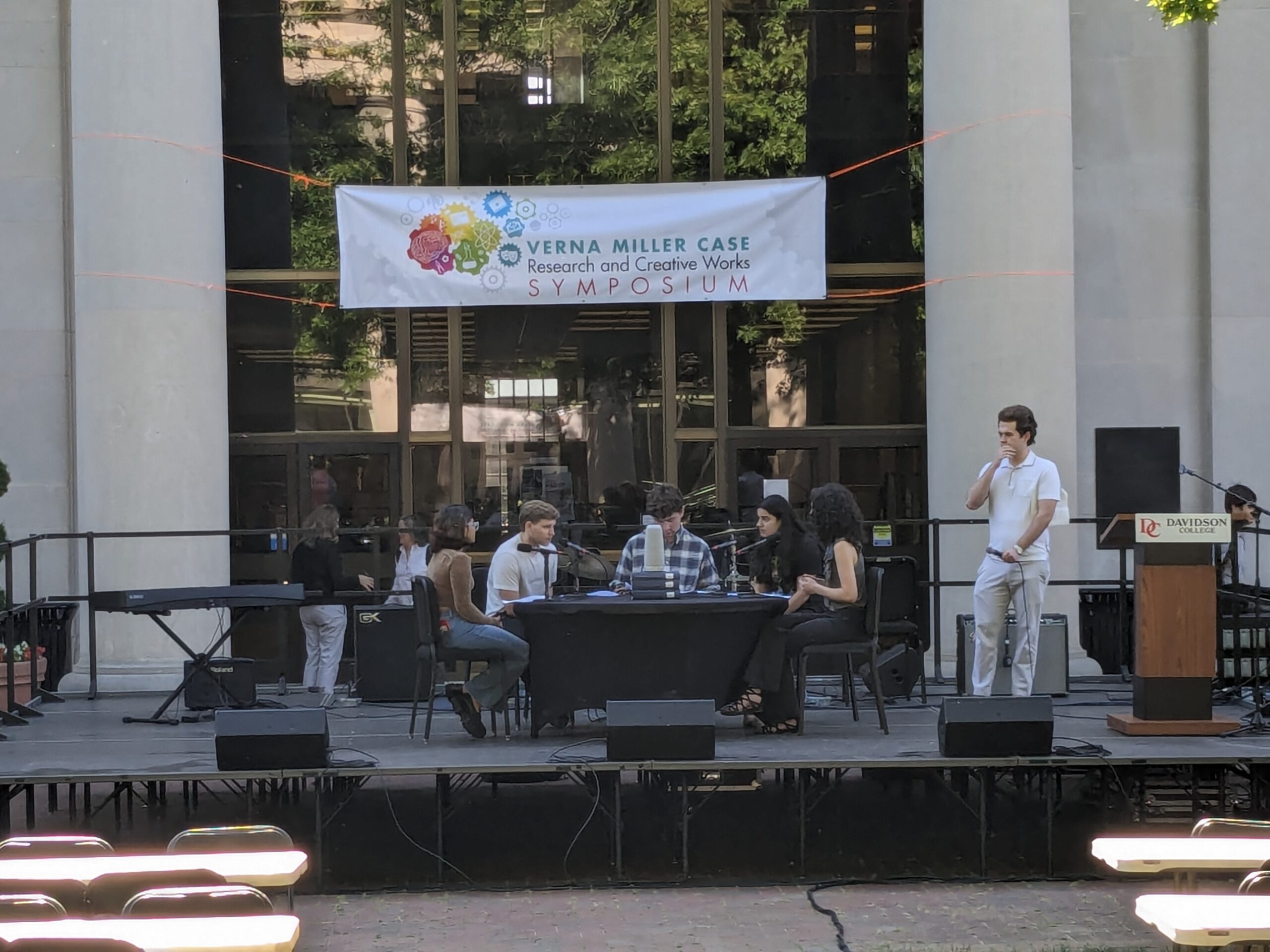
Fellows at VMC Symposium

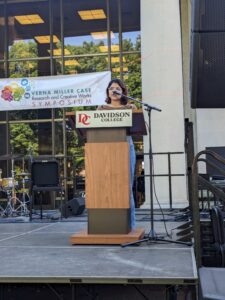
Since its inception, the DCI has participated in Davidson’s daylong celebration of student intellectual achievement called the Verna Miller Case (VMC) Symposium. DCI Fellows have presented posters and given presentations on the work of the DCI, and it has been a great opportunity for them to share their work with the Davidson community.

This year we wanted to do something a little more dynamic and interactive to capture the spirit and ethos of the DCI. And so a team of Fellows got together and designed an hour-long event that actively demonstrated the DCI’s key features and contributions to creating a more deliberative culture on and off campus.

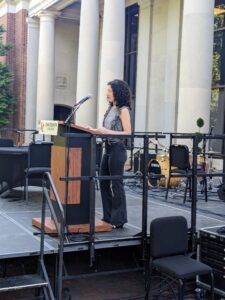
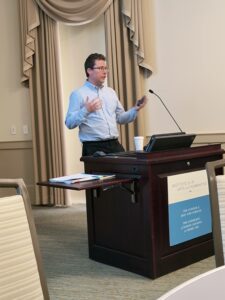
Photo of Mishti Mookherjee standing behind a Davidson College podium, speaking to the public.

It included a mock deliberation on the relationship between free speech and inclusion that highlighted moves that both deliberators and facilitators can make to foster more productive deliberations. The mock deliberation did not shy away from engaging with some of the most contentious aspects of the issue at hand, but tried to demonstrate how we can engage constructively and respectfully with them.

The event also included short summaries by the Fellows about their deliberation projects that they designed on issues important to them personally. It concluded with an opportunity for audience members to deliberate among themselves on a range of different topics.

The event wonderfully displayed the range and depth of deliberation that the Fellows engaged in and the set of skills they learned over the course of the 2023-24 academic year. It nicely complemented the other types of amazing work highlighted by the Symposium that Davidson students engage in on campus, from research in the social sciences, natural sciences, and humanities to achievements in the performing and visual arts to collaborations with local communities and organizations on pressing social challenges.

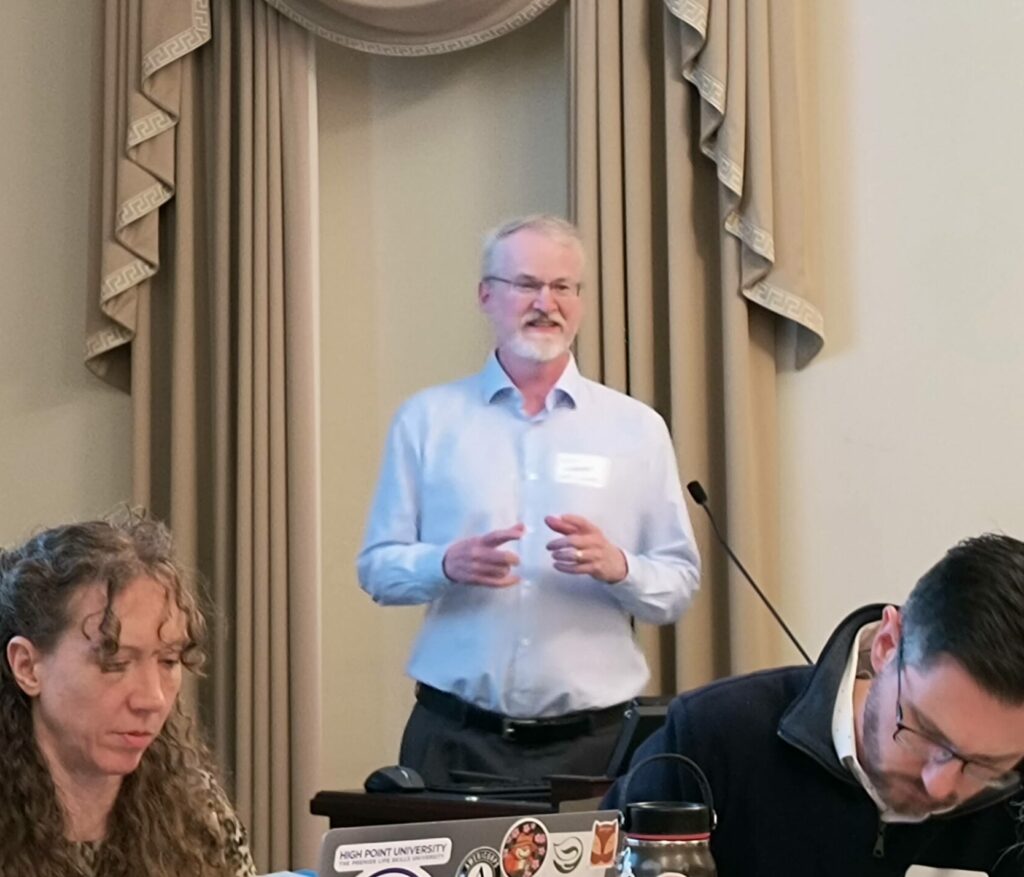
Laegan Smith speaking.

In many ways, the DCI brings together these different threads of the liberal arts – rigorous research, creative work, and civic engagement – and applies them to the critical project of fostering constructive conversations across differences on issues that matter deeply to our society.

Check out the video highlights of the DCI’s symposium event below. It features an introduction to the Deliberative Citizenship Initiative by DCI Senior Fellow and Co-Convener Laegan Smith ’24 followed by a mock deliberation featuring Laegan, Stephen Walker ’26, Emre Guvenilir ’25, Auden White ’26, Mishti Mookherjee ’27, and Arshi Hussain ’26. These and other DCI Fellows then introduce their personal deliberation projects. Check it out – it’s a great way to learn about the incredible work that Davidson students are doing as part of the DCI.

Filed Under: Blog Posts, DCI Posts, Events, Fellow Posts

A True Capstone Experience: The DCI Fellows’ Personal Deliberation Projects

July 12, 2024 by Graham Bullock

Capstone above a training and discussion

For the past four years, one of the highlights of the DCI’s Fellows Program has been the opportunity for students to develop their own personal deliberation projects. After going through intensive training in how to facilitate contentious conversations and then serving as a facilitator of the DCI’s D Teams and Deliberative Forum discussions, the Fellows apply their skills to designing and hosting conversations on topics of personal interest to them. They select their topics and begin developing their project plans in the fall semester, and then revise and implement those plans in the spring semester.

DCI staff provide feedback to the fellows on their ideas and suggest relevant resources throughout the process, but these projects are very much the fellows’ own initiatives. They are responsible for identifying the topic, developing their deliberation guide, recruiting participants, finding a time and space for their discussion, and hosting it themselves. The Fellows very much appreciate this autonomy and independence they have in developing their projects. It enables them to demonstrate the full range of skills they have learned over the course of their year as a Fellow, discover the challenges and pitfalls of designing and implementing these types of conversations, and experience the joy of bringing people together to discuss hard topics and strengthen their own deliberative muscles.

The sections below summarize each of the seven projects that the 2023-24 cohort of Fellows implemented this spring. Some Fellows worked together while others worked independently; their topics included equitable industrialization, humor, the moral obligation to stay informed and act on international issues, Davidson’s reckoning with its history related to race and slavery, transgender medical policies, repatriation and ownership in art history, and election issues.

DCI Fellow Student Profile Image

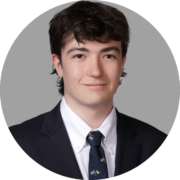
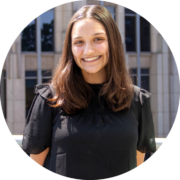
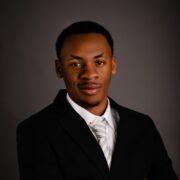
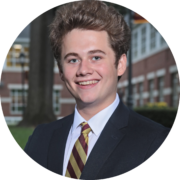
For her personal deliberation project, Atyantika Mookherjee ’27 hosted a deliberation on the topic of equitable industrialization. The deliberation focused on the arguments for and against increased aid from developed countries to developing nations to promote sustainable development and what specifically this aid should look like. The deliberation was held via Zoom for 11 participants, all of whom had significant involvement in sustainability and climate action non-profit work. Through thoughtful discussion, participants explored the complexities of increased aid allocation, considering its potential benefits and challenges, and left with a deeper understanding of the importance of targeted aid strategies tailored to the specific contexts of each nation.

DCI Fellow Student Profile Image

In collaboration with Dr. Silvi Toska, an Assistant Professor of Political Science at Davidson, Florian Moser ’26 facilitated a deliberation on whether we have a moral obligation to stay informed and act on international crises. The event, which was held in the Commons Annex Dining Room and included lunch, included seven students who had never participated in a DCI event before. The conversation delved into topics such as climate change, critical engagement in media consumption, individual versus collective responsibility for political action, and ways to resolve conflicts between the individual costs and collective benefits of staying informed about international political issues.

DCI Fellow Student Profile Image

Zoe Moseley ’26 and Declan O’Donoghue ’26 focused their deliberation project on humor and what is allowed to be funny, who is allowed to make what jokes, and where are they allowed to be made. To prepare their deliberation guide, Zoe and Declan met with Davidson College faculty, a professional comedian, and a number of student comedians. Specific questions discussed included: Do the standards of appropriateness change when the joke is in writing vs a TV show, movie, TikTok, comedy special, etc? If certain subjects are unsuitable for humor, do these standards change depending on the comic? Questions like these were intended to get to the core of the debate around humor under the larger umbrella of speech and harm. Utilizing the creative freedom afforded to them in developing their project, Zoe and Declan incorporated video clips of stand-up comedians into their deliberation guide. These short clips provided critical examples that fit each subsection they discussed. Eight students attended the deliberation with a wide range of opinions and experiences with humor and included a stand-up comedian. Zoe and Declan are interested in potentially hosting more discussions on this topic and continuing to develop innovative formats for the DCI’s deliberation guides.

Profile Image of LJ.
DCI Fellow Student Profile Image

Stephen Walker ’26 hosted a deliberation on the question of how Davidson should, if at all, change or continue the steps it has been taking to engage its history with race and slavery. The event was held in Chambers on Wednesday, April 24th from 6:00 PM to 7:30 PM. A wide range of groups were invited to conversation, and seven students from different backgrounds participated in the deliberation. LJ Philips ’25, a DCI Senior Fellow and Student Co-Convener, worked with Stephen in designing the deliberation and was a participant as well. The discussion covered the renaming of Chambers and the arguments for and against that decision, and the participants shared which arguments they agreed with and why. The second half of the discussion addressed the statue the college is planning to build to memorialize enslaved/exploited persons and the participants’ feelings about it. The deliberation concluded with the DCI’s standard final reflection section that helped tie the discussion together.

DCI Fellow Student Profile Image

DCI Fellows Arshi Husain ’26, Logan Jain ’26, and Monty Krakovitz ’25 hosted a deliberation on “Transgender Medical Policies in the US.” This deliberation took place on the 17th of April in the Sprinkle Room from 7–9pm. Including the three facilitators, there were 15 participants at the deliberation who were members of several on-campus student organizations: Queers & Allies, Davidson Republicans, Davidson Democrats, Davidson Libertarians, YANASH, and Free Speech Alliance. The Fellows wrote and shared a deliberation guide that included information and background on three different perspectives: 1)Transgender medical treatment should be permitted for all ages, 2) Transgender medical treatment should be restricted for all ages, and 3) Transgender medical treatment should be permitted for adults only. Deliberators had the chance to discuss all three perspectives and the range of arguments for and against each perspective.

DCI Fellow Student Profile Image

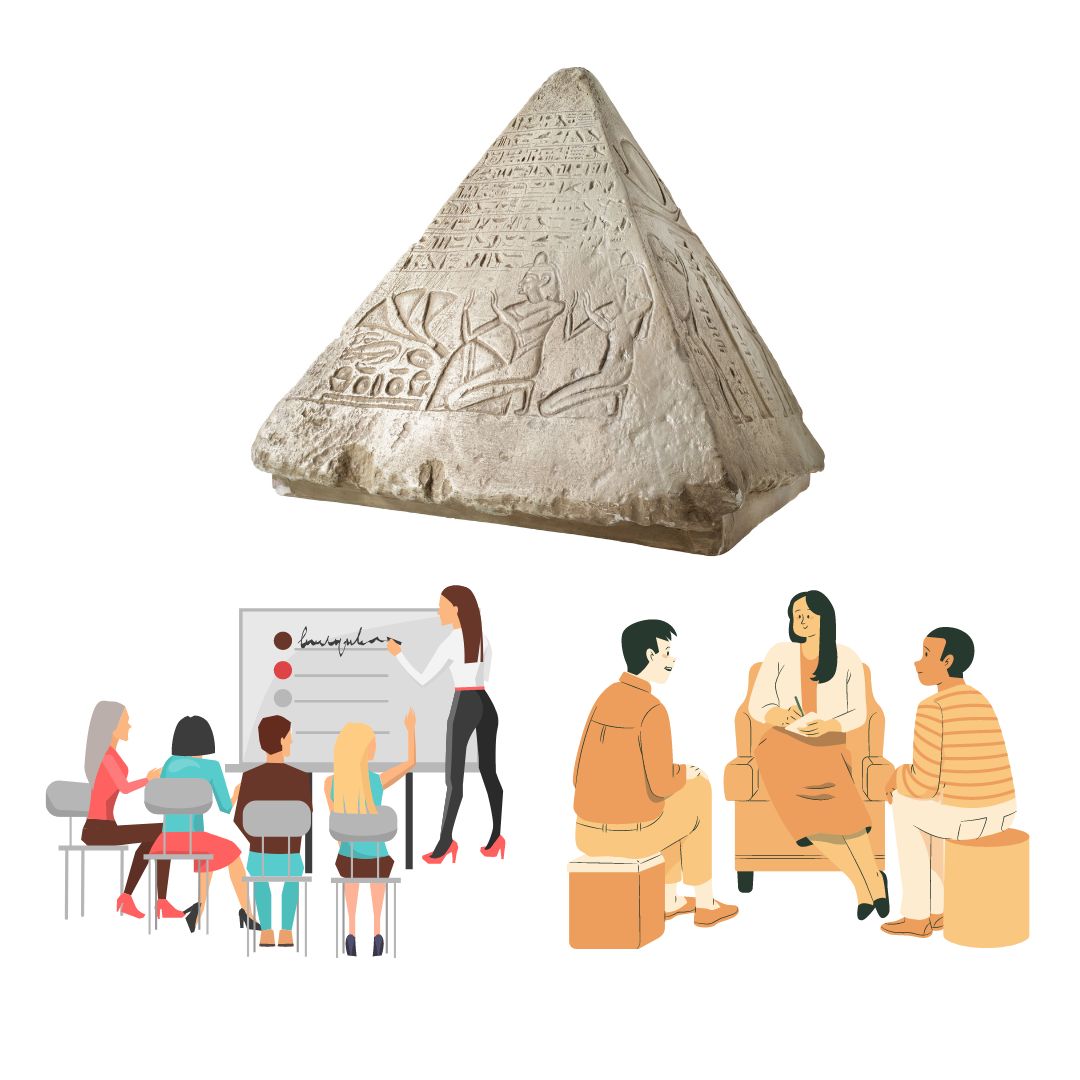
Grace Gallagher ’26 organized a deliberation focused on “Repatriation and Ownership in Art History.” Deliberators discussed three case studies: the Benin Bronzes, the Elgin Marbles from the Parthenon, and the looting of the city of Samarra in Iraq. Her discussion was held on April 22nd from 11-12 in the Commons Annex Dining Room. The seven participants who joined the conversation were students with interests in art history and museum studies. Before the discussion, Grace met with several art history professors and staff who work at the Davidson art gallery, who provided her with helpful insights that she was able to incorporate into her deliberation guide that she shared with participants beforehand.

DCI Fellow Student Profile Image

Emre Guvenilir ’25 and Auden White ’26 hosted a deliberation on election issues, and they were joined by Dr. Greg Snyder of the Religious Studies Department and President of Precinct 206 Democrats. The deliberation took place in Chambers for an hour and a half. The eight students who participated included both international students and US citizens and both Democrats and Republicans. Deliberators discussed ways campaign finance could be more fair, including a possible pooling process to allocate funds to more candidates. A possible ‘cap’ like in sports was also suggested and discussed. There was discussion over early voting and mail-in ballots and how to keep voting accessible while also fair, such as having polls open late at night. There was also discussion about giving the option of online voting, and the example of Estonia was shared and discussed. The  topic of gerrymandering also came up, and deliberators agreed that those in power would not want to remove the benefits it offers. Nevertheless, it was agreed on the whole that redistricting should be a fairer process, but it was left open as to what exactly the process should look like. Dr. Snyder provided many insights to the discussion in areas he had experience and provided his perspective on these topics, which helped guide the conversation and incorporated ideas from someone who has direct experience in political processes.

Filed Under: Blog Posts, Fellow Posts

A 4th of July Message of Hope: The DCI is Part of an Important and Growing Movement

July 2, 2024 by Graham Bullock

Bridging differences logo from Greater Good Science Center

Happy Fourth of July! On this day celebrating American independence, many Americans are no doubt feeling a deep sense of unease about the country’s politics. In a June 2024 Gallup poll, 77% of Americans reported they were dissatisfied with the way things are going in the United States. In 2023, 79% of Americans described American politics in negative terms, 65% said they were exhausted by politics, and 61% reported that political conversations with people they disagree with are stressful and frustrating. Only 10% felt hopeful about US politics.

These feelings are reinforced by a constant bombardment of negative stories in the news media and on social media. The images and narratives emerging in the midst of the campus protests that occurred this spring may have been particularly disheartening, regardless of where you fall on the issues involved. So I wanted to share with you some good news that might give you at least a little bit of hope on this 248th anniversary of the adoption of the Declaration of Independence.

This past year, the DCI’s Assistant Director Sara Copic and I participated in a Bridging Differences Community of Practice hosted by UC Berkeley’s Greater Good Science Center. This group included 28 deliberation scholars and practitioners from across the United States who are working earnestly to foster more productive dialogue on their college campuses. They came from large public and private universities, medical colleges, law schools, community colleges, and liberal arts colleges like Davidson.

We met regularly as a large cohort to hear from experts in the field on topics such as the science and practice of listening, the psychology of intergroup processes, and the measurement and evaluation of dialogue outcomes.  We were also split into small groups who met separately to discuss our progress on our work, challenges that have come up, and questions we had for one another. My group had representatives from Stanford University, Providence College, the University of Alabama, and California State University East Bay, and it was fascinating to hear about everyone’s different experiences with bridging divides on their campuses.

What I took away from this experience was a sense that a lot of good and smart people are working creatively, thoughtfully, and tirelessly on building connections across social and political differences. Even though you may not see it and it is not the first thing that comes up on your newsfeed, there is a solid and growing community – for example, over 200 campus leaders have participated in the Greater Good Science Center’s Bridging Differences in Higher Education Learning Fellowship since its inception – engaged in this work. From the conversations I participated in as a part of this community, I was deeply impressed by everyone’s commitment to fostering productive conversations on challenging topics, despite the challenges they face.

I also saw even more clearly how the DCI is an important part of this work. As innovative and active as we are, we may often feel that we are swimming alone in a toxic sea of hyper-polarization. But we are in fact connected to an extensive network of efforts with similar goals and methods that is building more deliberative cultures and communities across the country. The movement to engage more productively in political conversation is real and growing, and the DCI – and anyone who has participated in a D Team or Deliberative Forum or been a member of the DeeP Collaborative – is contributing to the growth and dynamism of that movement. As we examine other deliberation programs, this is a point we make frequently to our DCI Fellows, but it is worth reinforcing among our wider community as well.

As an election season that threatens to be one of the most acrimonious and rancorous in recent memory gets underway, the challenges to this work are no doubt significant. But just as the Continental Congress overcame the immeasurable odds against them and came together to sign the Declaration of Independence in 1776 (the reimagined 1776 musical that I saw last year provides a trenchant reminder of their difficulties), so too can we find ways to bridge our differences in the months and years to come.

Filed Under: Blog Posts, DCI Posts, Faculty Posts

DCI Co-Organizes Inaugural North Carolina Campus Discourse Leaders Conference

June 28, 2024 by Graham Bullock

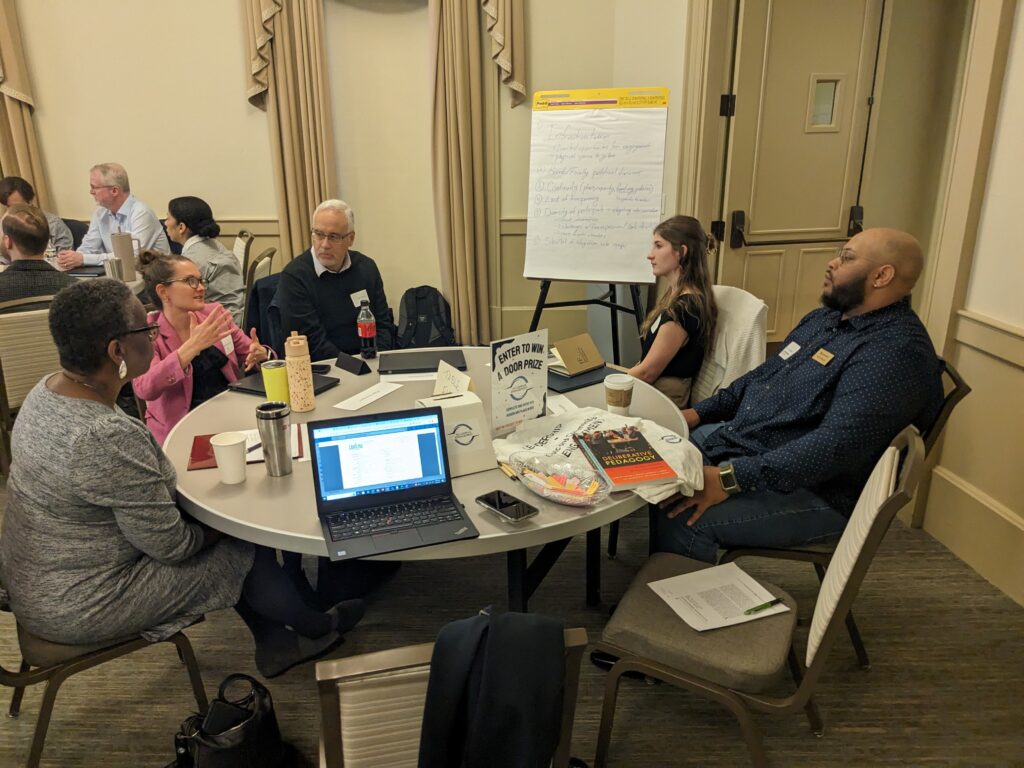
Participant presenting at conference

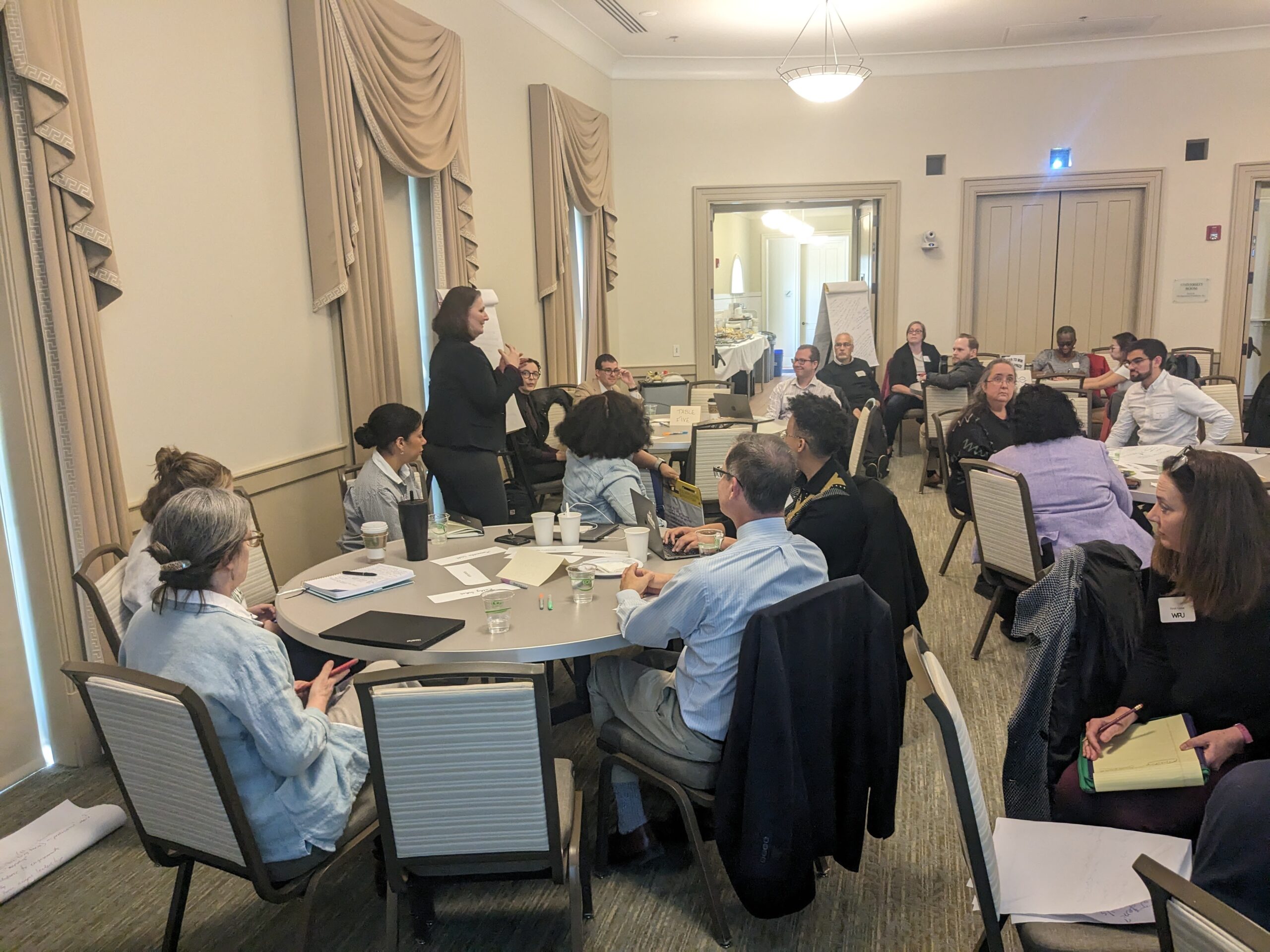
Faculty and staff who work on improving public discourse on college campuses can often feel disconnected from similar efforts at other institutions, even those that are very nearby. The Deliberative Citizenship Initiative recently collaborated with several other organizations to organize an opportunity for these public discourse scholars and practitioners to share ideas, practices, and challenges with one another.

On April 5, the DCI, the Program for Public Discourse at the University of North Carolina at Chapel Hill, the Kernodle Center for Civic Life at Elon University, and the Free Expression and Constructive Dialogue Task Force at the University of North Carolina at Charlotte, and NC Campus Engagement (a consortium of 41 higher education institutions in North Carolina) partnered to host the inaugural North Carolina Campus Discourse Leaders Conference.

Over 40 faculty and staff members representing 18 different institutions of higher education from across North Carolina attended the day-long conference. They included participants from state universities (e.g., North Carolina State, Western Carolina University), private universities (e.g., Duke University, Wake Forest University), historically black colleges and universities (e.g., North Carolina Central University, Winston Salem State University), and community colleges (e.g., Wake Tech Community College, Durham Technical Community College) and came from the eastern, western, central, and southern regions of the state.

Participants discussing around a table

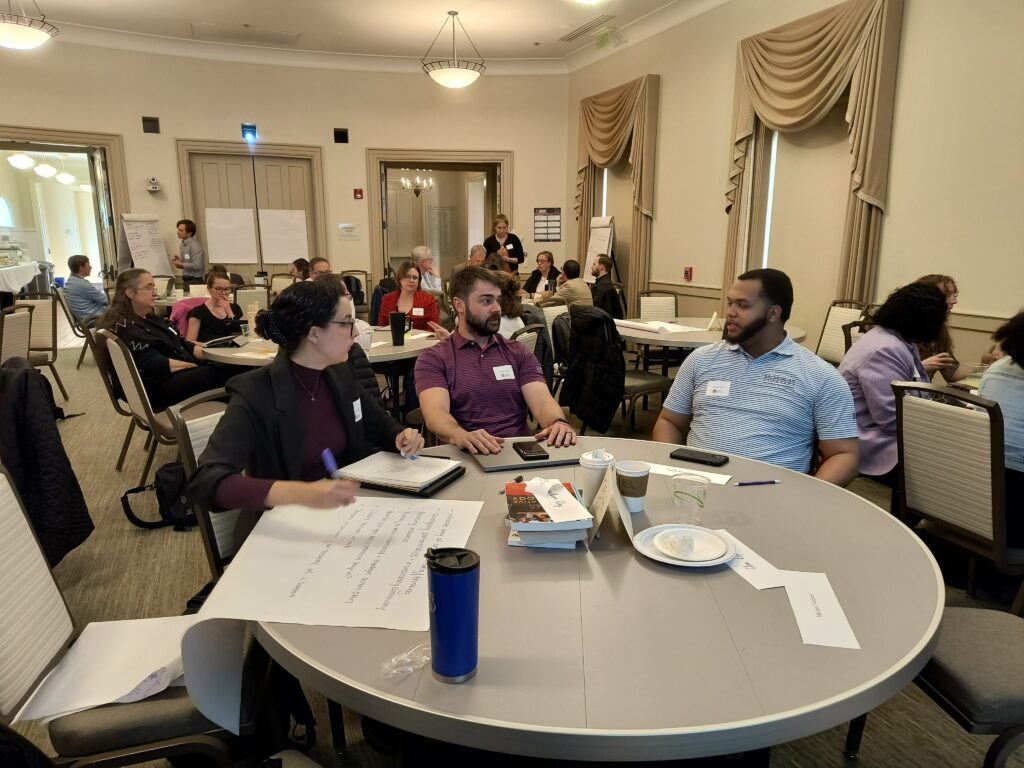
Hosted at the University of North Carolina  at Chapel Hill, the conference provided an opportunity for participants to share their approaches and challenges that they have experienced at their institutions. They were also able to learn from each other in highly interactive breakout discussions with colleagues at institutions that are both similar to and different from their own.

The conference was structured into four sessions, each beginning with an introductory presentation on a key topic of discourse from the co-organizing partners before opening into round-table discussions. Campus discourse leaders shared the strategies they have been implementing in their own programs, discussed challenges they have been faced with, and offered future points of discussion. Session topics included:

  • The Context of Public Discourse on College Campuses Today
  • Strategies for Fostering Robust Discourse in the Classroom
  • Strategies for Fostering Robust Discourse on Campus and in the Community
  • Strategies for Connecting and Collaborating across Campuses
Participants discussing around a table

The NC Campus Discourse Leaders Conference inspired a commitment to ongoing collaboration and support among attendees and organizers, with plans already underway for future events and initiatives aimed at advancing the mission of dialogue and discourse on college campuses statewide.

Participants left the conference with a new network of colleagues from across North Carolina, new opportunities for collaboration on projects related to public discourse, and new ideas to consider and implement back on their campuses. 

Special recognition is due to the great team of partners who made this event possible. Kevin Marinelli and Alissa Bouttavong from the UNC-Chapel Hill Program for Public Discourse were amazing hosts who spearheaded the logistics of the conference and worked closely with the co-organizing planning team of Leslie Garvin (NC Campus Engagement), Graham Bullock (Davidson College), Matthew Metzgar (UNC Charlotte), Anne Moore (UNC Charlotte), and Andrew Moffa (Elon University). The team met regularly for nearly a year to organize the conference and is looking forward to following up on its success in the months to come.

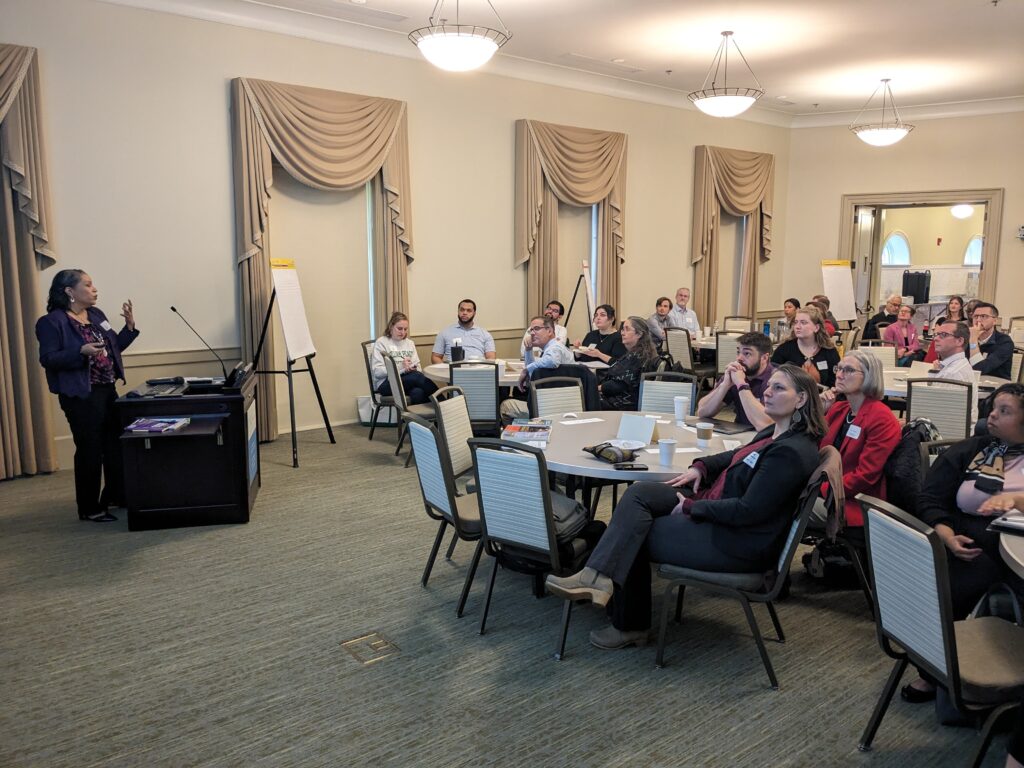
Leslie Garvin presenting at the NC Campus Discourse Leaders Conference.
Leslie Garvin from North Carolina Campus Engagement
presenting at the NC Campus Discourse Leaders Conference.
Graham Bullock presenting at the NC Campus Discourse Leaders Conference.
Conference co-organizer Graham Bullock from Davidson College presenting at the
NC Campus Discourse Leaders Conference.

Conference host and co-organizer Kevin Marinelli from UNC-Chapel Hill presenting at the
NC Campus Discourse Leaders Conference.

Kevin Marinelli presenting at the NC Campus Discourse Leaders Conference.
Matt presenting at the NC Campus Discourse Leaders Conference.
Matt Metzgar from UNC Charlotte presenting at the NC Campus Discourse Leaders Conference.

Filed Under: Blog Posts, DCI Posts, Events

  • « Go to Previous Page
  • Page 1
  • Interim pages omitted …
  • Page 7
  • Page 8
  • Page 9
  • Page 10
  • Page 11
  • Interim pages omitted …
  • Page 38
  • Go to Next Page »

Footer

Blog Post Categories

  • Announcements
  • Blog Posts
  • DCI Posts
  • Events
  • Faculty Posts
  • Fellow Posts
Image of a compass superimposed by the text "Deliberative Citizenship Initiative" and "Davidson College." Clicking on this image leads to the Initiative page.

Recent DCI Blog Posts

  • We Tried to Fix Jubilee’s “Middle Ground” – Here’s How It Went
  • A Case for Deliberation in the Natural Sciences
  • Welcoming New Staff to the DCI and DCN
  • Facebook
  • Twitter
  • Instagram
  • LinkedIn


Copyright © 2026 · Infinity Pro on Genesis Framework · WordPress · Log in