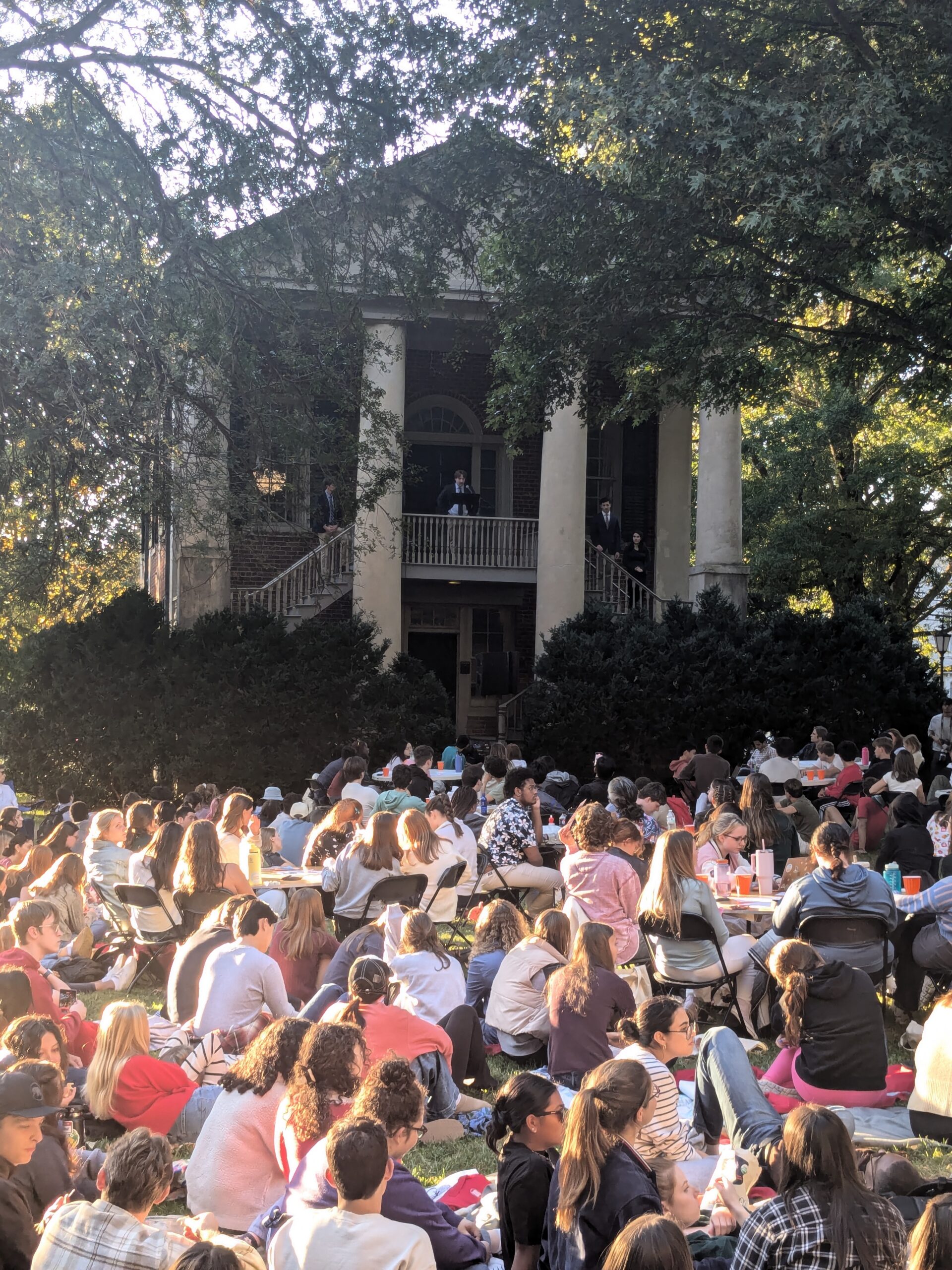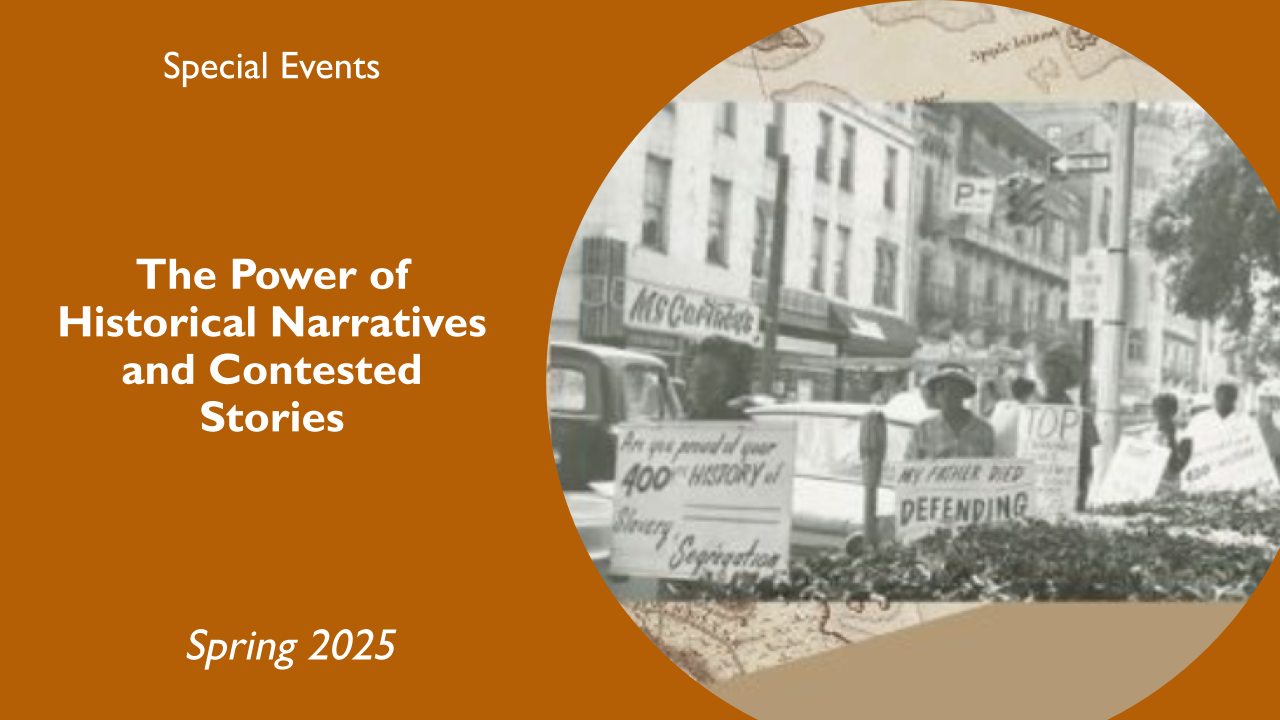
Every spring, the DCI Fellows implement personal deliberation projects in which they organize deliberations on topics they are interested in. This year DCI Fellow Bosisso Charles Takougnadi (aka TBC) had a big idea for his project — he wanted to partner with the history department to host a forum on historical narratives and contested histories.
This would be a challenging enterprise for a history major, but even as a biology major, TBC was undaunted. He reached out to the chair of the History Department, John Wertheimer, and they worked together to design an innovative event titled, “The Power of Historical Narratives and Contested Histories.” This panel-based deliberative discussion was designed to explore the ways historical narratives are constructed, contested, and interpreted in contemporary society. The event focused on how history is told, who gets to tell it, and how differing perspectives shape our understanding of the past and present.
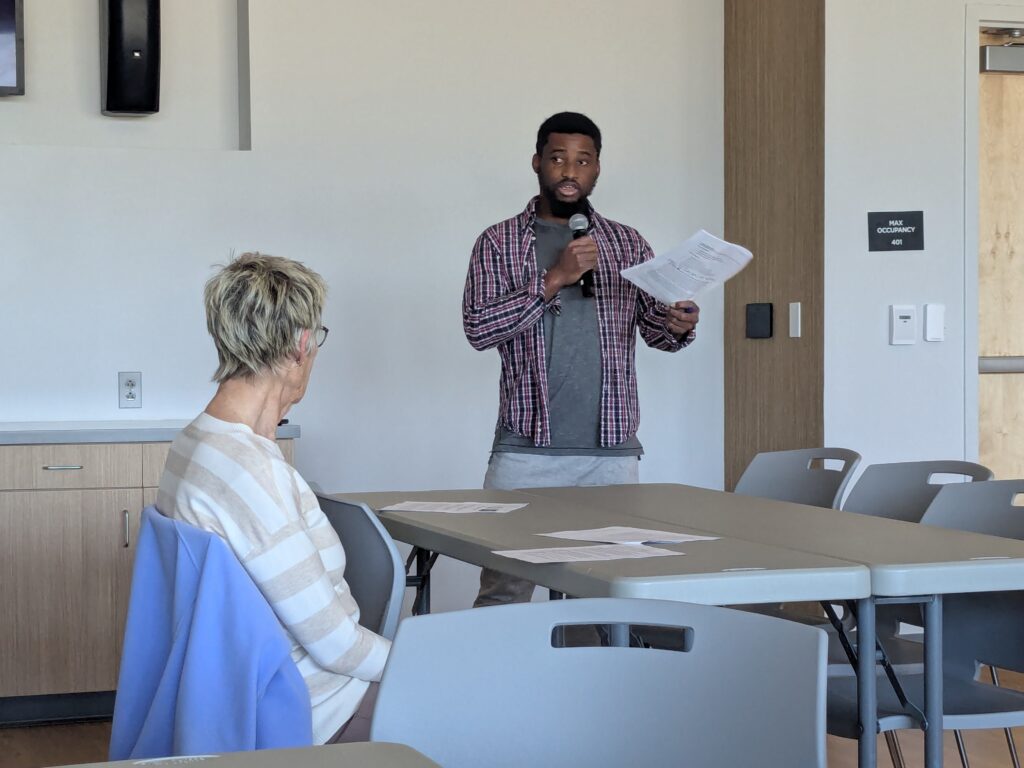
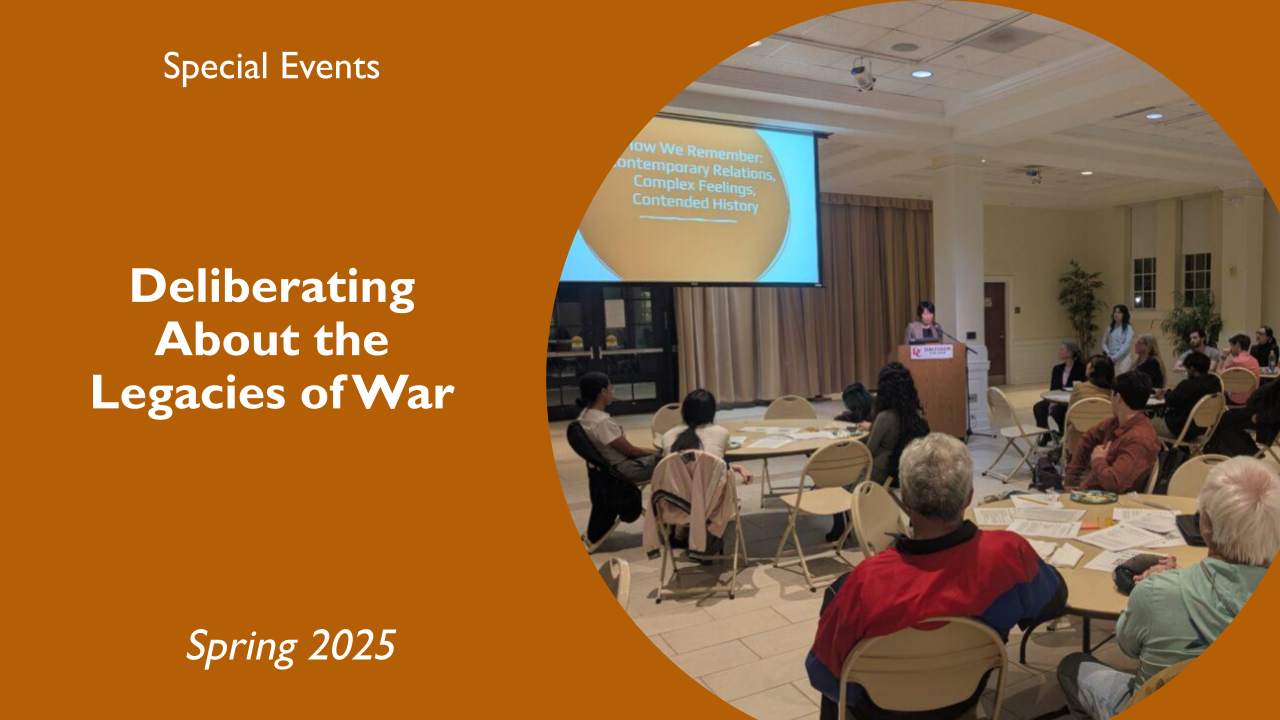
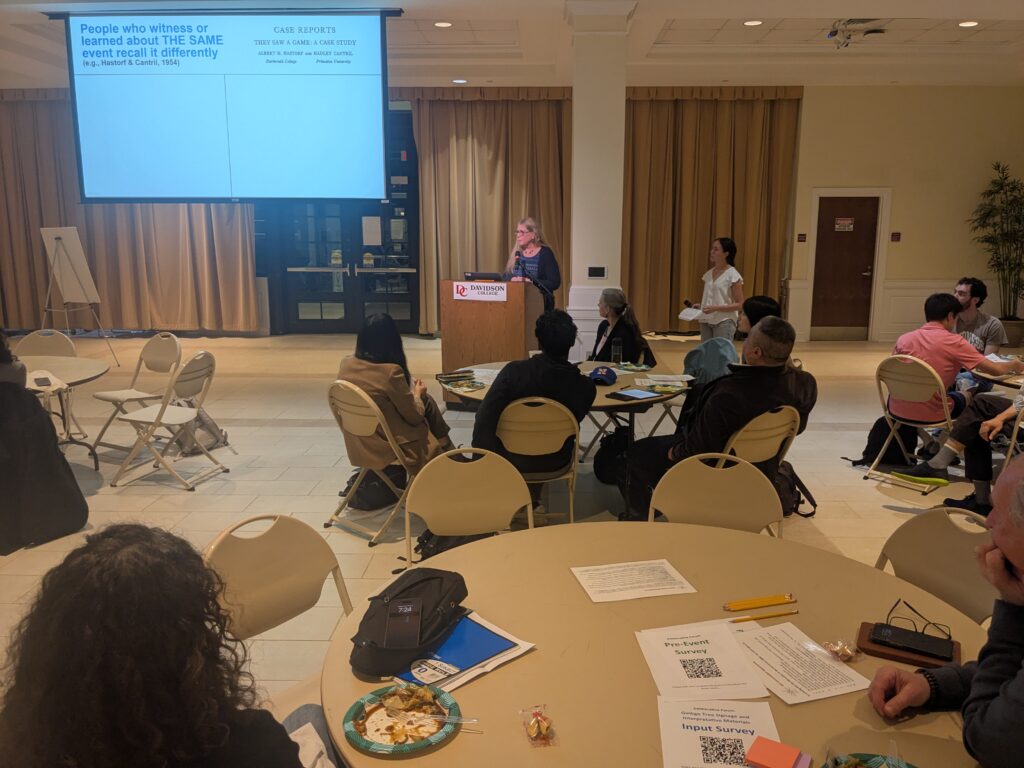
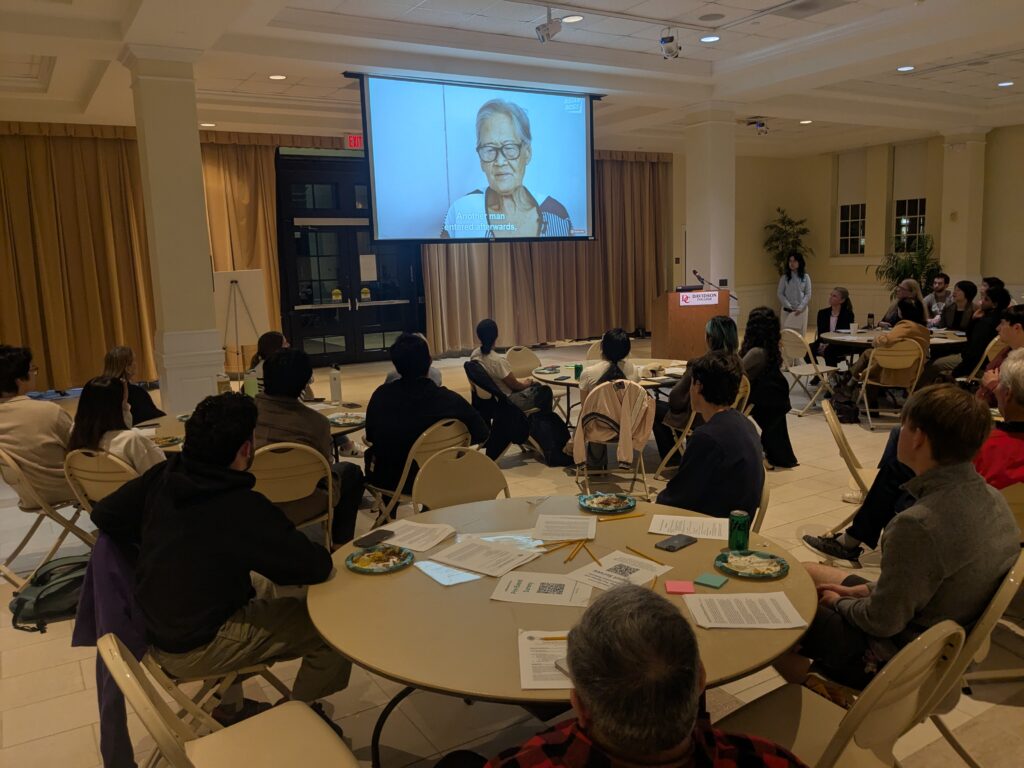
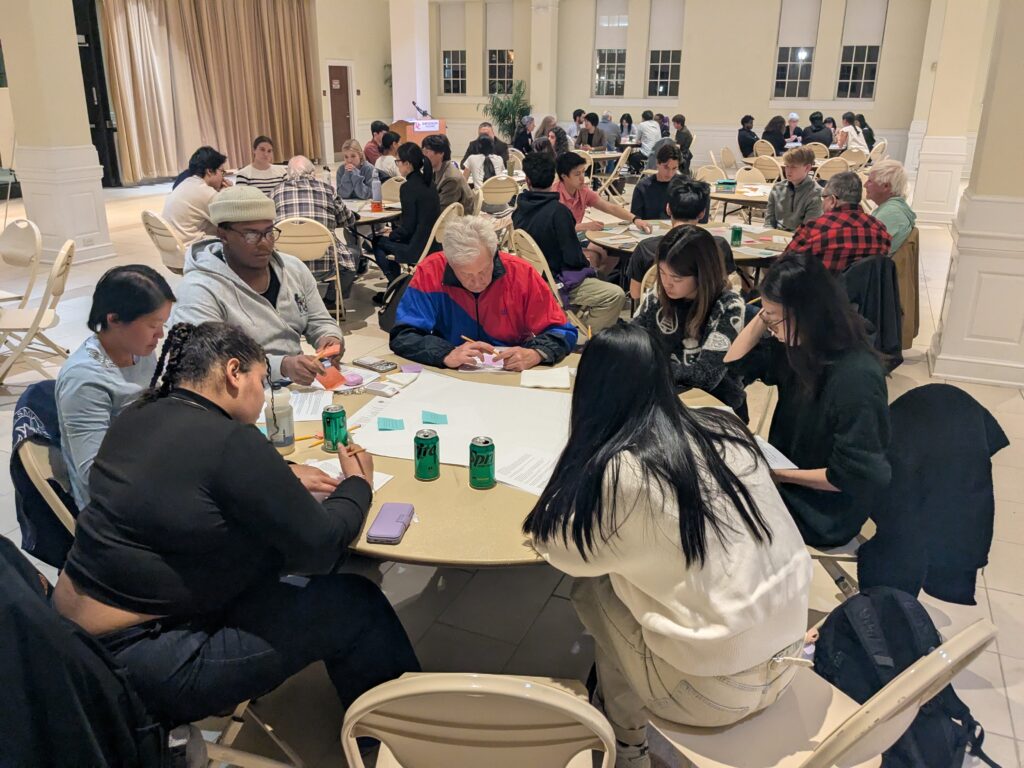
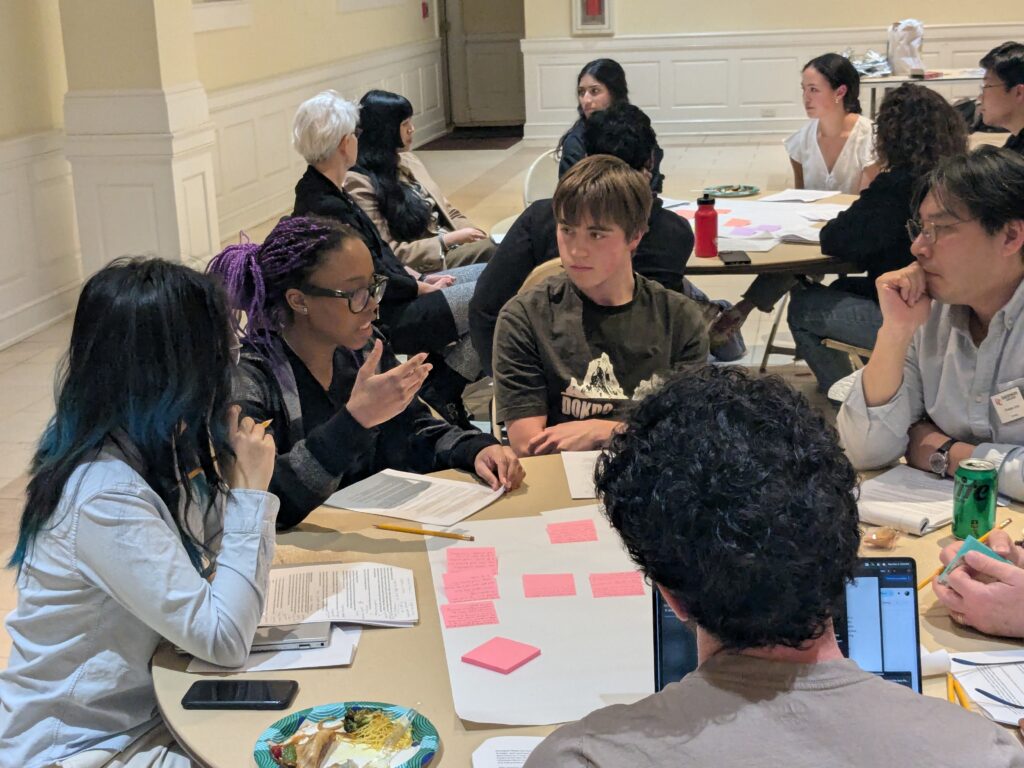
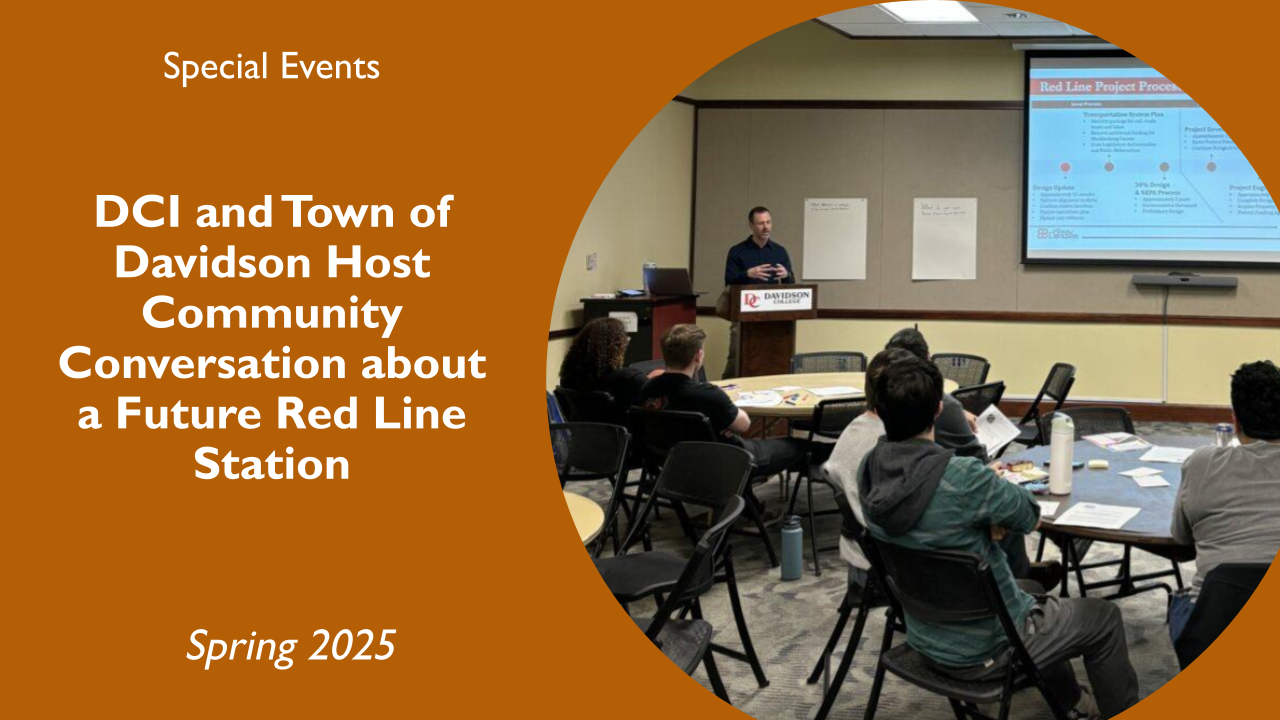
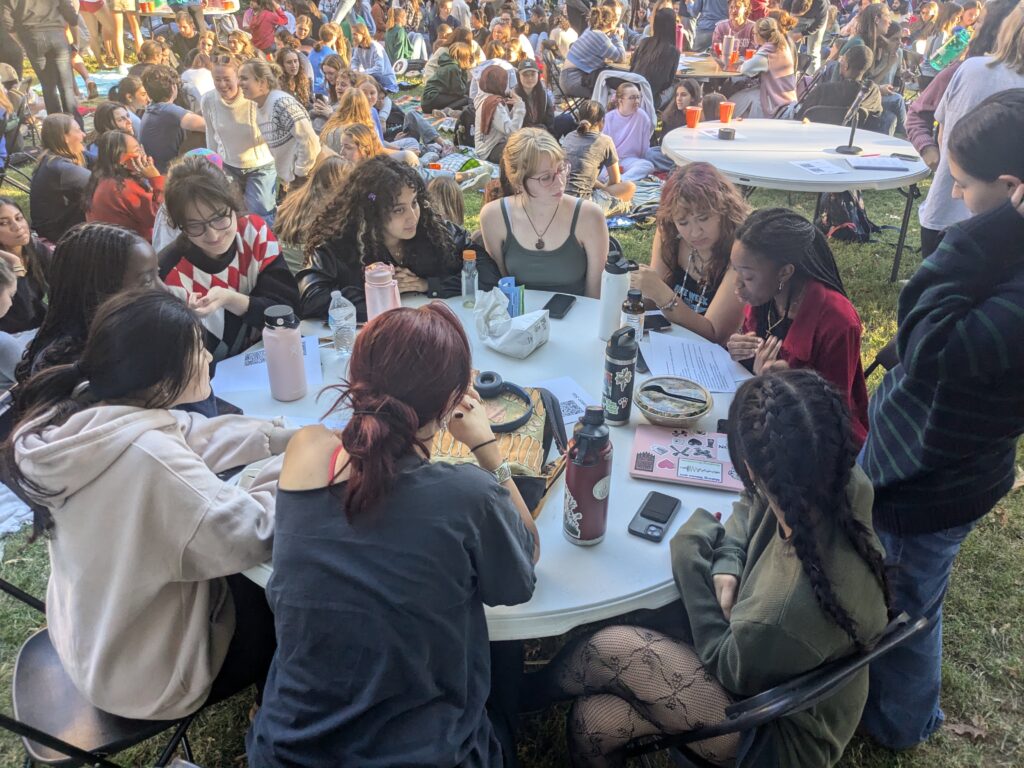
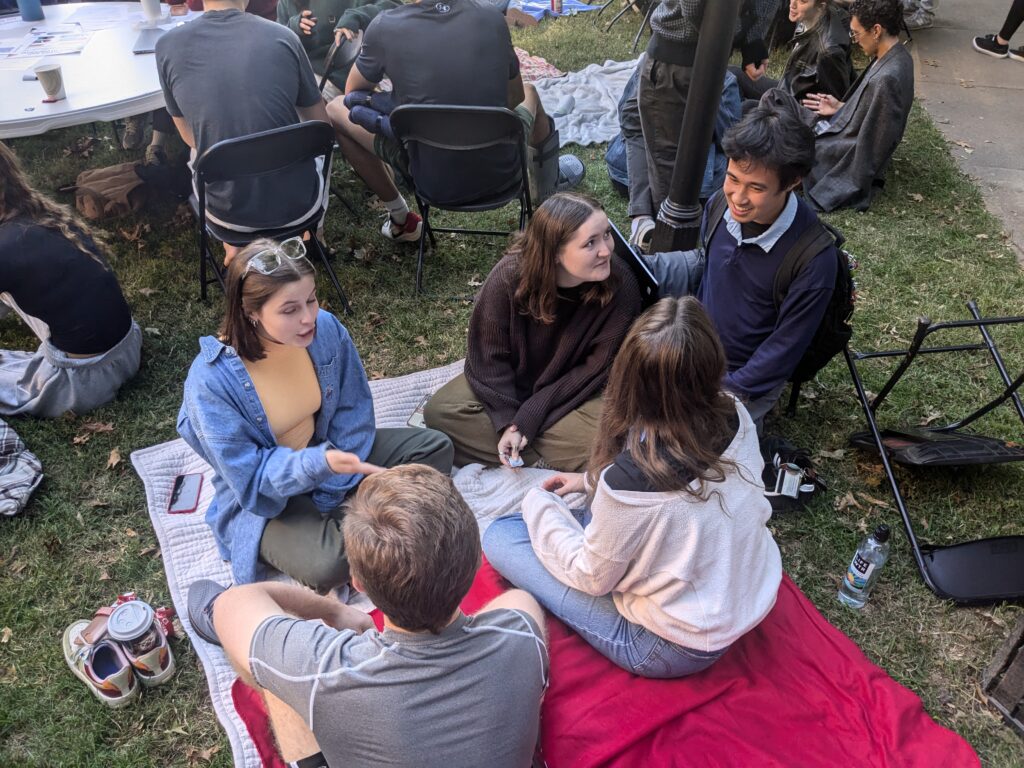
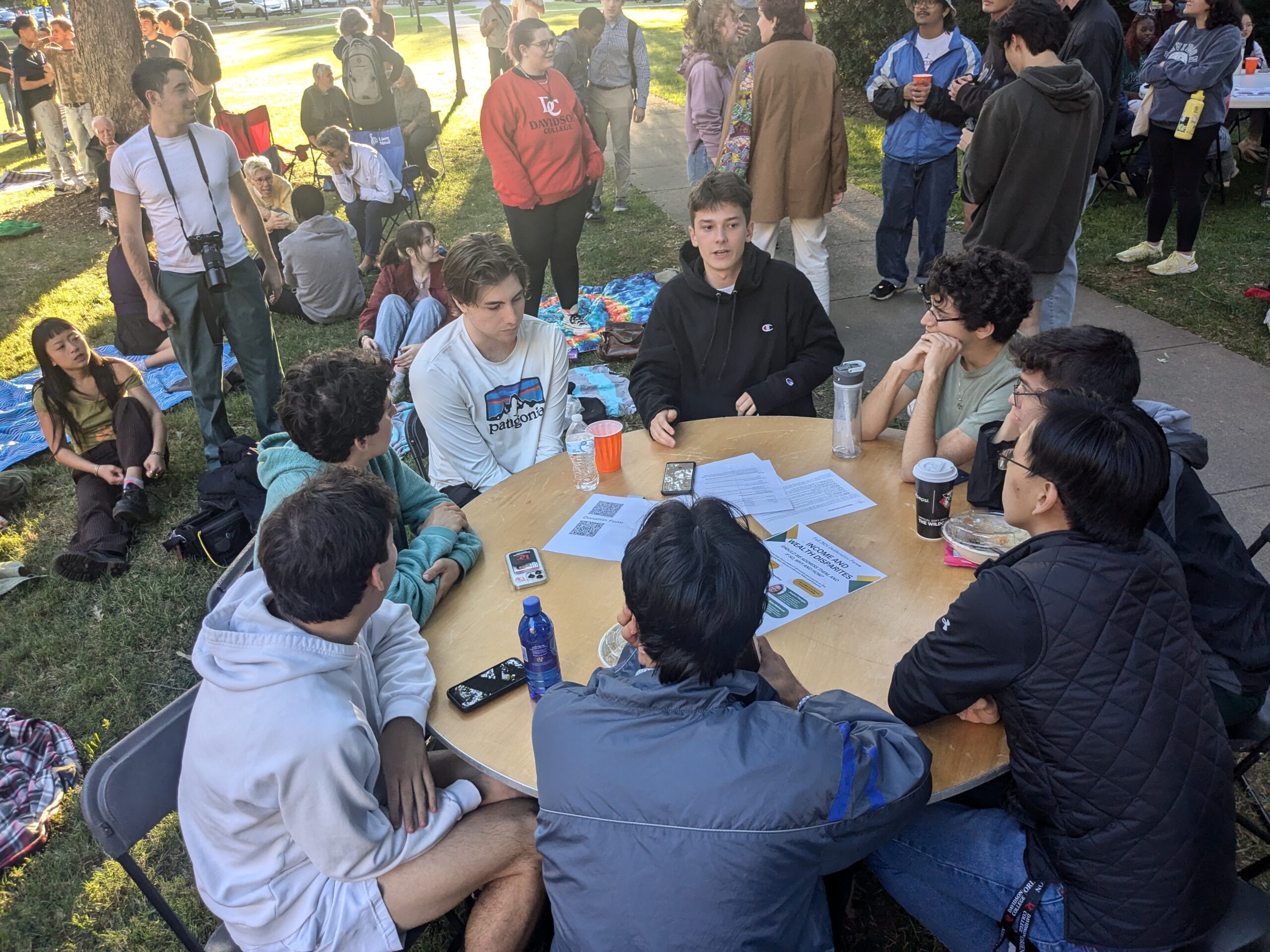
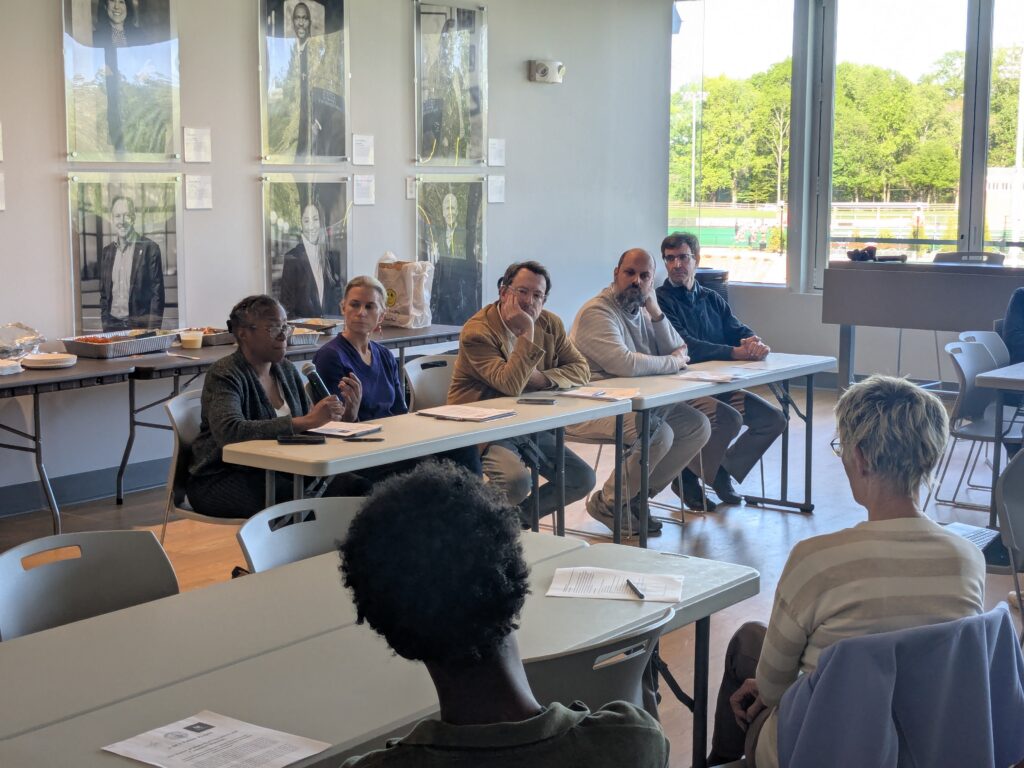
This “Deliberative History Forum” — to our knowledge, the first of its kind at Davidson — was held on April 8, 2025, on the campus of Davidson College, and lasted approximately 120 minutes. The first 45 minutes was dedicated to remarks by a panel of Davidson history professors that included History Professors Jonathan Berkey, Jakub Kabala, Hilary Green, Dáša Mortensen, and John Wertheimer. The remaining 75 minutes was reserved for small group table discussions among the audience members. The panelists joined the conversations, which included approximately 30 students, faculty, and community members. The event was hosted in the New Football Stadium’s Gallery 18, which provided a communal space that worked well for both the panel and the small-group discussions.
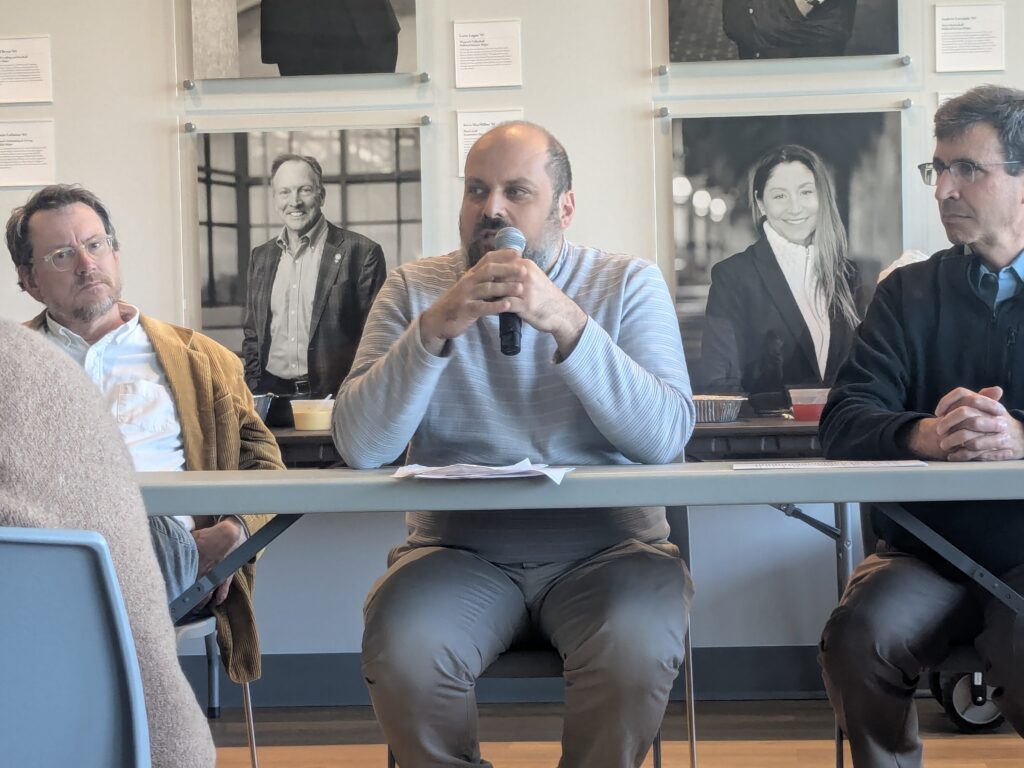
The event opened with brief remarks from each panelist, who shared insights into how history can be framed through different political, social, and cultural lenses. Each discussed the forum’s topic based on their academic expertise, which ranged from the histories of the Middle East, medieval Europe, the United States, and East Asia. Their remarks helped set the stage for the audience’s deliberations together.
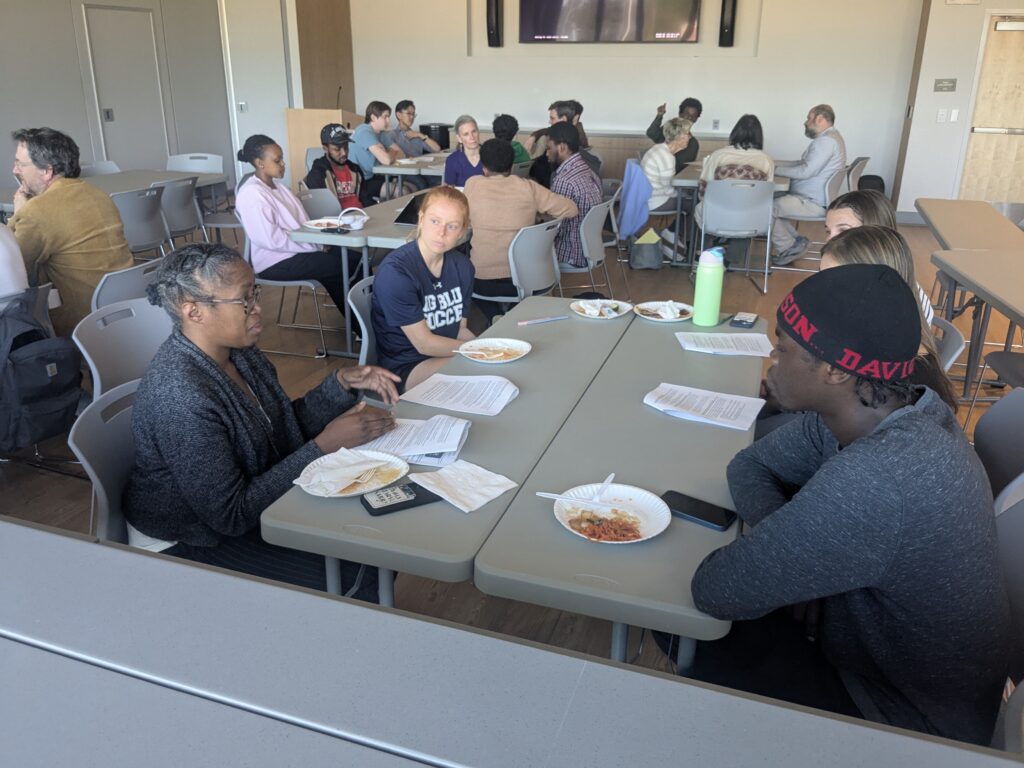
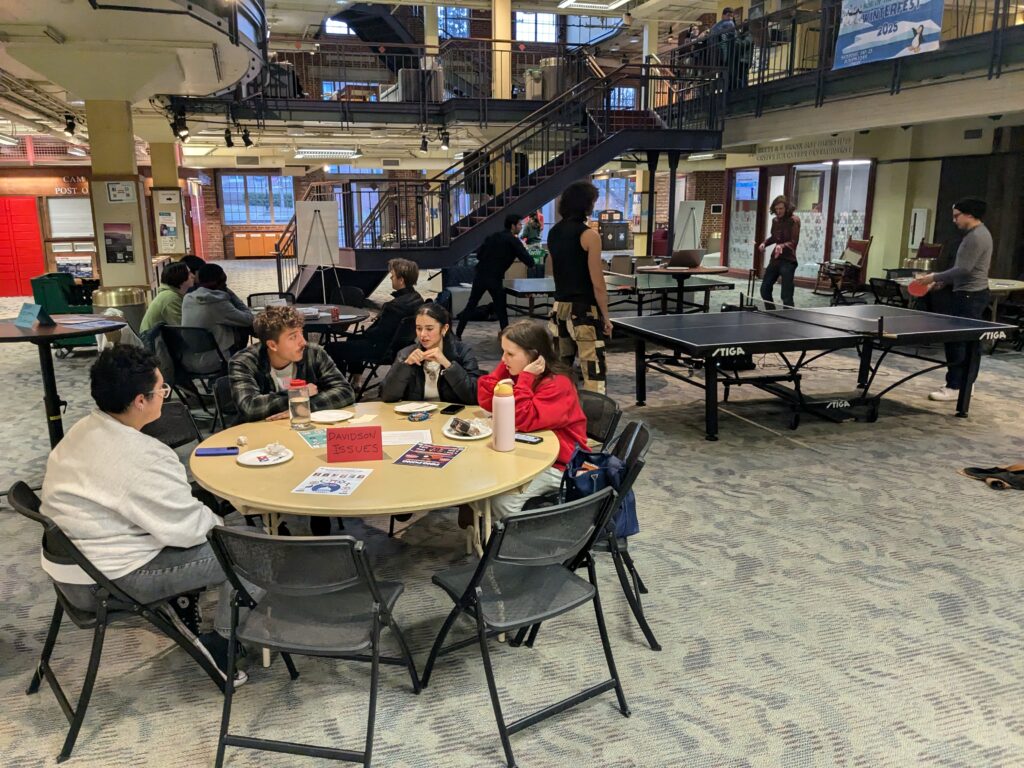
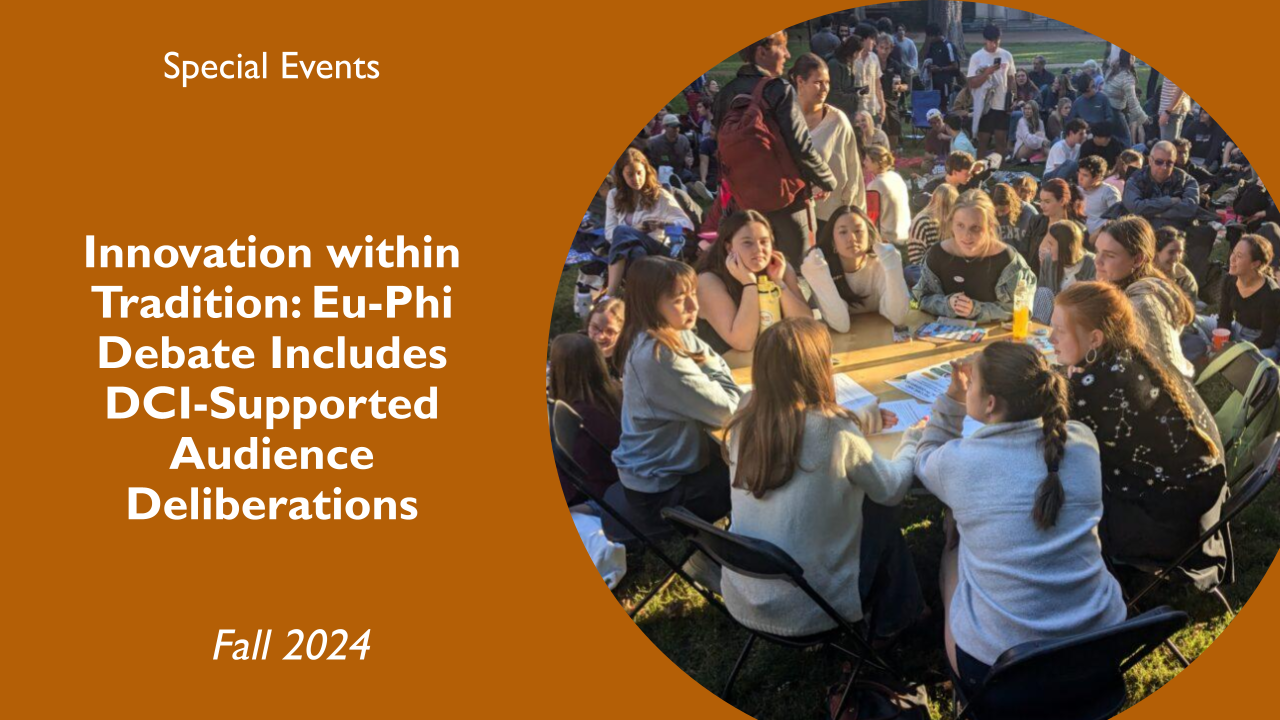
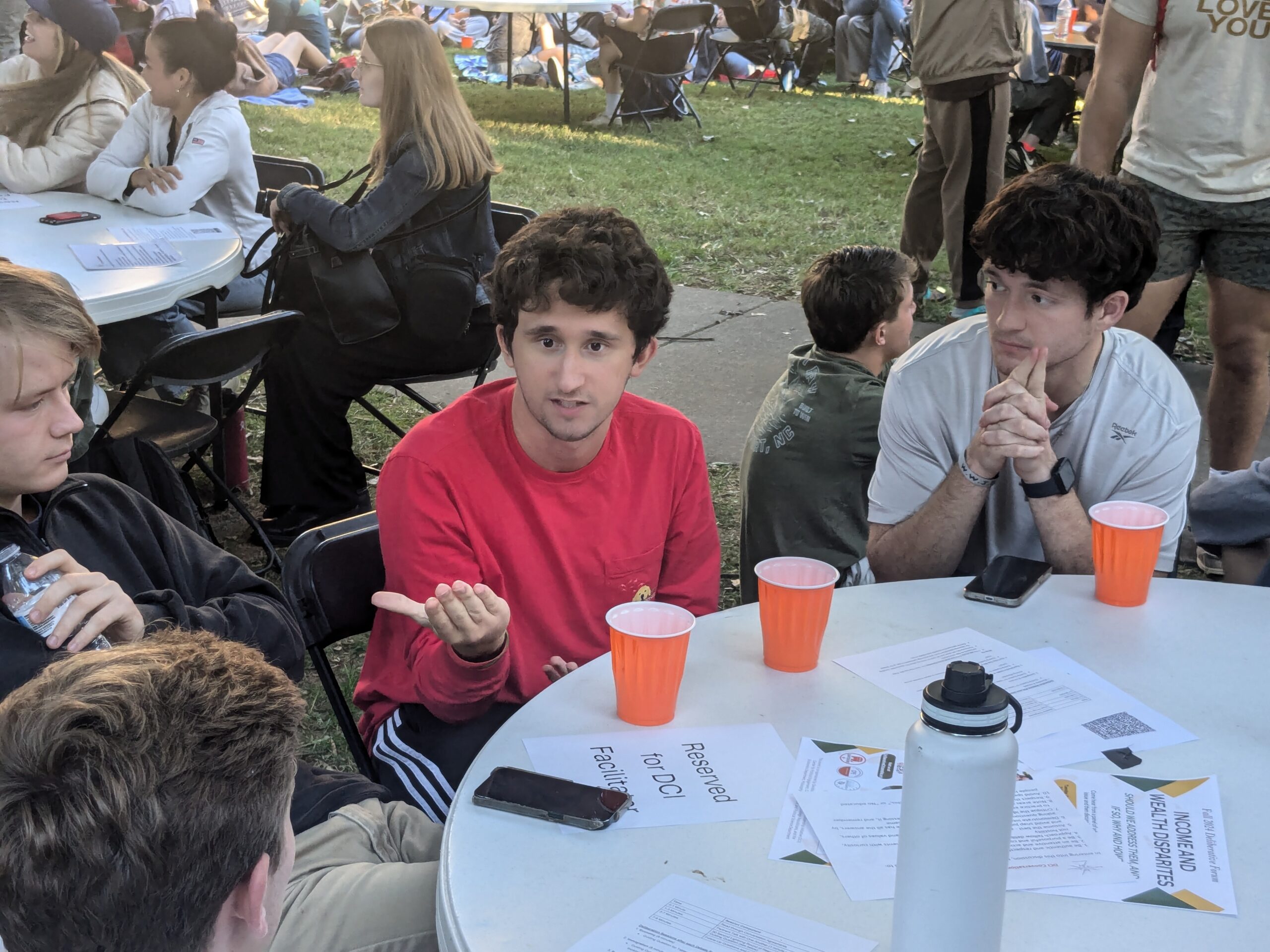
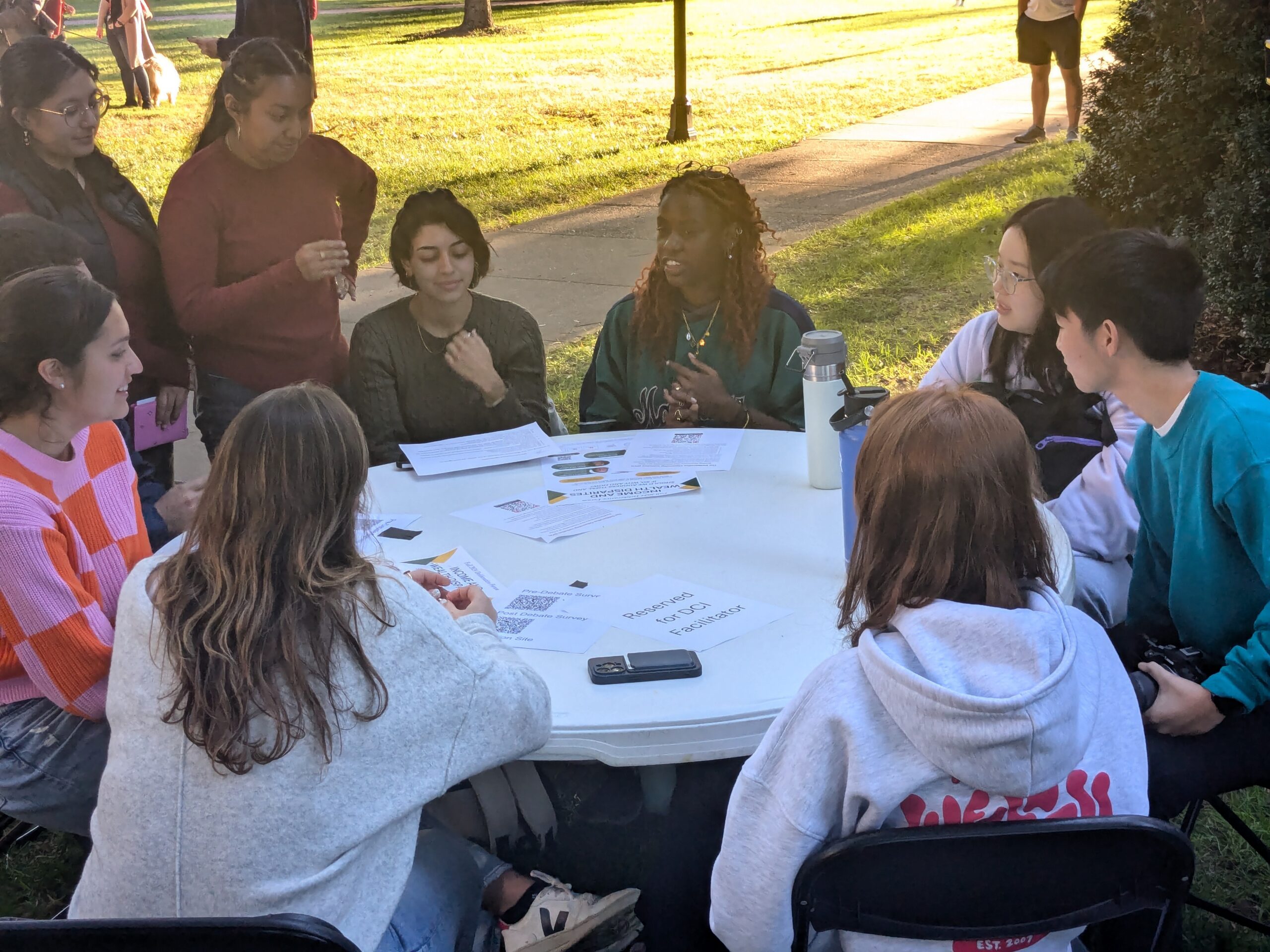
Following the panel, participants gathered around five tables for facilitated small-group discussions. Due to a shortage of DCI-certified facilitators, several attendees who had experience participating in D Teams stepped up to guide these conversations, which proved successful and enriching. Key topics of discussion included the role of historians in shaping public memory, how marginalized voices are often excluded from or misrepresented in mainstream narratives, and the impact of historical interpretation on present-day policies and identities.
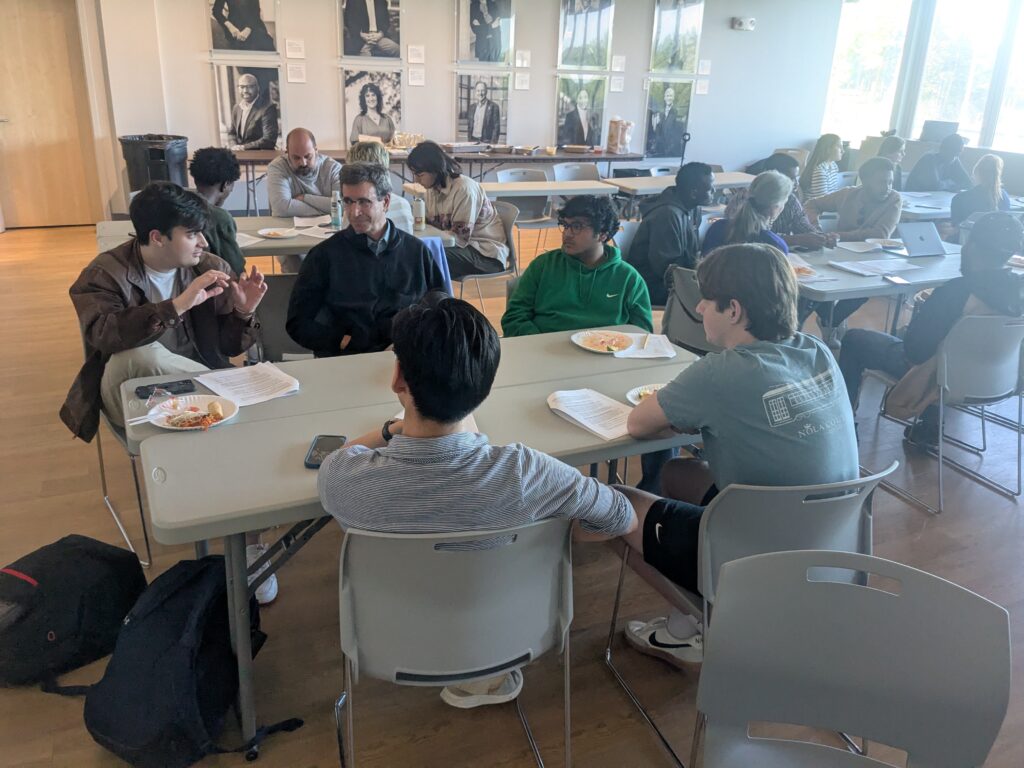
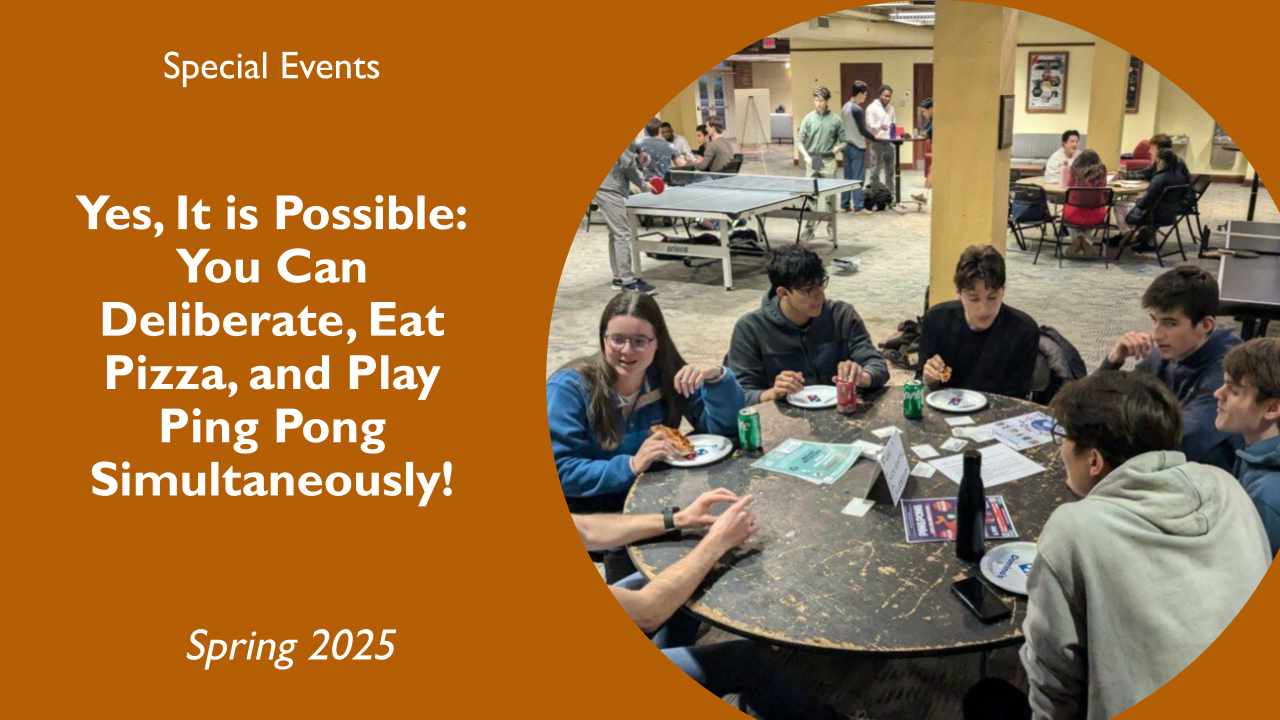
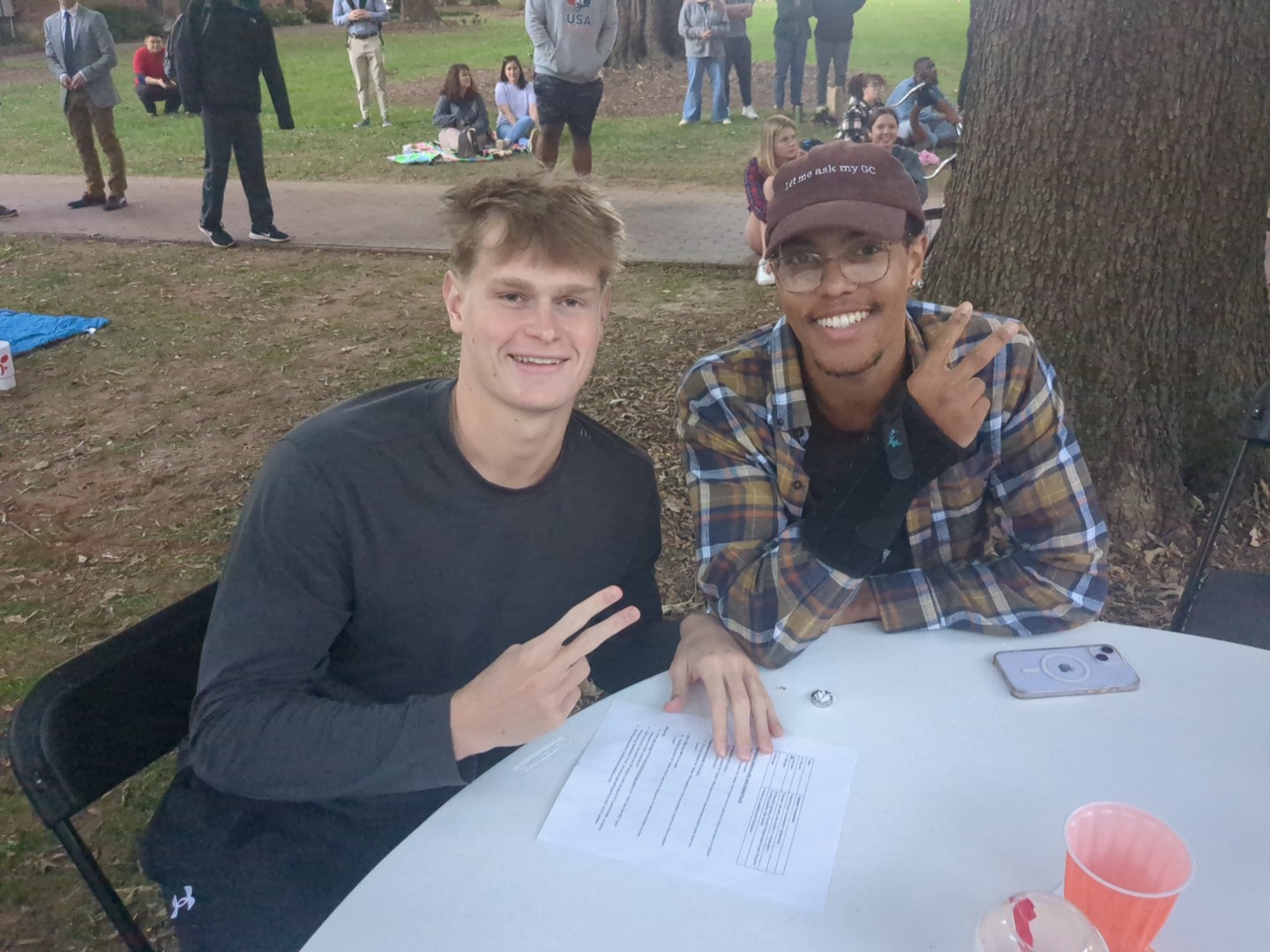
Following the event, many expressed appreciation for the format and content of the event, especially the opportunity to engage with peers and faculty in meaningful dialogue. Participants also enjoyed the provided food (dinner from local restaurant Sabi), which helped create a welcoming and friendly atmosphere.
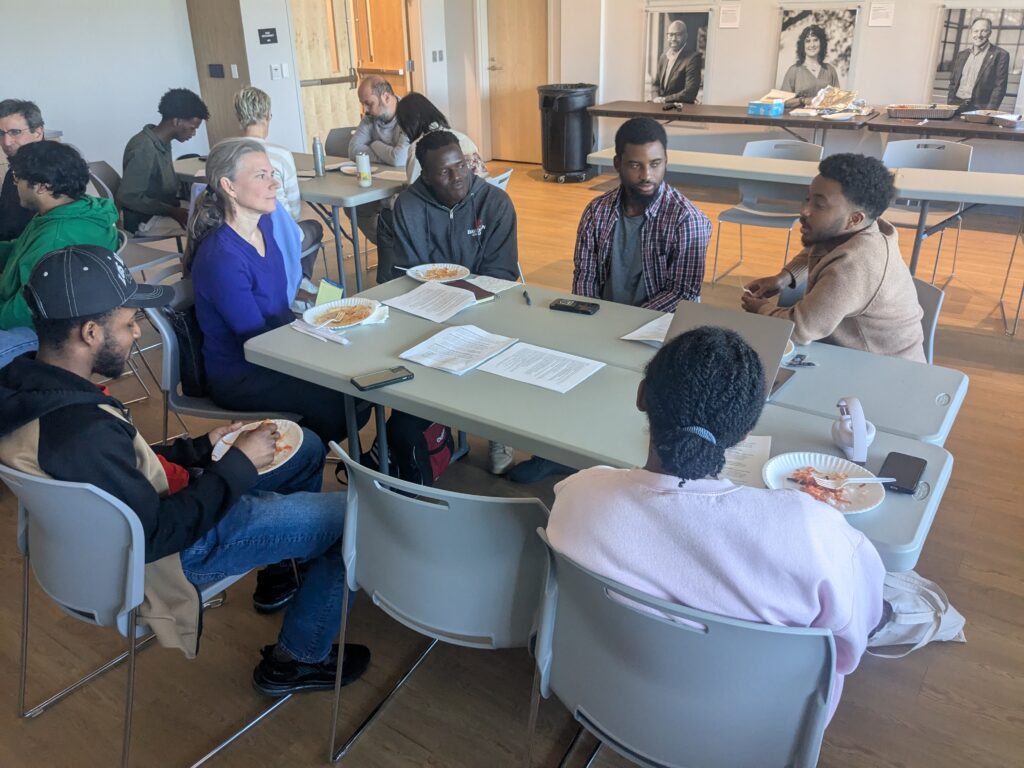
Overall, the project was a successful effort in fostering thoughtful dialogue on a timely and important subject. It demonstrated the value of collaborative, interdisciplinary events in building civic awareness and critical thinking among members of the campus community.