By Graham Bullock (DCI Faculty Director)
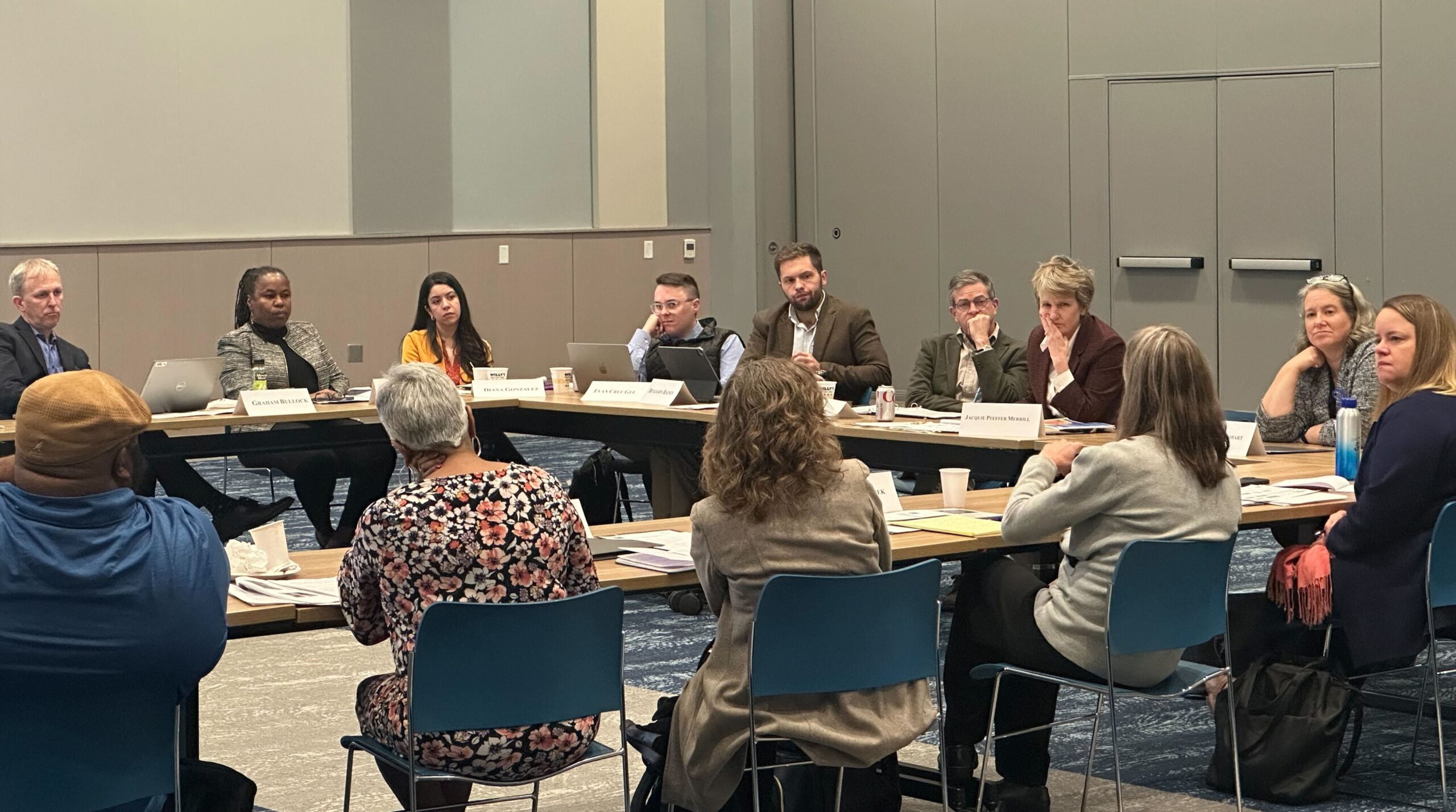
On November 13–14, 2025, I had the opportunity to participate in a Leadership Symposium on Civil Discourse: Conversations in the Classroom, Quad, and Community, hosted by Jacqueline Pfeffer Merrill and the Council of Independent Colleges (CIC) in partnership with Emory University.
Dr. Merrill, CIC’s Senior Director for Civic Learning and Free Expression Projects, used the symposium to bring together faculty members and higher education leaders from across the country to share ideas and strategies for strengthening civil discourse on our campuses. The gathering, held in Emory’s Student Center, focused on how institutions can foster thoughtful dialogue in classrooms, co-curricular programming, and the broader campus community.
I was honored to have the opportunity to co-lead Session III, “Civil Discourse Co-Curriculars,” with Daryl Lowe, Associate Vice President for Student Affairs at Spelman College. Our session explored how colleges can build meaningful opportunities outside the classroom that equip students to engage across difference with curiosity, respect, and intellectual rigor.
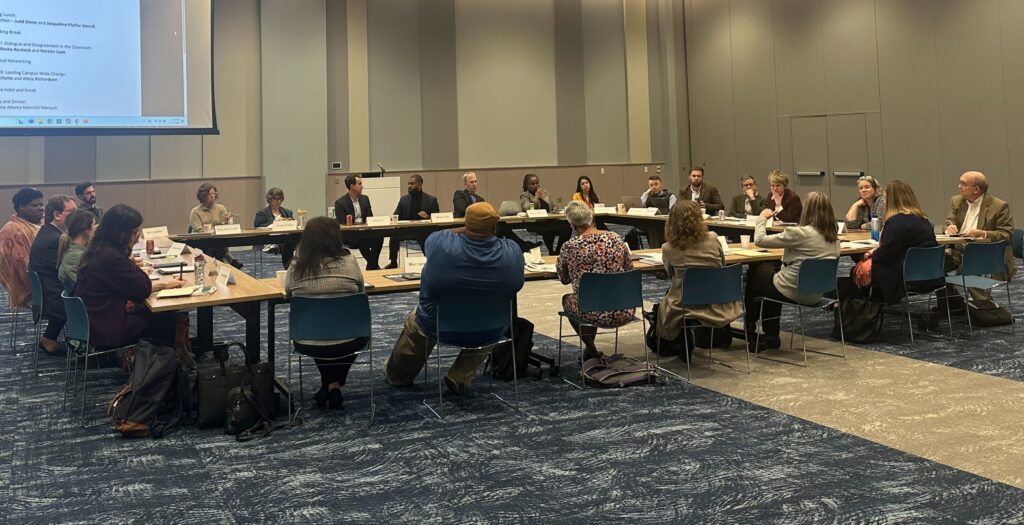
The symposium featured an impressive range of institutions and perspectives. Participants and session leaders represented colleges and universities including Emory University, Spelman College, Trinity University, Dickinson College, Hartwick College, Agnes Scott College, Oglethorpe University, Dalton State College, The University of the South, Carnegie Mellon University, Presbyterian College, The College of Wooster, Goshen College, and the University of Wisconsin, Eau Claire.
Throughout the two days, discussions emphasized practical approaches to navigating disagreement, supporting faculty and student development, and embedding civil discourse into the fabric of campus life. I was grateful for the chance to share insights from Davidson’s Deliberative Citizenship Initiative and to learn from colleagues who are leading innovative programs in dialogue, free expression, and student engagement at their institutions. At a moment when many in higher education feel under siege from multiple fronts, the symposium offered a powerful reminder that colleges and universities remain vital spaces for rigorous inquiry, principled disagreement, and meaningful community-building. I look forward to continuing the conversations that we started in Atlanta and following up on the great ideas we discussed together. The more we can share, the more we can make our own work better.