• Skip to main content
  • Skip to footer

Deliberative Citizenship Initiative

Building Democracy One Conversation at a Time

  • The Initiative
    • Programs
      • Deliberation Across the Curriculum
      • Deliberation on Campus
      • Deliberation in the Community
      • Research on Deliberation
    • Motivations
      • Why Deliberative Citizenship?
      • Why Davidson? Why Now?
    • Who’s Involved?
      • DCI Fellows Cohorts
        • 2025-2026 Fellows
        • 2024-2025 Fellows
        • 2023-2024 Fellows
        • 2022-2023 Fellows
        • 2021-2022 Fellows
        • 2020-2021 Fellows
      • DeeP Collaborative Cohorts
        • 2024-2025 DeeP Collaborative Faculty
        • 2023-2024 DeeP Collaborative Faculty
      • Advisory Council
    • History
      • What Sparked the Initiative?
    • Key Deliberative Dispositions
    • Frequently Asked Questions (FAQ)
    • Annual Report
  • Get Involved!
    • Participate in a Forum
    • Join a D Team
    • Become a Fellow
    • Take Courses
    • Get Training
    • Come to Guest Lectures
  • Events
    • Upcoming Events
      • 250th Anniversary Deliberative Forum Series on American Values
    • Past Events
  • Connections
    • The Deliberative Citizen: The DCI’s Monthly Newsletter
    • Efforts on Campus
    • Efforts in the Community
    • Efforts Elsewhere
    • Readings and Resources
      • DCI-Published Guides
      • DCI Guide to One-on-One Conversations
      • How to Disagree
      • Demonstration of Facilitation Styles
      • Deliberative Pedagogy Mini-Course
    • How We Can Help: DCI’s LET’S DELIBERATE! Partnership Opportunities
    • DCI in the News
  • DCI Blog Posts
    • Recent Blog Posts
    • All Blog Posts

Peyton Carter

The Benefits of Deliberation in Sports and Daily Life

June 1, 2023 by Peyton Carter

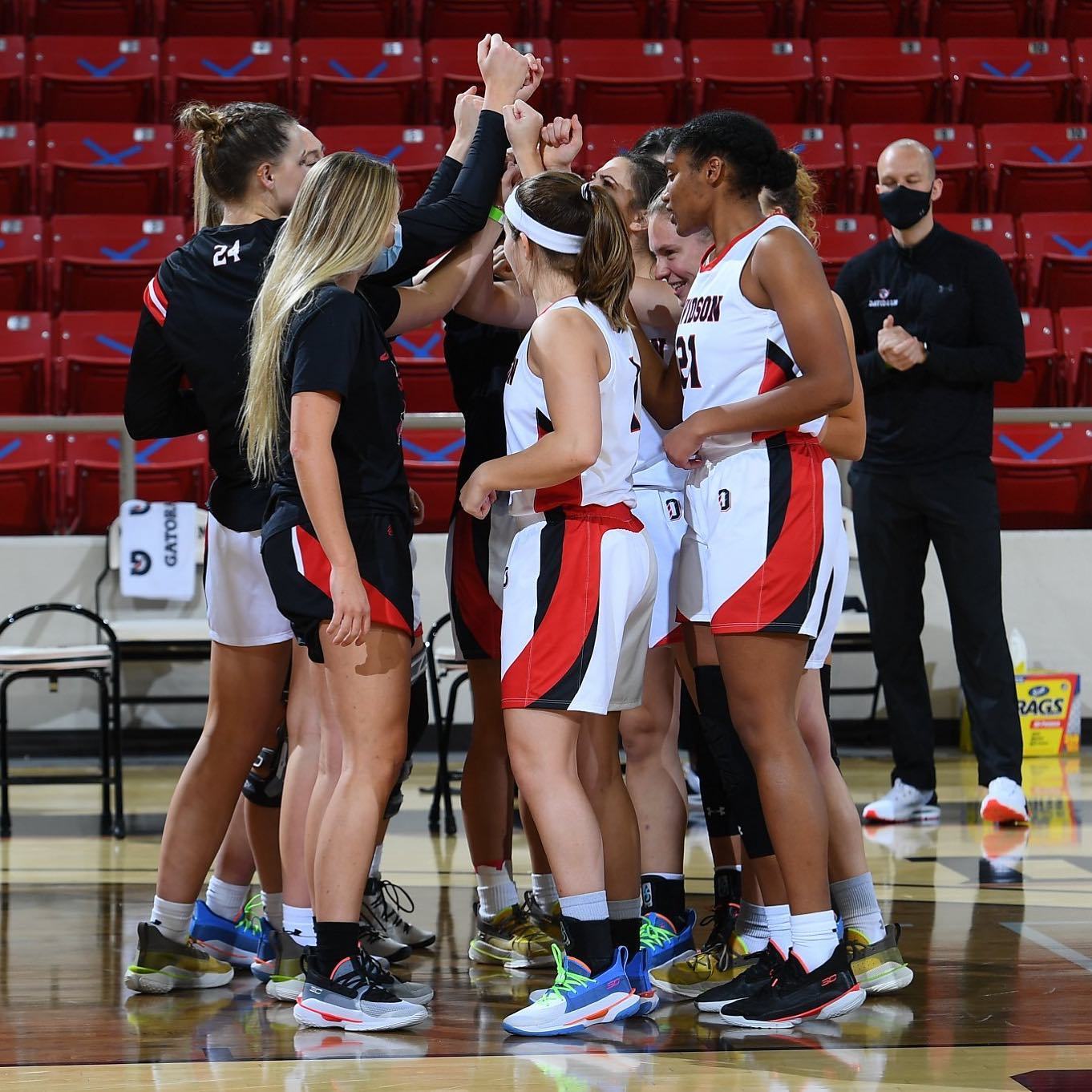
Davidson Women's Basketball Team huddled for a breakdown.

By Peyton Carter ’23 (DCI Fellow)

This semester for the DCI, a lot of focus and time has been spent on figuring out what each of us fellows will do for our personal Deliberation Projects. The goal of these Deliberation Projects is to “enable Fellows to organize, host, and facilitate a deliberative event that connects to their personal interests…and builds Fellows’ capacity to conduct deliberative activities after they have completed the DCI Fellowship program.” After hearing this objective, it did not take long for me to figure out what personal interest I wanted to connect the DCI with – sports.

Sports, specifically basketball, have been a major part of my life from the age of 6 up until now at 22 years old. I have been on plenty of different teams with different coaches through these years, which has resulted in me experiencing a lot of different team dynamics. When I sat down to think about how deliberation and these past basketball team experiences could connect, it seemed clear. Teams get into heated debates and arguments all the time.

It is only natural when you have a large group of people giving their best competitive efforts to work toward a common goal that not everyone will agree on how it should be done. Tensions are bound to arise, and disagreements break out. My idea was that if deliberation is something that becomes incorporated into sports and teams, it would help to resolve many issues that tend to fester both on and off the court (or the field) for the duration of a season.

Ultimately, I decided to go to different sports teams on Davidson’s campus and speak to them about what deliberation is, and how it can be used on their teams to create a respectful environment where issues can be talked about in a respectful manner and resolved, instead of just letting them linger and fester. This decision, however, has also made me think about the benefits of deliberation in all areas of life, beyond sports, and beyond only D Teams and Deliberative Forums.

Deliberation can be used on so many occasions. If we think about it, we probably deliberate every day, although perhaps not always that productively. It may just be a small conversation in passing or a 10-minute “battle” on what the greatest television show of all time is. Just like people, deliberation comes in all shapes and sizes. My hope after completing the plan for my project is that people all over will begin to learn what it means to deliberate, and deliberate well, when it is appropriate. In our world today, much conversation that involves two people on opposing sides produces a disagreement, which then results in an unproductive argument.

People tend to value the positives and respectfulness of deliberation in their daily lives more and more often now than ever before. In our last DCI forum about social media and how we should be dealing with it, the members of my deliberation group during the second part of the event echoed these sentiments. In our group, there were two students, including myself, and three adults who each had children around my age.

As we were wrapping up our discussion, they told me and the other student how special this conversation was and how grateful they were to be there. Above all, they were just happy and relieved to be able to disagree with someone about a topic and not break out into a fight with them, but instead have just a simple conversation. No one was trying to win or make sure that they had the last and loudest word. They each said they miss when they used to be able to do this all the time with people many years ago, but not any longer – until coming to the forum and deliberating with us, together.

Filed Under: Blog Posts, Fellow Posts Tagged With: D Teams, facilitation

How to Bridge the Gap between the Old School and the New Kids?

November 23, 2022 by Peyton Carter

two people talking stock image.

By Peyton Carter ’23 (DCI Fellow)

Oftentimes in today’s world, we are surrounded by wildly different viewpoints. Fighting about contentious issues has become a mainstay in this climate, whereas in decades past it may have been taboo to even talk about your politics in a public setting. If we look at which groups are ­­­­butting heads, most of the time we focus on the polarization between liberal and conservative parties, but when looking past those differences we see an even bigger divide between different generations of Americans.

The generational gap in what people believe and stand for has been quite apparent to me for many years now and even more so in recent years. I am only 21 years old, but I feel that even within the past 6 years, I have seen so many changes in the way people in the United States have handled contentious topics. I often see people my age, with a lot of passion and engagement with social or political topics, taking charge and using their voices to advocate for what they feel is important. Alternatively, the older generations (often known as the Silent Generation, Baby Boomers or Gen Xers) are generally more reserved with their opinions and beliefs on such topics, frequently with an emphasis on ‘traditional’ ways of doing things instead of adapting to changing times.

With the DCI’s semester-long D Teams, I have been able to witness firsthand the immense benefits that come from gathering different people from different walks of life, and specifically from different generations. Rather than resulting in demeaning clashes, our D Teams productively bring together students, staff, alumni, and community members. When my D-Team  gathers, we have a mix of different generations with about half of us being college students and the other half much older. I have frequently found that during these deliberations, our older community members are always intrigued and interested in the perspectives of those of us who are younger members. This is not to say that young people do not hold an equal amount of interest in older members’ perspectives as well, but rather that each group is able to learn from each other.

After each meeting or deliberation that I do with the DCI, I always take away the same thoughts – how nice it is to talk with people that have different backgrounds and perspectives. It is a rare opportunity for people around my age to get together and talk about important issues and topics that surround us today, and even rarer to be able to do so with people older than us. Usually, when these conversations arise, it is because we are in class and our teacher tells us to have a discussion about it, or our parents bring it up at dinner.

I have found it to be a rare yet refreshing experience to talk about these topics with people whom I barely know and who have a diverse set of life experiences and outlooks on the world. I find that when we are all in the same room sitting down deliberating rather than debating about these issues, we all learn something from one another. As we talk, you can see both generational groups of participants begin to drop whatever preconceived notions they may have about one another. We start to see that in addition to all our contrasts, we also have some similarities.

Despite all these positive outcomes, these conversations don’t take place if people are not willing to engage in deliberating. You must be willing to give a little of yourself and drop any prejudgments to gain new outlooks on life. The only way to bridge the gap between separate groups – whether it be by age, race, gender, and more – is by sitting down with one another and openly sharing our thoughts and opinions in a respectful manner.

Filed Under: Blog Posts, Fellow Posts Tagged With: D Teams

Footer

Blog Post Categories

  • Announcements
  • Blog Posts
  • DCI Posts
  • Events
  • Faculty Posts
  • Fellow Posts
Image of a compass superimposed by the text "Deliberative Citizenship Initiative" and "Davidson College." Clicking on this image leads to the Initiative page.

Recent DCI Blog Posts

  • We Tried to Fix Jubilee’s “Middle Ground” – Here’s How It Went
  • A Case for Deliberation in the Natural Sciences
  • Welcoming New Staff to the DCI and DCN
  • Facebook
  • Twitter
  • Instagram
  • LinkedIn


Copyright © 2026 · Infinity Pro on Genesis Framework · WordPress · Log in