Liam Mann ’27 (DCI Fellow)
In an age where transparency is expected and media dominates political life, the broadcasting of Congressional proceedings appears to be both inevitable and necessary. Televising congressional proceedings seems to be a great way for citizens to understand what is going on in the government as well as hold their representatives accountable. Representatives are also given the opportunity to speak about issues concerning their constituents. However, while televising Congress has increased public access, it has also reshaped how legislators deliberate—with significant consequences for the quality and sincerity of debate.
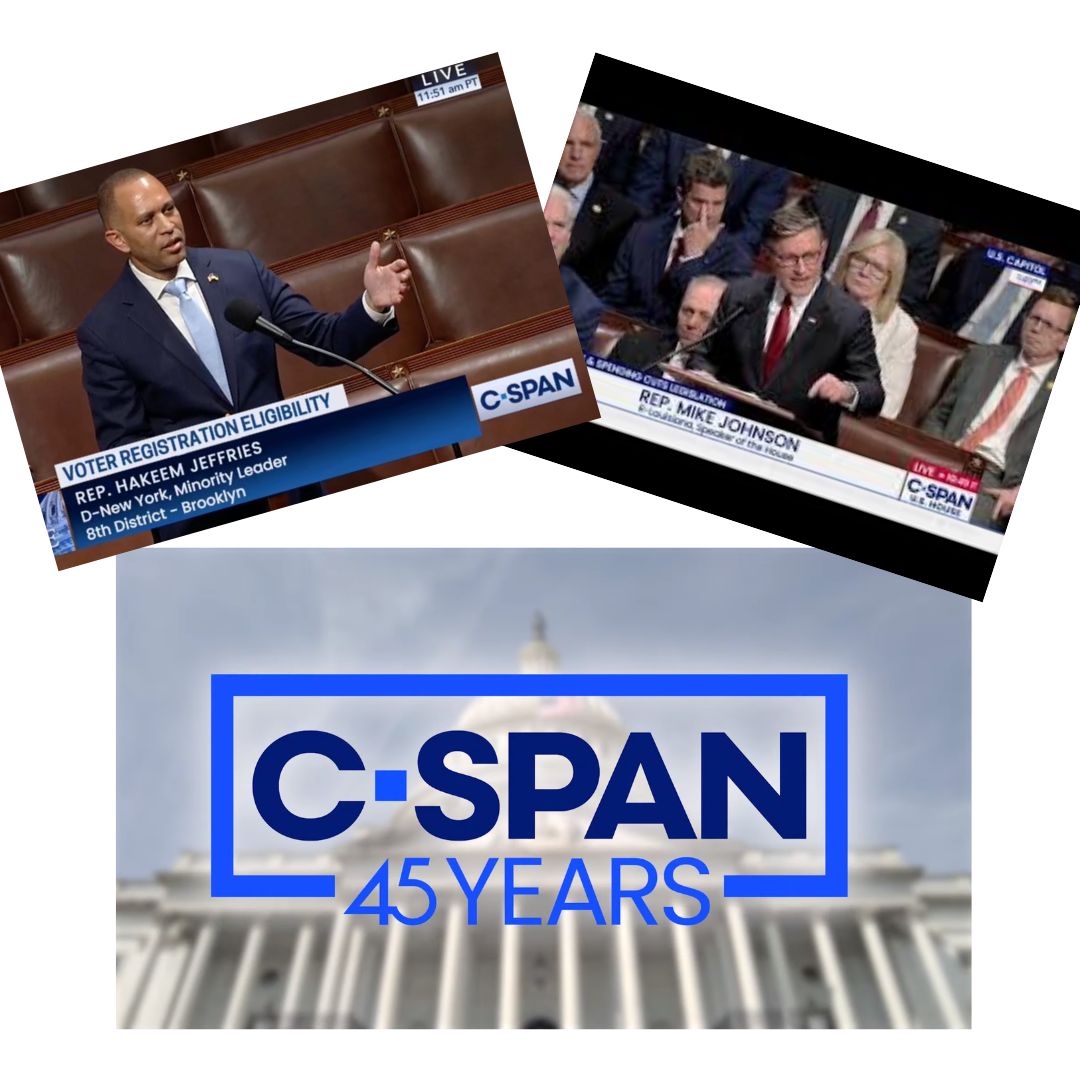
The House of Representatives began televising its sessions in 1979, and the Senate followed in 1986 with C-SPAN (a government operated television channel) coverage. Letting the people see how laws are made was seen as a way to improve public outreach and increase transparency. The expectation was that this would foster civic engagement, encourage better behavior from legislators, and enhance the legitimacy of government. In many ways, it worked. Americans could now see their representatives in action, and important Congressional events, such as impeachment hearings and the Iran Contra hearings, were viewable by the entire country. This helped lead to more dialogue and understanding around pertinent issues.
However, the camera does more than record; it alters behavior. Members of Congress, aware of their on-screen presence, often tailor their speeches not to persuade their colleagues, but to impress viewers back home or find sound bites and viral clips to increase their relevance. This shift turns deliberation into performance. In the modern social media sphere, the emphasis on short-form content incentivizes representatives to not deliberate but instead to grandstand. As philosophy professors Justin Tosi at Texas Tech University and Brandon Warmke of Bowling Green State University (2020) discuss in their book on the topic, grandstanding is “when you do or say something for the very purpose of impressing others with how righteous you are.”
This phenomenon is now common in Congress and makes achieving compromise more difficult, ultimately hurting the lawmaking process, and in turn, the American citizen. Only 34 bills were passed in 2023, the first year of the 118th Congressional session (which lasts 2 years), less than one bill per week. This was the lowest number of bills passed in the first year of a session since the Great Depression (LoCascio et al).
Moreover, broadcasting can deter informal negotiation. Some of the most productive legislative work happens behind closed doors—in committees, in hallway conversations, or over lunch. These moments of privacy allow lawmakers to speak candidly, compromise, and build trust across the aisle. When this deliberation is televised, it becomes more difficult to deliberate and evolve one’s position, as it can be seen as “losing” an argument, lacking backbone, and not staying true to your party.
Of course, these issues are not supposed to imply that the television of Senate proceedings should be outright banned. Americans should have the ability to know how their representatives are advocating for them and understand the legislative process. However, it is vital to recognize how media can affect the behavior of those lawmakers.
It is difficult to find balance between transparency and actually getting work done that helps America. From a cultural perspective, it is clear that our legislators should grandstand less and deliberate more. How to do so is more difficult. How do Americans incentivize our politicians to behave in their best interests? For starters, I believe that participating in deliberative sessions and putting into practice the deliberative dispositions in our own lives is a fantastic start. Without working with others ourselves, it is difficult to believe that the “other side” is ever willing to cooperate; it is difficult to believe that a middle ground ever exists. Knowing the benefits of deliberation firsthand will hopefully encourage constituents to demand the same out of our representatives, whether we voted for them or not.
LoCasio, Joe et al. 2024. 118th Congress on track to become one of the least productive in US history. ABC News. https://abcnews.go.com/Politics/118th-congress-track-become-productive-us-history/story?id=106254012
Tosi, Justin and Brandon Warmke. 2020. Why We ‘Grandstand’ and Why It Matters. Public Affairs Council. https://pac.org/impact/why-we-grandstand-and-why-it-matters