By Fatima Mukasa ’28 (DCI Fellow)
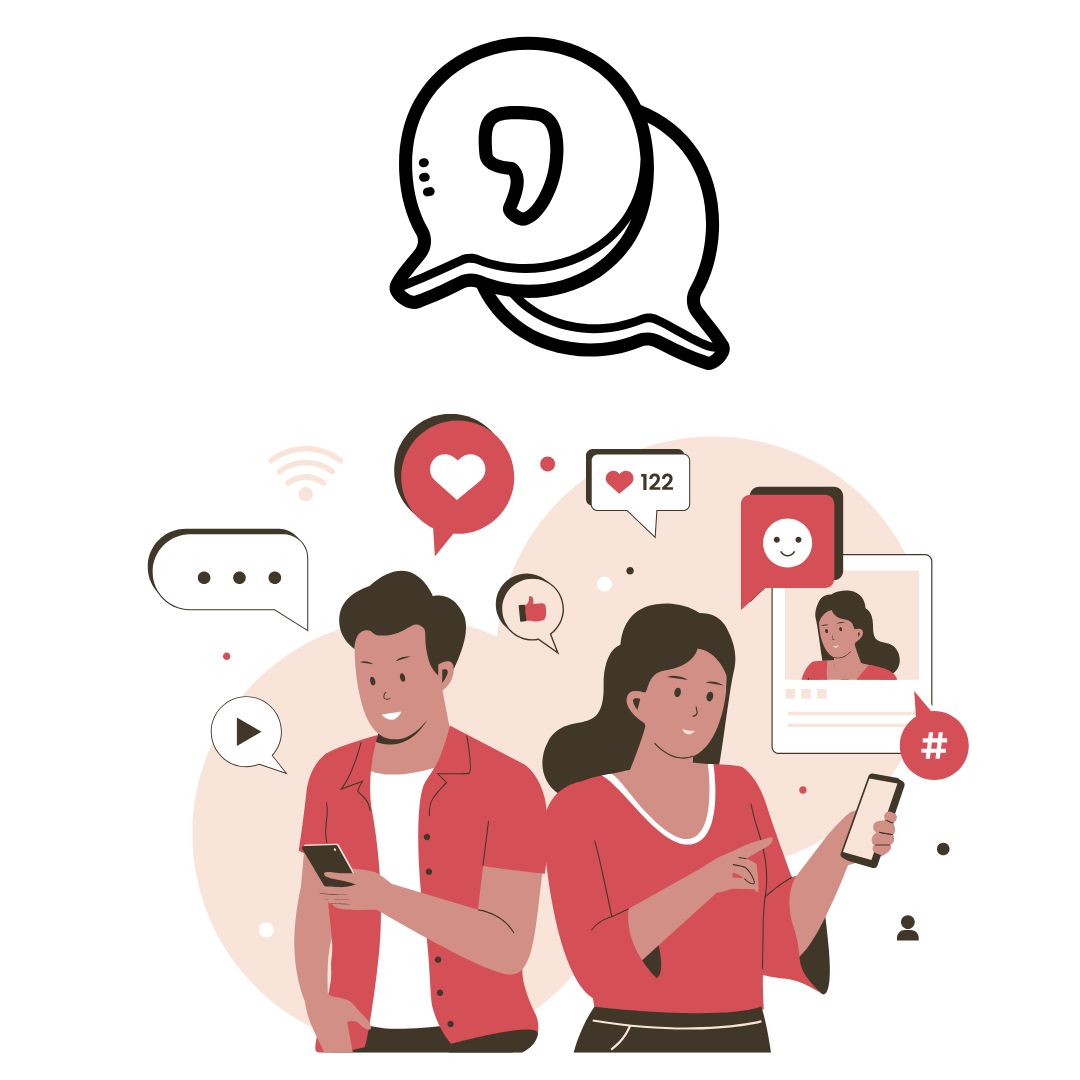
In a world where public squares are increasingly digital, social media has emerged as an unexpected but powerful arena for deliberative conversations. Whether it’s Twitter threads unpacking Supreme Court rulings, Instagram carousels about healthcare access, or TikTok explainers on climate justice, more and more people are using these platforms not just to post, but to engage. These virtual spaces are becoming hubs of public dialogue, where ideas are shared, arguments are formed, and calls to action are amplified. But this shift invites an important question: can platforms built for speed, entertainment, and algorithms truly foster meaningful deliberation?
To answer that, we must understand what deliberative conversations actually are. At their core, they are thoughtful, inclusive, and respectful exchanges of ideas that aim for collective understanding or decision-making. Historically, such conversations took place in town halls, classrooms, or structured forums, often led by professionals or policymakers. These spaces were formal, exclusive, and frequently inaccessible to those without institutional power or education. The voices that mattered most were typically those deemed authoritative.
Social media, by contrast, is chaotic, informal. Anyone with a smartphone and internet connection can enter the conversation. This has enabled everyday people to express perspectives that might never have made it into traditional deliberative settings. For example, the #BlackLivesMatter movement, which started as a grassroots response to police violence in the United States, gained global momentum largely due to its spread on platforms like Twitter, Instagram, and Facebook. Protest footage, personal testimonies, and educational posts helped spark international demonstrations and influenced public policy discussions. Similarly, conversations about mental health, gender identity, and political accountability have flourished on TikTok and YouTube, bringing nuance and urgency to issues that were once silenced.
However, these benefits don’t come without significant challenges. The same openness that allows everyone to speak also allows misinformation to spread unchecked. Non-experts with a community following can often be biased. Moreover, social media is prone to performative activism, where users share opinions or hashtags for attention rather than genuine engagement. This fosters shallow participation, while meaningful conversations are buried beneath outrage and viral trends. Polarization also intensifies as echo chambers form where users are only exposed to opinions that reinforce their existing beliefs.
So, how can social media be harnessed for better deliberation? One solution is to promote platforms that encourage structured dialogue, like Reddit’s r/ChangeMyView, where users are rewarded for changing their perspectives and for offering thoughtful dissent. These communities model what healthy online deliberation can look like, where curiosity beats contempt, and thoughtful reflection is prioritized over combative rebuttal.
Digital literacy must also be emphasized. Users need the tools to recognize misinformation, question sources, and resist the urge to accept everything they see at face value. Just as we teach students how to research and argue in a classroom, we must teach digital citizens how to participate responsibly in online debates.
Above all, intentionality matters. Deliberation isn’t just about talking—it’s about listening, processing, and being willing to be changed by what you hear. Whether you’re commenting on a post or adding your own post, consider: Am I opening space for understanding, or closing it down? The power of social media is undeniable, but whether it becomes a tool for real democratic engagement or just another space of noise depends on how we use it.
So let us use social media to expand our horizons and refuse to let ourselves be caught in echo chambers. In the next conversation you have online, do it with intentionality, really listening and trying to understand where a person is coming from. Some might say this is giving conversations unnecessary weight, but it is important to approach most conversations with a deliberation mindset. Social media can be our modern public square, but only if we treat it as one.